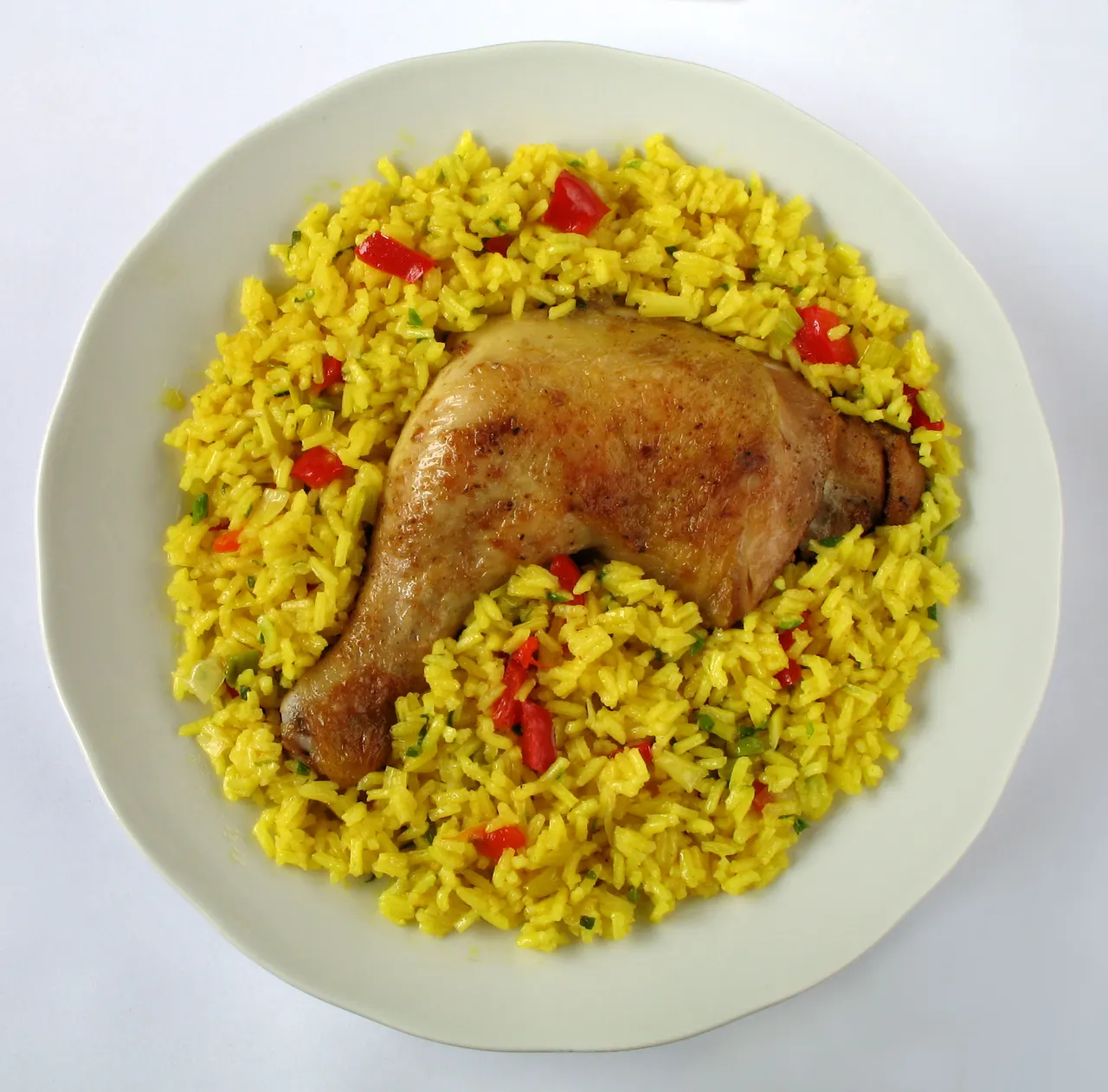
In a sun-drenched kitchen in Old Havana, the rhythmic clatter of a heavy mortar and pestle echoes against weathered tile walls. Garlic cloves, a pinch of coarse salt, and a single precious sprig of wild oregano are crushed into a fragrant paste—the foundation of a traditional mojo sauce being brought to life through memory and stubborn ingenuity. Outside, the tropical heat hangs thick over streets where classic cars rumble past, but inside this modest dining room, the focus is entirely on the plate. Here, everyday cooking is not merely about sustenance; it is a masterclass in adaptation, turning sparse pantries into vibrant celebrations of heritage.
A Tapestry of Global Influences
To understand the soul of Cuban food is to understand the island’s history as a crossroads of the world. Cuban cuisine is largely based on Spanish cuisine, inherited from colonial times when Cuba served as an indispensable port for trade. Spanish settlers brought the culinary traditions of various Iberian regions, laying the groundwork for many of the island's foundational stews and roasting techniques. Yet, this European base was forever altered by the deep contributions of Amerindian, African, and other Caribbean cultures, creating a complex blend of spice, technique, and flavor.
In Havana and its surrounding neighborhoods, subtle layers of other migrations can also be tasted. A small but noteworthy Chinese influence remains evident, a legacy of nineteenth-century contract laborers who introduced unique stir-frying methods and vegetables to the urban landscape. Italian culinary touches, too, drifted into the local palate over time. The result is a uniquely layered gastronomy where Taíno root vegetables, African plantains, Spanish sofritos, and Caribbean spices coexist on a single table.
The Rise of the Paladar
For decades, navigating the realities of economic scarcity meant that home cooks had to rely on extraordinary creativity to keep these complex traditions alive. Out of this necessity grew the paladar—a small, family-run restaurant whose name derives from the Spanish word for "palate." Operating as a warm counterpart to state-run establishments, these intimate venues originally opened inside private living rooms and leafy courtyards, offering travelers and locals alike a more vivid interaction with authentic Cuban reality.

Named after the Spanish word for "palate," the family-run paladar emerged as an intimate alternative to state dining, transforming private homes into hubs of authentic, homemade Cuban cuisine.
In a private paladar, dining feels less like a commercial transaction and more like an invitation into a family's history. Chefs at these establishments frequently redesign traditional menus on the fly based on what the morning market yields. If traditional beef for ropa vieja is unavailable, pork or slow-simmered shredded oyster mushrooms take its place, seasoned so skillfully with garlic and cumin that the dish loses none of its soulful depth. This spirit of reinvention has captured global curiosity; a recent video tour exploring the island's unique food ecosystem has drawn over 12.6 million views, reflecting a growing international fascination with how Cubans preserve their heritage against all odds.
Ingenuity as an Ingredient
The resilience found in private kitchens is equally evident in everyday homes across the archipelago. The culture of Cuba has always been a complex mixture of different, often contradicting factors and influences, and its modern foodways mirror this social adaptability. When standard ingredients are out of reach, Cuban home cooks deploy clever substitutes: using citrus juices like bitter orange to stretch marinades, or repurposing cooked black beans and rice into the iconic, comforting staple of moros y cristianos.

Root vegetables—such as yuca, malanga, and sweet potato—take center stage, boiled until tender and doused in sizzling garlic oils. Plantains are transformed into savory, double-fried tostones or sweet, caramelized maduros, proving that a single humble ingredient can yield an entire spectrum of textures and flavors. Every meal becomes an exercise in respect for the land and the ancestors who first blended these disparate culinary traditions.
Preserving Flavor for Future Generations
Today, the private paladares of Havana, Trinidad, and Viñales are recognized not just as places to eat, but as essential cultural guardians. By bridging the gap between old-world recipes and contemporary necessity, the cooks behind these tables ensure that centuries of European, African, and Amerindian heritage are not forgotten. They demonstrate that true culinary brilliance relies less on abundance and far more on knowledge, passion, and the human spirit.
As night falls over the Malecón, the soft hum of conversation inside a neighborhood paladar grows warm and bright. Plates of fragrant rice, slow-roasted pork, and sweet plantains are passed from hand to hand. In every bite lies the story of an island that has mastered the art of transformation, turning economic challenge into an enduring, delicious art form.