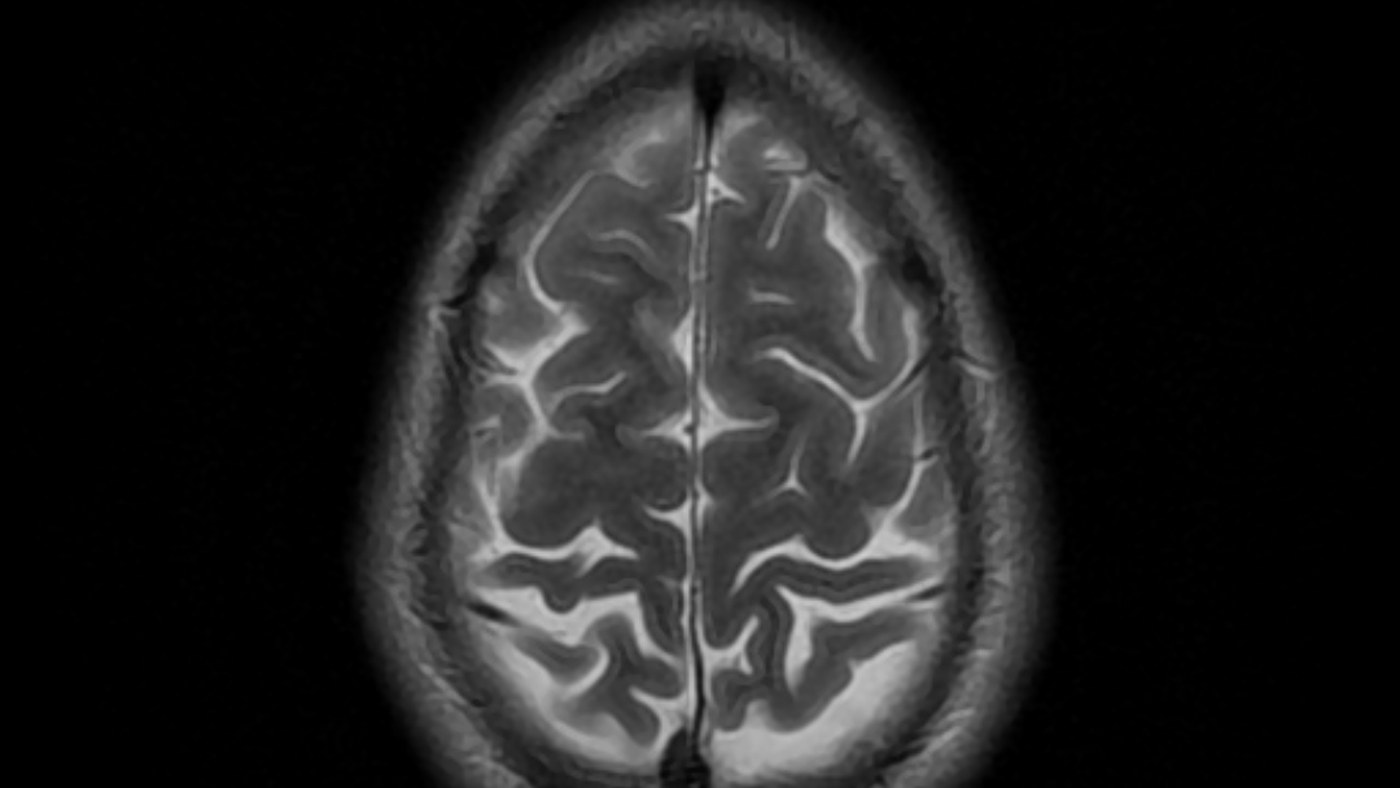
An arm suddenly goes heavy. A face droops to one side. Speech becomes slurred. In the emergency room, the stroke protocol is activated, an MRI is performed, and the blood vessels are scanned. The results come back clean. In that moment, many patients hear the same devastating sentence: we found nothing organic. Sometimes, that phrase brings relief. Other times, it leaves a darker suspicion: am I making this up?
Functional Neurological Disorder, or FND, resides exactly in this gap. The brain's wiring is intact, but the timing and network of the signal have faltered. The symptoms are real and involuntary. Yet, they often leave no trace on conventional medical imaging.1
- Clear MRIs often lead to accusations of malingering, but FND represents a distinct diagnostic gap.
- Diagnosis is now based on positive clinical findings rather than the mere absence of other diseases.
- Evidence distinguishing FND from feigned symptoms is rooted in physiological data, not just patient testimony.
- Delayed diagnosis and societal stigma significantly impede the multidisciplinary recovery process.
What is the difference between structural and functional neurological disorders?
In neurology, two distinct languages coexist. The structural language looks for visible damage, such as a stroke, a tumor, or the plaques associated with multiple sclerosis. The functional language describes a malfunction in the networks governing movement, sensation, or consciousness. A 2022 review in The Lancet Neurology frames FND as the manifestation of real motor, sensory, or cognitive changes that align with recognized nervous system patterns and show variable performance within and between tasks.1
Outdated terminology, such as conversion disorder, hysteria, or psychogenic illness, previously clouded this reality. These terms often implied that the condition was "all in the mind." In the DSM-5, the condition is categorized as functional neurological symptom disorder, while neurologists typically refer to it as FND. The crucial shift is that diagnosis is reached not by ruling out other conditions, but by identifying positive clinical findings. A patient may present with different symptoms over time: a functional seizure in one phase, followed by gait disturbance, dizziness, or cognitive fog. Researchers like Mark Hallett view these not as separate diseases, but as variants of the same interface disruption.1
Is functional neurological disorder merely a case of feigning or malingering?
The most damaging misconception about the condition is that it involves intentional deception. Edwards, Yogarajah, and Stone, writing in Nature Reviews Neurology, established a framework arguing that FND is fundamentally different from malingering. The evidence extends beyond patient self-reports. Functional imaging and electrophysiology reveal activity patterns distinct from those of intentional simulation. In FND, the limbic system may show hyperactivity, and the networks providing the sense of agency—the feeling that "I did this"—can become impaired. Viewed through the lens of predictive coding, the brain constantly generates predictions; in FND, those internal predictions override the reality of the actual movement.2
In clinical practice, the Hoover sign is a classic example of this phenomenon. In cases of functional leg weakness, if a patient is asked to lift their healthy leg, the supposedly weak hip on the affected side may move with unexpected strength. This does not mean the muscle is absent; it illustrates a mismatch between a voluntary command and an automatic movement. The patient is not "faking" the weakness; the inconsistency is a measurable feature of the network.4 A similar logic applies to tremors, gait issues, and speech disorders: the symptom often softens when the patient is distracted and intensifies when they focus on it. This variability is not a sign of triviality; it is a positive clinical marker for diagnosis.
How common is FND and who is at risk?
FND can occur at any age, from childhood to late adulthood. While it is more frequently reported in women, typically between 60 and 80 percent of cases in various series, its prevalence is significant. A systematic review published in JNNP places the incidence at 10 to 22 per 100,000, with a lower bound prevalence of 80 to 140 per 100,000. It accounts for approximately 5 to 15 percent of neurology clinic visits.3

Risk factors do not fit a single narrative. While childhood neglect and recent stress or trauma are common, more than half of patients in many studies report no clear psychological trigger. Physical injury, migraine attacks, epilepsy, or other neurological diseases can also trigger FND. Therefore, the simplistic division of "psychological equals FND" does not hold up to clinical reality. Fatigue and pain often degrade quality of life more than motor symptoms, and while comorbid depression and anxiety are common, they are not specific "evidence" of FND, as these conditions are frequently seen in patients with MS or epilepsy.1
What treatments are effective for functional neurological disorder?
As the diagnosis becomes clearer, treatment strategies are becoming more concrete. Current evidence supports personalized, multidisciplinary approaches. Rather than ignoring symptoms, physical therapy aims to retrain movement, helping patients redirect their attention away from the symptom to encourage the return of automatic function. Psychological therapies help patients understand how fear, avoidance, and hyper-focus can amplify symptoms. For functional seizures often mistaken for epilepsy, video-EEG can be transformative for both diagnosis and patient confidence. The way the diagnosis is explained is also a critical part of treatment. Framing the issue as a "software glitch" in the brain rather than a "clean MRI" result can be the key to opening the door to recovery.1
However, the reality remains that not everyone recovers at the same pace. Delayed diagnosis, stigma, and the use of inappropriate medications or unnecessary surgeries can prolong the condition. Access to specialized care is also inconsistent. Nevertheless, the framework has shifted: FND is no longer an unexplained anomaly, but a recognized clinical syndrome currently under intensive study.
Notes and Sources
- Hallett M, Aybek S, Dworetzky BA, et al. Functional neurological disorder: new subtypes and shared mechanisms. Lancet Neurol. 2022;21(6):537-550.
- Edwards MJ, Yogarajah M, Stone J. Why functional neurological disorder is not feigning or malingering. Nat Rev Neurol. 2023;19:246-256.
- Villagrán A, et al. Incidence and prevalence of functional neurological disorder: a systematic review. J Neurol Neurosurg Psychiatry. 2025.
- Hoover CF. A new sign for the detection of malingering and functional paresis of the lower extremities. JAMA. 1908;51:746-747.