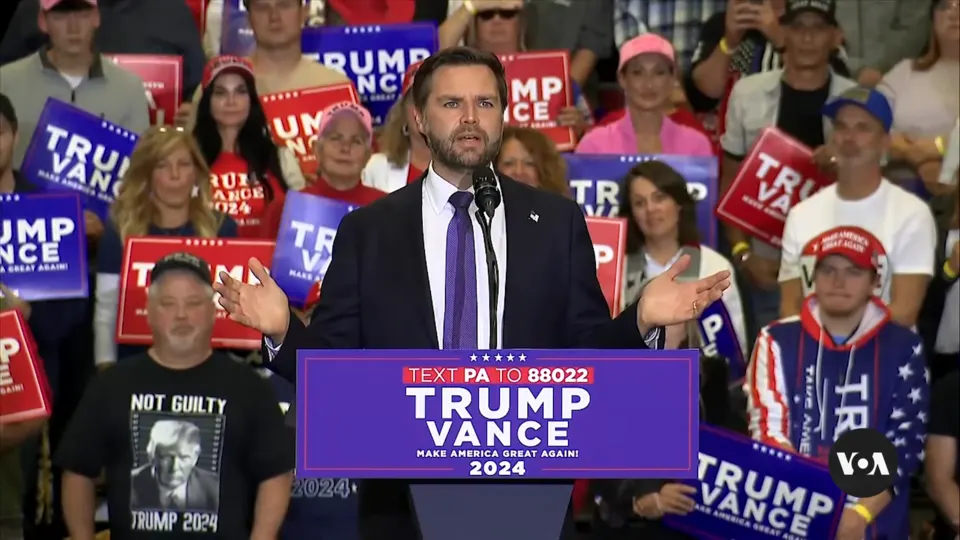
Vice President J.D. Vance is reconsidering his path toward a 2028 presidential run as the Republican party navigates the fallout from a disappointing midterm election performance. The electoral rout has prompted senior Republicans to re-evaluate their long-term strategies, with Vance seeking to distinguish his political brand from that of former President Donald Trump, according to reporting from Reuters and the Deccan Chronicle. This domestic shift comes at a time when the United States is witnessing a significant reorganization within the White House and broader political instability that has drawn international attention.
How is the White House leadership changing?
The Republican electoral losses have triggered an immediate administrative turnover, beginning with the departure of Chief of Staff Susie Wiles. In a move described by The New York Times as an elevation of a fiery hard-liner, President Trump has named Stephen Miller as the new White House Chief of Staff. Reports from Axios and other outlets indicate this is the first of several expected departures within the administration, as President Trump signaled his intent to implement staff changes following the midterms. The exit of Wiles, who was seen as a bridge to big business interests, signals a potential move toward a more confrontational governance style, according to The Washington Post.
What are the implications for the 2028 election?
The 2028 presidential race has been thrown into flux, with both parties assessing the changing landscape of American leadership. While Democrats are currently viewed by some analysts as early favorites, the Republican field remains wide open, according to data from Kalshi News. Key figures such as Florida Governor Ron DeSantis are reportedly eyeing their own potential campaigns for the nomination, positioning themselves as competitors to Vance should he move forward. The instability has led to a broader reassessment of the party’s future, with international observers, including the Korean-language outlet Chosun Ilbo, noting that the historic defeat has widened the contest for the next Republican standard-bearer.

President Trump has begun a post-midterm purge of his senior staff, resulting in the high-profile departure of Chief of Staff Susie Wiles and the immediate promotion of Stephen Miller to lead the White House.
The shifting political environment has also had human consequences, with reports from The New York Times highlighting that even high-level professionals, such as a prominent astrophysicist, have chosen to leave the United States due to the impact of current administration policies on their work. As the Republican party looks to move past the midterm results, the internal discord and the pressure to distance themselves from the current administration's failures present a significant hurdle for potential 2028 contenders.
How is J.D. Vance managing the aftermath?
Vice President J.D. Vance is currently attempting to define his own political identity separate from the Trump administration to salvage his viability for 2028, though critics such as Michael Goodwin in the New York Post have argued that such efforts may be perceived as a betrayal. The internal debate among Republican strategists is whether a departure from the party’s current trajectory is necessary to win back voters. As reporting from the Washington Examiner notes, every potential 2028 hopeful is now forced to grapple with the recent election results, which have fundamentally altered the calculus for anyone seeking to lead the Republican ticket in four years.