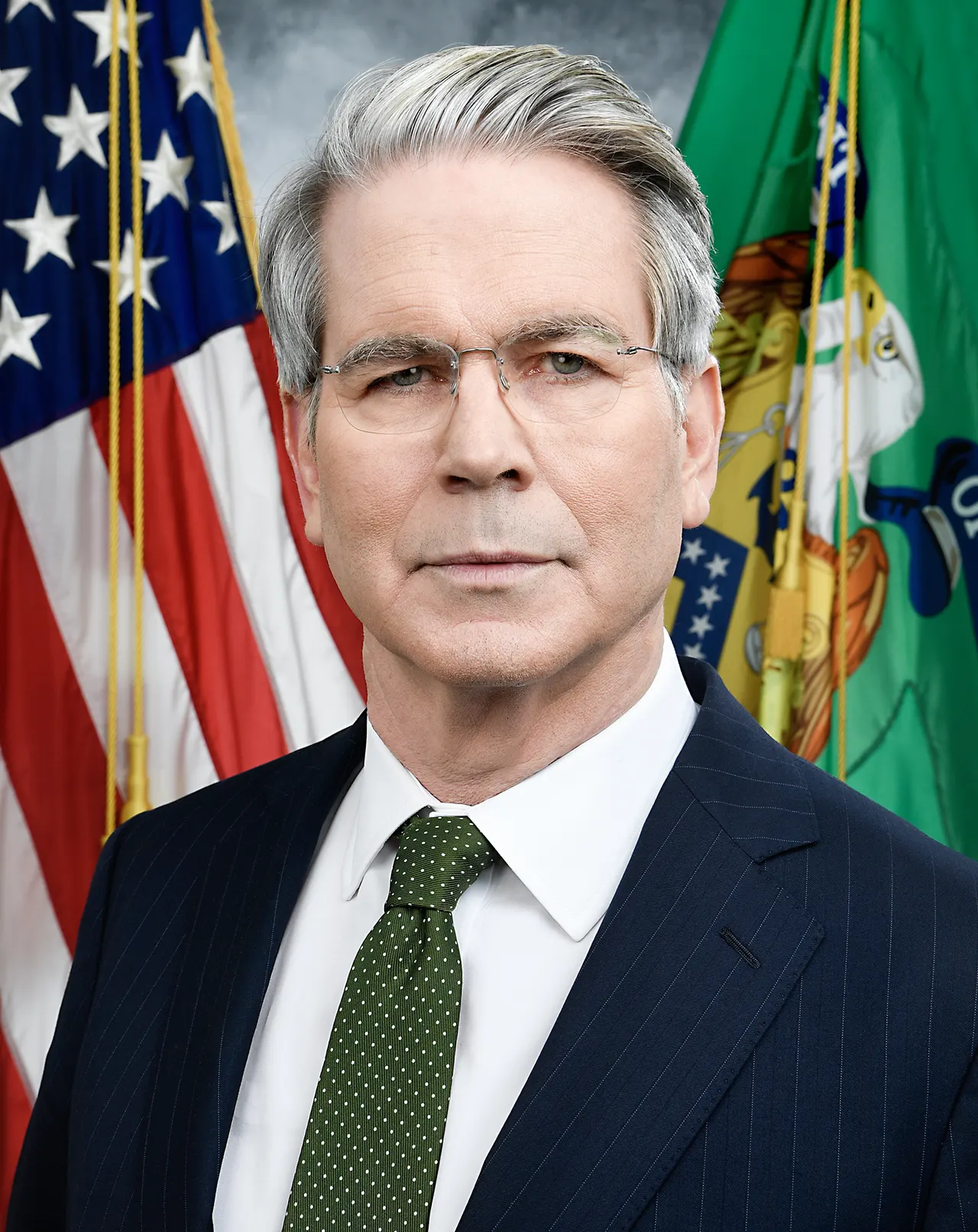
U.S. Treasury Secretary Scott Bessent stated on Friday that the Department of Commerce, led by Howard Lutnick, has stalled for months on placing Singapore-based Megaspeed International on the government's export control entity list, a move that would have restricted the firm's access to sensitive American artificial intelligence technology. The public rebuke arrives at a time of significant administration turbulence following the recent resignation of Nvidia CEO Jensen Huang, amid allegations that Megaspeed circumvented national export bans to funnel advanced Nvidia chips to Chinese entities. While other major federal agencies supported the immediate blacklisting of Megaspeed, Bessent emphasized that the Commerce Department maintains exclusive authority over the implementation of such trade sanctions.
Why the friction exists between Treasury and Commerce
The core of the dispute involves the U.S. government's efforts to prevent advanced artificial intelligence chips from reaching China, a goal President Donald Trump has prioritized as a pillar of national security. Bessent, speaking on CNBC, disclosed that his own department, alongside the Pentagon, the State Department, and the Office of the U.S. Trade Representative, had reached a consensus months ago that Megaspeed posed a significant risk and deserved to be placed on the entity list. Despite this interagency alignment, the Department of Commerce has not acted. Bessent noted that because the Commerce Department possesses the regulatory power, or "the pen," over these specific trade controls, other agencies are currently powerless to expedite the blacklisting process. The Treasury Secretary expressed his frustration, stating that any diversion of these high-end chips to China undermines the competitive advantage of American technology firms and compromises the effectiveness of official U.S. export policies.

"I am frustrated when President Trump made it very clear that China should not receive any Nvidia chips above H100s," Bessent said, noting that any unauthorized leakage of these goods harms American industry and aids foreign competitors.
The role of the Megaspeed scandal in the Nvidia fallout
The scrutiny on Megaspeed intensified dramatically following revelations regarding former Nvidia CEO Jensen Huang. Reports have surfaced indicating that Huang was involved in an affair with a Megaspeed executive named Alice Huang, who is currently suspected by U.S. authorities of having intelligence links to China. This relationship has become a central point of the recent corporate and political scandal. Although senior members of the Trump administration, including Howard Lutnick, were reportedly briefed months ago about the professional and personal connections between the Nvidia leader and the Megaspeed executive, no decisive action was taken to restrict the Singapore-based firm. Critics, including GOP Senator Jim Banks of Indiana, have suggested that the Commerce Department may have utilized regulatory loopholes to permit ongoing sales, despite directives from the White House to halt such transactions. The situation has prompted a broader conversation regarding the influence of corporate relationships on government decision-making, with Lutnick facing criticism for his alleged personal ties to the former Nvidia CEO.

What happens next for the administration and industry?
The political future of Commerce Secretary Howard Lutnick remains a subject of intense debate among Trump’s advisors. According to sources cited by CNN, administration officials have begun internal discussions regarding a potential ouster for Lutnick, though the White House has publicly affirmed its confidence in him, describing him as a transformative figure in the current administration. To address the legislative concerns stemming from the scandal, Lutnick has agreed to provide testimony before the Senate Banking Committee on December 10, 2026. What remains unclear is whether the Commerce Department will now proceed with blacklisting Megaspeed or if further internal audits will be required before any official designation occurs. While Treasury officials have confirmed they pushed for the sanctions, the specific reasons behind the Commerce Department's months-long delay remain officially undisclosed, leaving observers to wait for the upcoming congressional testimony to gain clarity on the agency's internal processes and the future of U.S. chip export protocols.
Sources: This report draws on coverage by CNN, Anadolu Ajansı, Financial Times, CBS News, KTVN, Bloomberg.com, Reuters, The Times of Israel. The wording is our own.