A Silicon Valley Titan Topples
Jensen Huang, the celebrated CEO of Nvidia, abruptly resigned on Thursday following revelations of an alleged extramarital affair with a woman U.S. officials believe to be a Chinese spy. The scandal has triggered a political firestorm, with Huang now summoned to testify before Congress and Commerce Secretary Howard Lutnick facing intense pressure over allegations that his department delayed blacklisting the mysterious company tied to the affair, Megaspeed. As Nvidia shares slide and the White House navigates the fallout, the incident has exposed deep vulnerabilities in the AI industry’s security, raising urgent questions about how intimate relationships are being weaponized to bypass critical U.S. export controls.
To understand why a private romance has become a national security crisis, you have to go back to the enduring and often dark history of 'honey trap' espionage—a tactic as old as statecraft itself, now finding new, high-tech life in the heart of the U.S.-China tech rivalry.
The Long Game of Intimate Espionage
A honey trap involves using romantic or sexual relationships to gain access to an individual who possesses sensitive information or influence. Throughout history, the goal remains the same: leverage human desire to bypass the technical firewalls that organizations—and nations—erect to protect their most valuable secrets. In the context of modern espionage, this is rarely about a single document; it is a long game of cultivating access and trust that can persist for years.
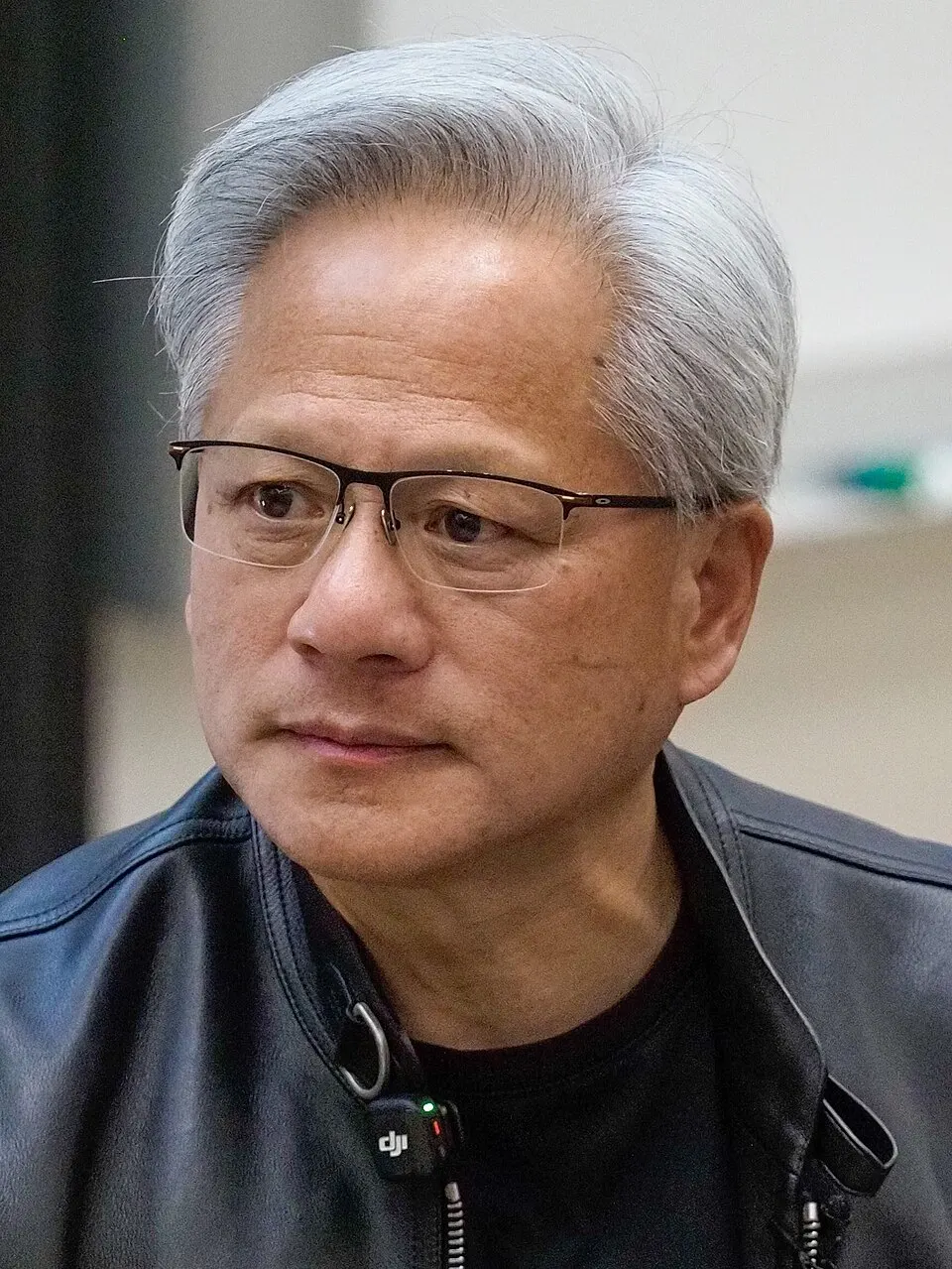
The revelations surrounding Jensen Huang, who resigned from Nvidia over extramarital affairs, inspired social media posts using the very technology his company helped develop.
In the mid-20th century, the rise of the semiconductor industry transformed the global landscape. Following the invention of the transistor at Bell Labs in 1948 and the subsequent development of the integrated circuit by Jack Kilby and Robert Noyce, companies like Fairchild Semiconductor and Texas Instruments catalyzed an era of exponential growth. As these devices became the bedrock of both consumer electronics and military capability, the industry became the most targeted sector for industrial espionage. The strategic value of these chips meant that anyone holding the keys to the fabrication process or the distribution channels became a prime target for foreign intelligence agencies looking to leapfrog their own technological deficiencies.

Technology as the New Frontline
For decades, the semiconductor industry has boasted the highest intensity of research and development globally. Because of this massive investment, the industry has long been a theater for the kind of 'honey pot' operations that have now claimed the head of one of the world's most valuable companies. The current investigation into Alice Huang, the former director of Megaspeed, highlights a sophisticated, contemporary iteration of these tactics. By embedding themselves within the lives of those who hold the keys to A.I. advancements, foreign actors seek not just to steal data, but to influence corporate policy and national export regulations from the inside.
The pressure on Howard Lutnick and the Department of Commerce reflects the broader difficulty of balancing trade and security in an era of globalization. When economic titans become the personal targets of state-sponsored intelligence, the traditional lines between a company’s board room and the nation’s intelligence apparatus blur. The case of Megaspeed, a company whose true nature remains frustratingly opaque even as its footprint in the scandal expands, shows how difficult it is for regulators to track entities that operate in the shadows of the global supply chain.
The Shadow of What Comes Next
History suggests that when an industry leader falls due to foreign intelligence penetration, the response is rarely surgical. We are already seeing the early stages: calls for more aggressive blacklisting, the resignation of corporate leadership, and a scramble by the White House to demonstrate control. As Donald Trump publicly floats the idea of bringing in leaders like Tim Cook to steady the ship, the focus will likely shift toward an era of hyper-secrecy and heightened vetting within the tech sector.

Yet, the fundamental vulnerability—the human element—remains. If the past is any guide, this scandal will lead to a period of institutional retrenchment. As the rivalry between the U.S. and China continues to escalate, the semiconductor industry will likely find itself under the same kind of scrutiny usually reserved for defense contractors. For now, the fall of Jensen Huang serves as a stark warning: in the high-stakes game of global technology, the most dangerous security breach is often the one that begins with a personal connection.
Sources: This report draws on coverage by The New York Times, The Guardian, BBC News, TIME, CNBC, The Motley Fool. The wording is our own.