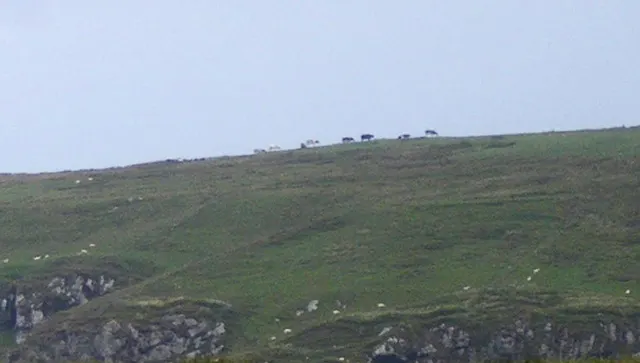
Located in the Bristol Channel between Wales and England, the island of Lundy has transitioned from a rugged outpost into a global reference point for nature-positive conservation. According to recent reports from Mongabay, the island represents a successful 'deal with nature,' where intentional ecological restoration has triggered a dramatic comeback for local wildlife. This shift highlights a broader movement in conservation biology to move beyond mere preservation toward active, science-led recovery.
The Mechanics of a Conservation Comeback
Lundy’s success is rooted in the principles of rewilding—a form of ecological restoration that aims to increase biodiversity by restoring natural processes and reducing human influence. Unlike traditional conservation, which often focuses on maintaining a specific historical state, Lundy’s approach has been open to emerging ecosystems. This flexibility has allowed for the return of thousands of seabirds and the stabilization of native habitats that were previously under threat.
Researchers reported that Lundy is now one of the UK’s most pioneering conservation stories, specifically citing the return of thousands of species as evidence of a successful long-term ecological deal.
The core of the Lundy model involves addressing the primary drivers of biodiversity loss. By managing invasive pressures and protecting the surrounding maritime environment, the island has created a sanctuary where biotic interactions can resume without excessive human interference. Recent analysis suggests that these interventions have allowed the island to function as a natural laboratory for what is possible when ecosystems are given the space to self-regulate.
Evidence of Success and Biodiversity Gains
The numbers supporting Lundy’s recovery provide a factual basis for optimism in the field of conservation biology. While uncertainty often surrounds the long-term viability of small-island ecosystems, the evidence from Lundy indicates a robust upward trend in species occupancy. Key indicators of this success include:

- Seabird Recovery: Significant increases in populations of puffins and Manx shearwaters following the removal of non-native predators.
- Habitat Resilience: The recovery of maritime grasslands and heathlands that support rare endemic flora.
- Marine Protection: The integration of terrestrial restoration with the UK's first statutory Marine Nature Reserve, protecting the waters surrounding the island.
The Path Forward: A Blueprint for Rewilding
The implications of the Lundy model extend far beyond the Bristol Channel. As the world faces accelerating rates of extinction, the success of this tiny island offers a scalable framework for other coastal and island territories. The solution lies in a multi-disciplinary approach that draws on both natural and social sciences to manage natural resources effectively.
What happens next for Lundy involves the continued monitoring of these novel ecosystems. Scientists are observing how new species interactions develop as the climate shifts, ensuring that the 'deal with nature' remains flexible. By prioritizing the recovery of geographically specific ecological interactions, Lundy serves as a proof of concept: that even in a human-dominated landscape, nature-positive outcomes are achievable through dedicated, evidence-based restoration.
Sources: This report draws on coverage by Mongabay. The wording is our own.