Mexico’s annual headline inflation accelerated to 3.75% in October, marking the third consecutive monthly increase and surpassing analyst expectations as food prices placed significant pressure on the national economy. This latest reading follows a monthly increase of 0.65%, which outpaced the 0.55% forecast widely anticipated by market participants. As the country navigates these cost-of-living pressures, the figures have placed renewed focus on the monetary policy trajectory of the central bank, Banco de México (Banxico), which manages interest rates to maintain price stability.
What factors are driving the recent rise in consumer costs?
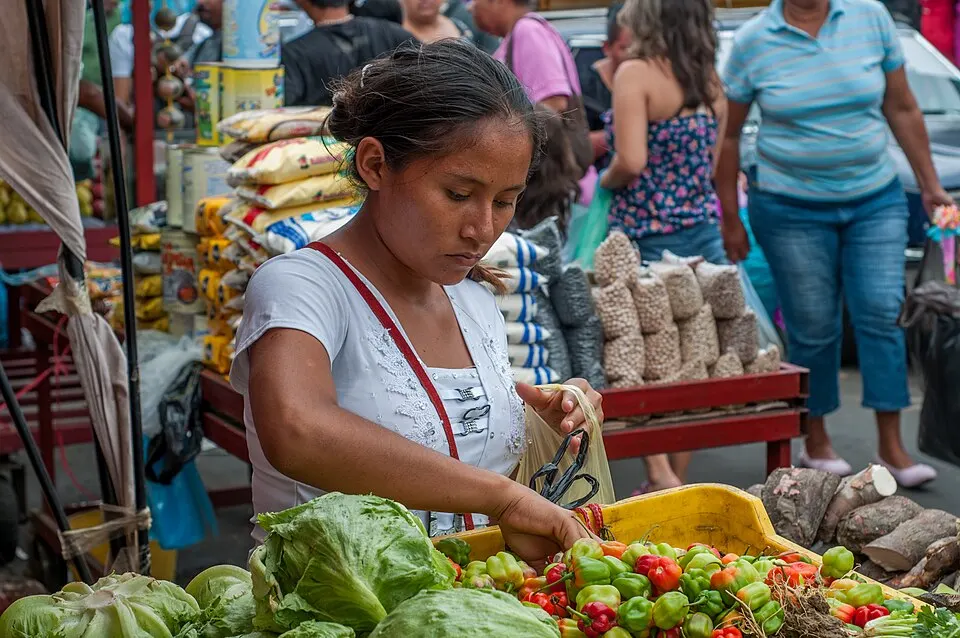
The increase in Mexican consumer prices is largely attributed to volatility in agricultural goods, specifically sharp spikes in the cost of certain vegetables. According to reporting from El Financiero, the price of green tomatoes has soared, exerting notable upward pressure on the consumer price index. While headline inflation has risen, some market observers emphasize that the rate remains within the broader operational parameters set by authorities. Simultaneously, industrial data suggests that changes in consumption habits, such as an increase in meat consumption driven by wage growth and government social support programs, are contributing to a dynamic demand environment for producers.

Mexico’s headline inflation climbed to 3.75% in October, marking the third consecutive month of acceleration and exceeding the 0.55% monthly growth forecast.
Why is this data critical for the Mexican economy?
The acceleration of inflation is a central concern for Mexican policymakers and international investors because it dictates the future path of interest rates and economic growth. As a key domestic metric, these numbers are closely watched to determine if current monetary policy is sufficient to tether inflation to official targets. The performance of the Mexican economy occurs against a complex global backdrop, where countries like China have experienced significant fluctuations in factory-gate pricing, and the United States continues to calibrate its own labor market and inflation readings. For international observers, Mexico's economic health serves as a critical indicator of regional stability and emerging market resilience.

What is the significance of the central bank's policy focus?
The role of Banco de México is pivotal, as the institution must balance the need to curb rising costs against the desire to avoid stifling domestic consumption. With inflation consistently trending upward over the past quarter, the central bank faces pressure to maintain a restrictive policy stance if price stability is threatened. Although the current inflation rate of 3.75% is viewed by some analysts as remaining within a manageable range, the persistent trend of the last three months keeps domestic financial markets in a state of alert. Future decisions by the central bank will likely depend on whether these supply-side shocks, such as the rising costs of produce, stabilize in the coming months or if they permeate deeper into the broader economy through core inflation metrics.