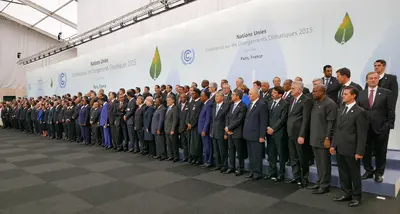
As the 31st United Nations Climate Change Conference (COP31) enters its third day in Antalya, Turkey, the ocean has emerged as a central pillar of the diplomatic agenda. Historically marginalized in climate negotiations, marine ecosystems are now being framed as essential tools for carbon sequestration and climate resilience. The talks, which opened under a cloud of geopolitical tension and record-breaking ocean temperatures, are currently focused on integrating ocean-based solutions into the implementation of the Paris Agreement.
A Roadmap for the Blue Economy
Central to the discussions in Antalya is the growing push for a formal "ocean roadmap." According to reports from Climate Home News and UA.NEWS, countries are advancing a plan designed to ensure that ocean-based climate action informs the next Global Stocktake in 2028. This roadmap aims to bridge the gap between scientific observation and national commitments. Researchers from UC San Diego and Ifremer have arrived in Antalya to present evidence that the ocean's role as a heat sink is reaching critical thresholds, requiring more precise policy integration.
The economic stakes of this transition are significant. A Zero Carbon Analytics report indicates that while tracked investment in the blue economy has more than doubled over the last decade to USD 9.8 billion, this remains a fraction of the necessary funding. Current estimates suggest that USD 550 billion is needed annually to fully leverage marine-based climate solutions and protect coastal communities from rising sea levels.
"Carbon Brief analysis and recent reports from the field indicate that 1.5C is increasingly viewed not just as a temperature target, but as an 'ocean fight' for the survival of Pacific Island nations."
Protecting Vulnerable Coastlines and Ecosystems
The urgency of these talks is underscored by the immediate threats facing coastal regions. In Nigeria, the head of the Ondo State Oil Producing Areas Development Commission (OSOPADEC) has called for $50 million in urgent funding to save communities from devastating ocean surges. This reflects a broader trend at COP31 where developing nations are demanding that loss and damage mechanisms account for marine degradation.

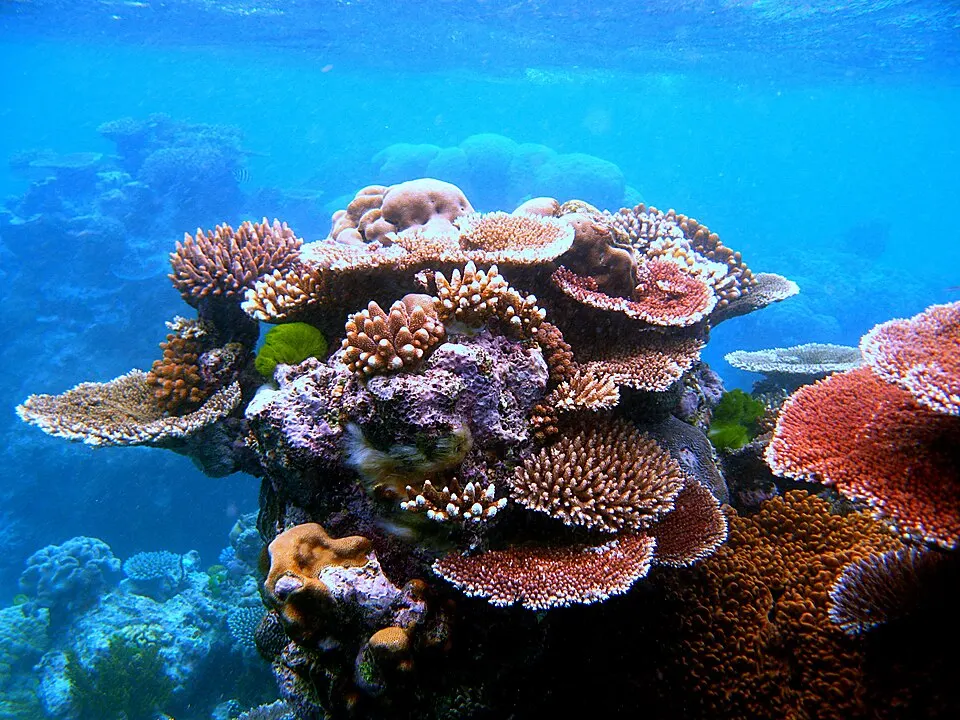
For the Pacific Islands, the stakes of ocean acidification and warming are existential. As atmospheric CO2 levels exceed 422 ppm, the average pH of the ocean surface has dropped from 8.15 to 8.05 since 1950. This chemical shift threatens the coral reefs that provide natural storm barriers and food security for millions. In response, a new Pacific ocean initiative was launched this week to strengthen regional marine protection and demand firmer national commitments from major emitters.
Emerging Technologies and Marine Governance
The conference is also grappling with the controversial rise of the geoengineering industry. New guidelines released this week put a spotlight on attempts to manipulate the ocean for carbon removal. While proponents argue that such measures are necessary to counteract the climate crisis, critics and environmental groups like Fauna & Flora urge caution, citing the need for rigorous research before large-scale implementation.
Key focus areas for the remainder of COP31 include:

- The establishment of more robust Marine Protected Areas (MPAs) to revive fish stocks and enhance biodiversity resilience.
- Finalizing the 2028 ocean roadmap to ensure marine science is hardwired into future UN climate assessments.
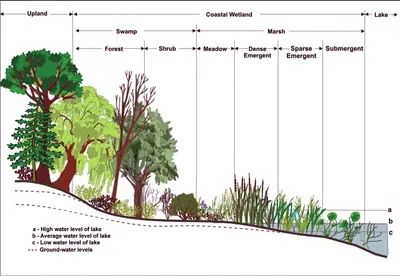
- Securing financing for nature-based solutions, such as seagrass and mangrove restoration, which can sequester carbon more efficiently than terrestrial forests.
- Addressing the looming threat of El Niño, which researchers warn will exacerbate record ocean heat and complicate climate finance negotiations.
As negotiations continue, the goal remains clear: transforming the ocean from a victim of warming into a proactive part of the solution. Whether the Antalya talks can deliver the necessary finance and policy frameworks to achieve this will be the defining question of the coming days.
Sources: This report draws on coverage by The Guardian Environment, Climate Home News, Ifremer, Dialogue Earth, Islands Business, Facebook, UA.NEWS, THISDAYLIVE. The wording is our own.