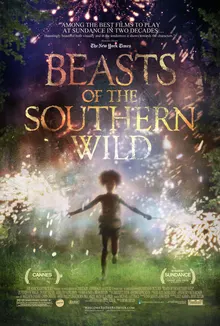
Ray Tintori, a highly influential director and screenwriter known for his work on the Oscar-nominated film Beasts of the Southern Wild and iconic music videos for MGMT, has died at the age of 43 in New York City. Local authorities confirmed his passing on Monday, November 16, 2026, noting that the city's medical examiner has opened an investigation into the circumstances of his death. Tintori, who rose to prominence through the Court 13 filmmaking collective, was a prolific creator whose career spanned independent shorts, virtual reality sports documentaries, and major feature film collaborations.
What is known about the investigation into Tintori’s death?
The New York City Office of Chief Medical Examiner is currently reviewing the case of Ray Tintori to determine the specific cause and manner of his death. Official statements provided to various news outlets, including Deadline and the Los Angeles Times, indicate that the results are pending further toxicological or medical study. While TMZ and The Daily Beast report that the situation is under active investigation, no signs of foul play have been publicly identified by law enforcement. Tintori was widely known as the partner of Heidi Gardner, a former long-tenured cast member of Saturday Night Live, who is reportedly grieving privately with family and friends according to sources cited by TMZ.
"I remember the first time we saw each other and how you laughed with your whole body the second our eyes met, and I immediately fell so fast."
How did Ray Tintori influence the cultural landscape?
Ray Tintori exerted a profound influence on modern visual culture through his founding role in Court 13, a New Orleans-based arts collective that emphasized a DIY, magical-realist aesthetic. His contribution to the 2012 film Beasts of the Southern Wild—serving as the director of the special effects and "Aurochs" units—helped the project secure four Academy Award nominations. Beyond the big screen, Tintori was a definitive voice in the late 2000s indie rock scene; he directed the psychedelic and widely viewed music videos for MGMT’s "Electric Feel," "Kids," and "Time to Pretend." His work was characterized by a hand-crafted, often surreal quality that bridged the gap between high art and pop sensibility, earning him a Sports Emmy in 2017 for his 360-degree virtual reality documentary on the 2016 NBA Finals.
What were his most recent creative projects?
Ray Tintori remained active in the New York creative scene until his death, recently participating in both film and theater. In 2024 and 2025, he contributed to the sci-fi comedy Turn Me On as a visual effects director and the crime drama Knights of the Night as a supervisor for special effects. He also held a unique dual role in the upcoming Josh Safdie film Marty Supreme, where he acted as a newsreel photographer while simultaneously operating authentic 16mm cameras to capture actual footage for the movie’s sequences. Tintori described this work on social media as a "true dream" that allowed him to revisit the handheld, immersive cinematography techniques he had honed earlier in his career on projects like Ang Lee’s Taking Woodstock. Additionally, he co-hosted a podcast titled To the White Sea and recently co-directed a stage production of Ethan Coen’s play Waiting in Manhattan.
What is still unclear?
The specific cause of Ray Tintori's death remains the most significant unknown, as the New York medical examiner has not yet released a definitive report. While he was romantically linked to Heidi Gardner, with Tintori posting an emotional tribute to her as recently as July 2025, Gardner has not yet issued a public statement regarding his passing. Furthermore, though his death was confirmed on November 16, it has not been clarified exactly where or when he was first discovered. Fans and colleagues are currently awaiting information regarding memorial services, which have not been announced by his family, including his father, the prominent film editor John Tintori.
Sources: This report draws on coverage by Deadline, Los Angeles Times, Variety, The Daily Beast, USA Today, Page Six, Entertainment Weekly, People.com. The wording is our own.