A towering figure stands against a wall of blinding, unbroken white. There are no painted classical vistas, no velvet draperies, no theatrical props to offer refuge or context. Stripped of studio clutter, the sitter’s face—marked by an uncanny confluence of posture, light, and private vulnerability—becomes the entire landscape. For more than five decades, this relentless white void was the signature arena of Richard Avedon. Through his lens, the world’s most celebrated personalities were shorn of their public masks, rendered into startling, visceral icons of modern culture.
With the recent release of the illuminating Netflix documentary Avedon, critical debate has flared anew over how a photographer operating within the commercial machinery of magazines could produce art of such startling intimacy. The film demonstrates just how much of Avedon’s own complex personality was infused into his sitters, a fascination reflected in the hundreds of thousands of viewers who have flocked to its trailer. What emerges is a portrait of a transformer: an artist who took portraiture and fashion photography—genres long burdened by rigid conventions—and reshaped them into vital, psychological modern art.
The Shadow of the White Backdrop
Born in New York City in 1923 to a Jewish family, Avedon’s artistic journey began early. At just 12 years old, he joined a Young Men’s Hebrew Association (YMHA) Camera Club, using his family’s simple Kodak Box Brownie to explore the world around him. Photography offered the young Avedon both an outlet for his budding curiosity and a quiet sanctuary from his domestic life. His father, Jacob Israel Avedon—a Russian-born immigrant who had built a successful retail dress business on Fifth Avenue—was a remote, exacting disciplinarian who insisted that physical strength, formal education, and financial security were the true armaments for life. Meanwhile, his mother Anna, whose family operated a dress-manufacturing enterprise, actively nurtured Richard’s burgeoning passion for fashion and aesthetics.
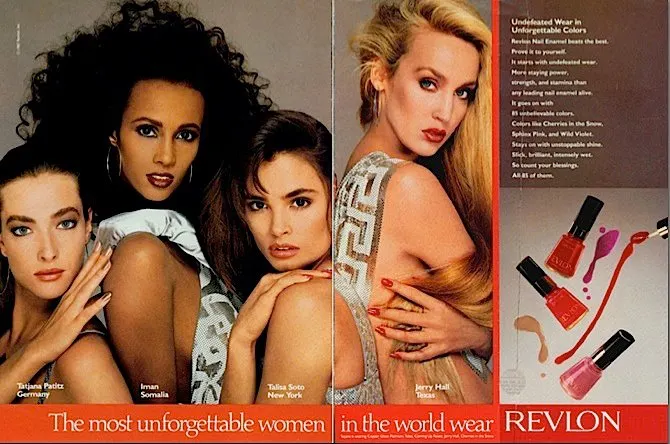
When Avedon stepped into professional photography, he entered a medium steeped in tradition. Portraiture—a form designed to capture individual personality through lighting, posing, and backdrops—had evolved dramatically since the middle of the 19th century, when the affordable daguerreotype supplanted painted portraits. Early studio photographers had relied on soft overhead window light, mirrors, and elaborate painted sets to navigate long exposure times. Over time, fashion photography emerged alongside it as a commercial mechanism to display clothing and haute couture in magazines like Vogue, Elle, and Harper’s Bazaar, gradually replacing hand-drawn fashion illustrations with lush, stylized scenes set in exotic locations.

Movement, Light, and Stripped Artifice
Avedon disrupted both genres simultaneously. Rather than treating fashion photography as a static display of garments, he specialized in capturing motion, energy, and life within still pictures. Whether framing the world of haute couture, theater, or dance, he brought a dynamic fluidity to the printed page. Yet his most radical intervention lay in his stark portraiture practice, where he deliberately discarded the decorative accessories of traditional studio photography.
In place of romanticized backgrounds, Avedon positioned his subjects before a plain white backdrop, lit with clinical clarity. By removing external distractions, he forced a confrontation between the camera and the sitter. His process converted commercial assignments into complex psychological transactions. Rather than projecting an idealized, flawless façade, his sitters revealed tension, weariness, joy, or quiet apprehension. In these minimalist frames, the aesthetic boundary between commercial portraiture and fine art dissolved completely.
In the Documentary ‘Avedon,’ a Portraitist’s Work Speaks for Itself — This illuminating documentary about the photographer Richard Avedon shows how much of his personality was infused into his art.
Redefining the Modern Image
Alongside contemporaries like Irving Penn, Avedon transformed how society viewed the photographic medium. As his obituary in The New York Times noted following his death in 2004, his fashion and portrait photographs helped define America's image of style, beauty, and culture for the last half-century. He elevated fashion photography from mere commercial advertisement into an enduring visual language, proving that pictures created for magazines could carry the weight and complexity of museum art.

Avedon’s legacy endures because he recognized that a photograph is never a neutral recording of reality; it is a negotiation between the person behind the lens and the subject in front of it. By stripping away the comforting artifice of the studio, he challenged us to look directly into the human visage. Decades after his classic images first graced newsstands, Avedon’s stark visual vocabulary remains the definitive portrait of an era—proof that in the hands of a master, a simple white backdrop can contain the entire human story.
Sources: This report draws on coverage by The New York Times Arts. The wording is our own.