Solomon Islands leader Matthew Wale announced that his country would no longer serve as a point of regional uncertainty, marking a major geopolitical shift in Oceania. The Pacific nation has ended a controversial security pact with China and signed a new treaty with Australia. The previous 2022 agreement with Beijing had raised international alarms that China might establish a military presence on the island chain, but the new accord with Canberra explicitly precludes such foreign military bases, effectively checking Beijing's influence in the South Pacific.
To understand why this archipelagic nation's defense alignment matters so deeply to global powers today, you have to go back to the origins of post-World War II security structures in Oceania, when major nations first sought to institutionalize their defense posture across the Pacific.
The Shadow of Cold War Treaties in the South Pacific
The geopolitical tug-of-war playing out across Melanesia is rooted in a history of strategic defense pacts designed to secure the vast expanse of the Pacific Ocean. Chief among these was the ANZUS Treaty, signed in 1951 by Australia, New Zealand, and the United States. Formed during the early years of the Cold War between 1949 and 1955, ANZUS was part of a broader collective response by Washington and its regional allies to counter the perceived threat of communism.
The terms of the 1951 agreement established a framework that echoes in today's bilateral agreements. ANZUS recommitted its signatories to the principles of the United Nations, prohibiting the use of force or threats except in self-defense, while obligating the nations to maintain their individual and joint capacity to resist armed attack. Crucially, the treaty declared that an armed attack on any of the parties would be dangerous to the peace and safety of all, requiring each to act to meet the common danger according to its constitutional processes. It also created a council of foreign ministers to oversee implementation and coordinate Pacific security matters.
Strategic Shifts in an Oceanic Archipelago
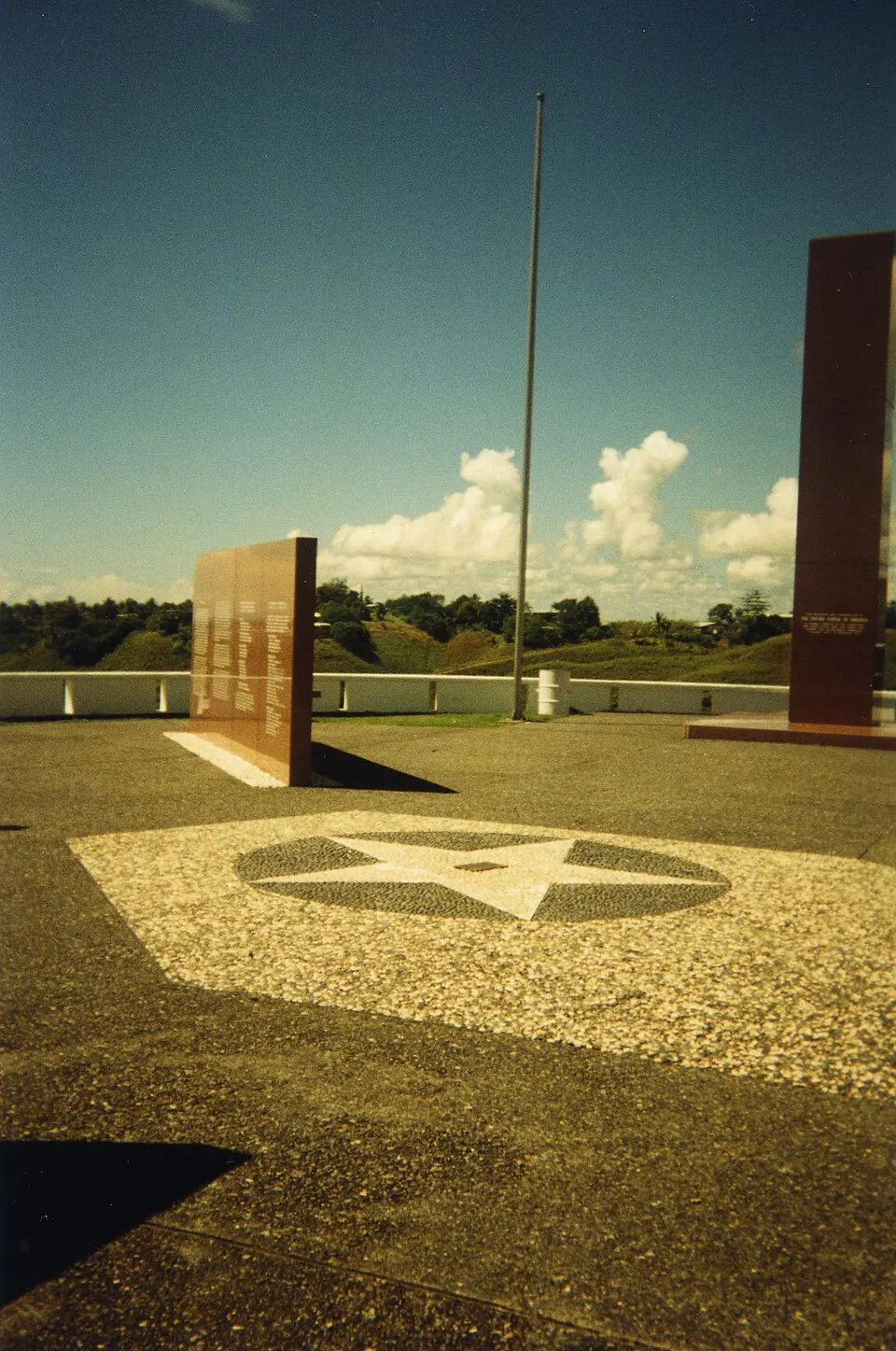
The geography of the South Pacific has long dictated its strategic value. The Solomon Islands comprises six major islands and more than 1,000 smaller islands in Melanesia, covering a total land area of 28,896 square kilometers (11,157 square miles). Situated northeast of Australia and neighboring Bougainville, New Caledonia, Vanuatu, Fiji, Tuvalu, Wallis and Futuna, the Federated States of Micronesia, and Nauru, the nation sits directly astride critical maritime corridors. Its capital, Honiara, is located on Guadalcanal, the largest island in the archipelago.
Human habitation in the Solomon Islands stretches back thousands of years, with settlers arriving at least some time between 30,000 and 28,800 BC. Subsequent waves of migrants, notably the Lapita people, mixed with existing populations to produce the modern indigenous Solomon Islanders, who today number an estimated 828,857 people based on 2025 official figures. European contact began in 1568 when Spanish navigator Álvaro de Mendaña visited the region, marking the start of centuries of external interest in the island group.
Friction and Realignment in Pacific Alliances
Maintaining collective security across Oceania has rarely been static. The cohesion of Cold War-era alliances faced significant strains over shifting sovereign priorities, most notably in 1986 when New Zealand initiated a nuclear-free zone in its territorial waters. Because this policy conflicted with United States defense practices, New Zealand was partially suspended from the ANZUS treaty, demonstrating how rapidly regional security architectures can fracture when domestic policies clash with international defense commitments.
The treaty was one of a series that the United States formed in the 1949–1955 era as part of its collective response to the threat of communism during the Cold War.
The recent friction over the Solomon Islands' 2022 agreement with China reflected similar anxieties about shifting power dynamics in the Pacific. For decades, Australia functioned as the primary security partner for many South Pacific island nations. When Beijing secured a security pact in Honiara, Western powers feared a fundamental realignment of Oceania's strategic architecture, echoing the anxieties that originally gave rise to treaties like ANZUS in the 1950s.
What History Tells Us About Oceania's Future
By severing the security arrangement with Beijing in favor of a new treaty with Canberra, Matthew Wale's government has re-anchored the Solomon Islands within Australia's security umbrella. The explicit clause precluding foreign military bases directly addresses the primary security concerns that have dominated Pacific diplomacy since 2022.
If history offers a guide, security arrangements in Oceania will remain subject to the evolving political landscapes of the island nations themselves. Just as ANZUS experienced strain when member priorities diverged, contemporary Pacific treaties must continually balance local sovereignty with regional defense strategy. As global powers continue to compete for influence across Melanesia, the Solomon Islands' latest treaty demonstrates that Pacific nations will continue to leverage their strategic positioning to shape their own security outcomes.
Sources: This report draws on coverage by BBC News, The New York Times, AP News. The wording is our own.