In a 1967 article titled Børn skal have hundrede forældre (Children should have one hundred parents), Danish writer Bodil Graae sparked a social movement by calling for a radical re-imagining of family life. Her invitation to those interested in communal living led to a series of meetings, eventually culminating in the 1972 founding of Sættedammen, a community located three kilometers south of Hillerød, Denmark.
How did the cohousing model evolve from an idea into a functioning community?
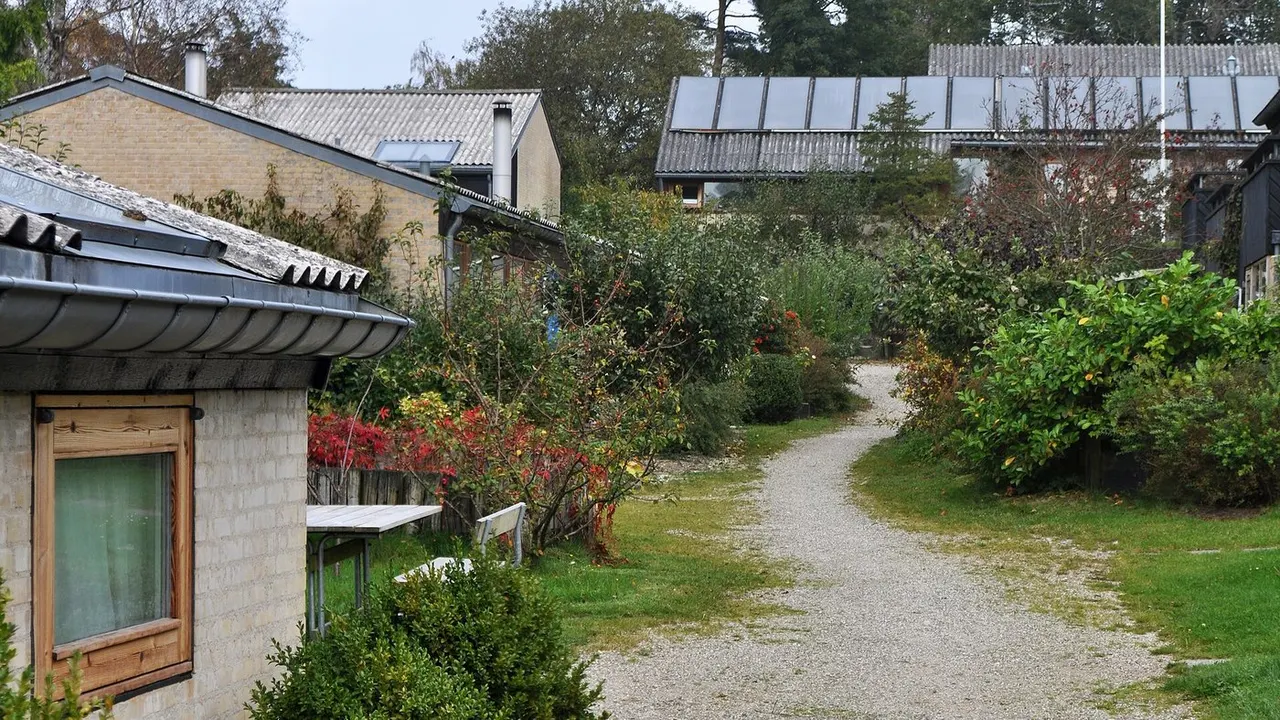
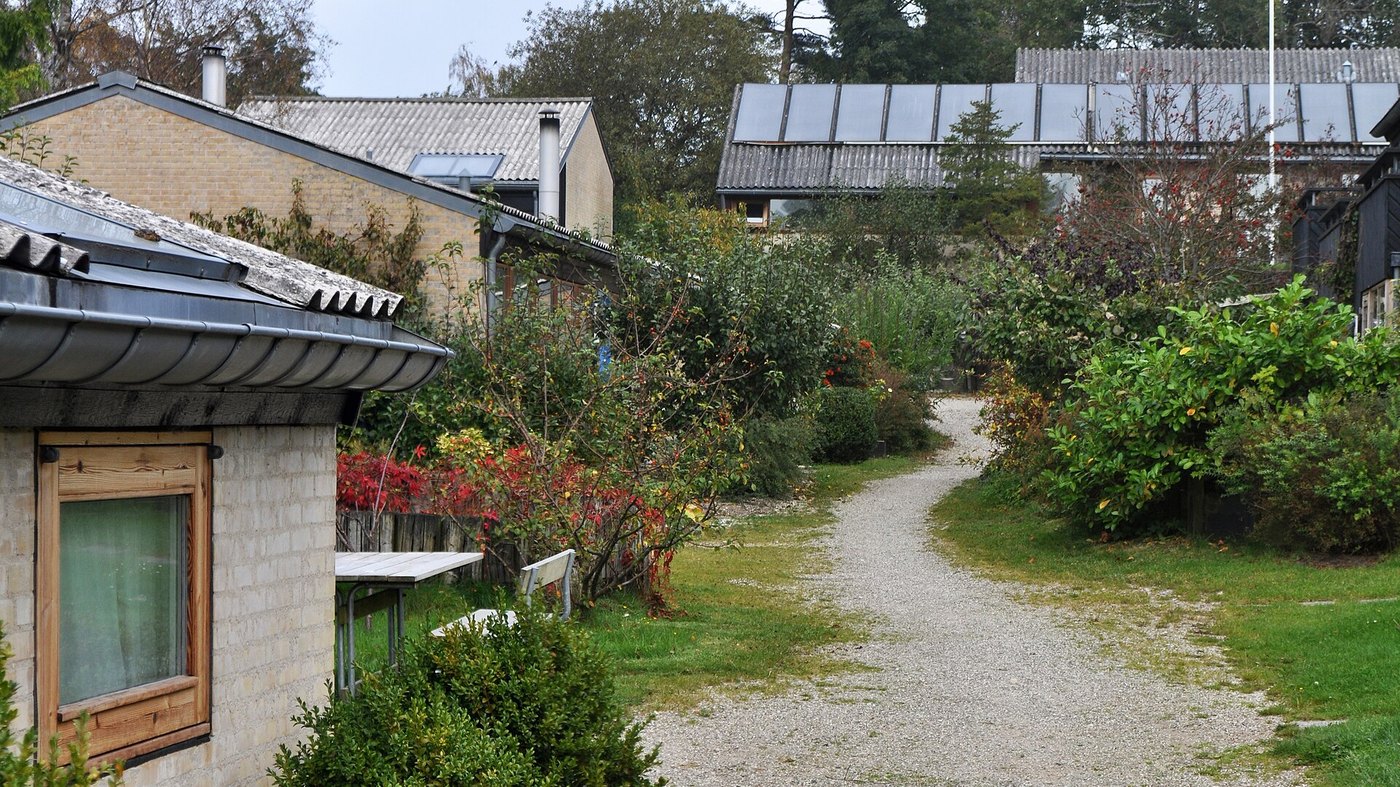
The transition from concept to reality was arduous, as Sættedammen founder Morten Fangel recalls. Initial planning meetings held between 1967 and 1968 were marked by intense debate over private versus communal space, childcare responsibilities, and shared dining. Architects Theo Bjerg and Palle Dyreborg ultimately designed 27 homes arranged in a ring surrounding a central lawn and a shared common house, prioritizing pedestrian paths over car access. While founders initially envisioned a community focused primarily on child-rearing, it was the tradition of communal dining that became the defining feature of the neighborhood. Today, approximately 70 residents share meals in the common house four evenings a week.
How does a cohousing community differ from a traditional commune?
The distinction between a modern cohousing community, or bofællesskab, and a commune lies in the boundary between private and collective space. While communes often blur these lines, cohousing residents maintain fully equipped, private homes, with the common house serving as a voluntary supplement to daily life. Trudeslund, a community established in 1981 in Birkerød, exemplifies this model. Designed by the architectural firm Vandkunsten, its 33 homes feature communal dining every evening except during the Christmas holidays. Decisions are made through a general assembly that meets monthly for two hours, maintaining a structure that balances individual autonomy with collective responsibility.
What is the link between loneliness and solitary living?
Data from the World Health Organization’s Commission on Social Connection indicates that one in six people worldwide reports experiencing loneliness, with social isolation linked to approximately 871,000 deaths annually between 2014 and 2019. Research consistently shows that living alone is not synonymous with feeling lonely, but the quality of social connection is the critical variable. A landmark meta-analysis of 148 studies by Julianne Holt-Lunstad and colleagues at Brigham Young University found that individuals with strong social ties had a 50 percent higher likelihood of survival. The data suggests that the integration into a community is a far more significant predictor of longevity than household size alone.
Notes and Sources
- Larsen, H. G. (2019). "Three phases of Danish cohousing: tenure and the development of an alternative housing form". Housing Studies 34(8): 1349-1371.
- Sjællandske Nyheder. "Verdens første bofællesskab fik en hård fødsel" (Account by Morten Fangel).
- Hillerød Leksikon, "Sættedammen"; Arkitekturbilleder (1971-1973).
- Boligfællesskabet Trudeslund. Official community website (trudeslund.dk).
- WHO Commission on Social Connection (June 30, 2025). "From loneliness to social connection: charting a path to healthier societies".
- TÜİK (May 12, 2026). "Family Statistics, 2025". Address-Based Population Registration System.
- Holt-Lunstad, J., Smith, T. B., Layton, J. B. (2010). "Social relationships and mortality risk: a meta-analytic review". PLOS Medicine 7(7): e1000316.
- Glass, A. P. (2020). "Sense of community, loneliness, and satisfaction in five elder cohousing neighborhoods". Journal of Women & Aging 32(1): 3-27.
- Glass, A. P., Norris, H. (2022). "Finding community in elder cohousing: before and during COVID-19". Journal of Aging and Environment 37(4): 403-420.
- Park, S., Park, S., Lee, H. (2025). "Senior cohousing as a protective factor against loneliness". Housing and Society 53(2): 156-176.
- Rusinovic, K., van Bochove, M., van de Sande, J. (2019). "Senior co-housing in the Netherlands: benefits and drawbacks". International Journal of Environmental Research and Public Health 16(19): 3776.