A Systematic Deletion of History
Across Russia, the physical markers of the nation’s darkest chapter are disappearing. Plaque by plaque, memorials dedicated to the victims of the Gulag—the vast network of forced-labor camps that defined the Stalinist era—are being dismantled by the state. This quiet, state-sanctioned erasure has gained momentum throughout Russia's war in Ukraine, signaling a broader effort to scrub the collective memory of the regime’s industrial-scale repression.
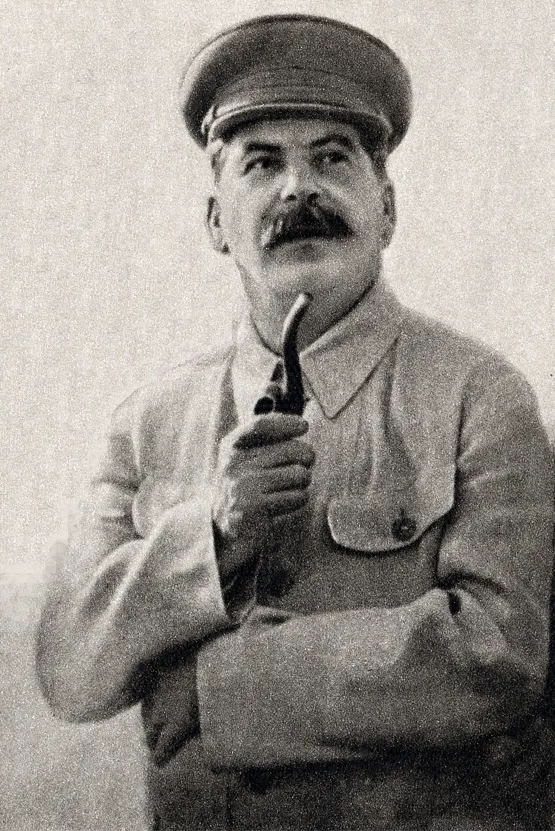
As Moscow correspondent Valerie Hopkins reports, the removal of these monuments is not merely an architectural cleanup; it is a calculated political maneuver. By rehabilitating Joseph Stalin and minimizing the horror of his repressive apparatus, the Kremlin aims to align the current state identity with a sanitized, triumphant vision of the Soviet past, effectively silencing any historical critique that might mirror current opposition to the war in Ukraine.
The Cycles of De-Stalinization and Rebirth
To understand why this erasure is happening now, you have to go back to the volatile shifts in Soviet politics following the death of Joseph Stalin in 1953. For decades, the Soviet state oscillated between acknowledging the atrocities of the labor camps and aggressively burying them. The so-called 'Thaw' initiated by Nikita Khrushchev brought a brief, albeit limited, window where the existence of these horrors was documented. However, this was consistently met with periods of deep stagnation and historical revisionism, where the state sought to prioritize national strength over human rights.
The Gulag was not merely a collection of prisons; it was a fundamental pillar of the Soviet economy and social control. Millions passed through the system, and its reach permeated every facet of Russian life. Throughout the late 20th century, the struggle over historical memory became a battleground for Russia’s soul. When memorials were established following the collapse of the Soviet Union, they functioned as a societal promise—a pledge of 'never again' that prioritized the dignity of the victim over the convenience of the state.

The Weaponization of the Past
The current dismantling of these sites represents a rejection of that post-Cold War promise. History in the Kremlin’s view is a tool for state-building, and a history centered on the victims of a tyrant is fundamentally incompatible with a state that seeks to project an image of unblemished, iron-fisted authority. By framing the Stalinist era as a period of inevitable sacrifice for national greatness, the modern state effectively delegitimizes those who question the morality of its contemporary military actions.
The erasure of memory is a strategic attempt to ensure that the populace views the current state’s actions through the lens of national necessity, regardless of the human cost, mirroring the very justifications used during the most brutal years of the twentieth century.
This historical revisionism is intended to insulate the current leadership from the moral weight of the past. If the atrocities of the Gulag can be downplayed or dismissed as historical fabrications, then any comparison between past repression and modern dissent becomes easier to discredit in the eyes of the public.
What the Past Suggests About the Future
History suggests that when a state begins to physically dismantle its own painful memories, it is rarely a temporary measure. It indicates a pivot toward a future where historical truth is strictly subordinated to the needs of the current regime. While the physical plaques may be removed, the historical reality of the Gulag remains a stubborn weight on the national conscience.

If the Kremlin continues down this path of institutionalized forgetting, it risks creating a society detached from its own trauma, potentially leading to a dangerous cycle of repeating errors that the nation once fought to memorialize. The removal of these markers does not erase the victims; it merely marks the state’s current determination to silence the lessons those victims left behind. As the war in Ukraine persists, the fate of these monuments remains tied to the broader question of whether Russia will ultimately confront its past or attempt to hide it behind a wall of enforced silence.
Sources: This report draws on coverage by The New York Times. The wording is our own.