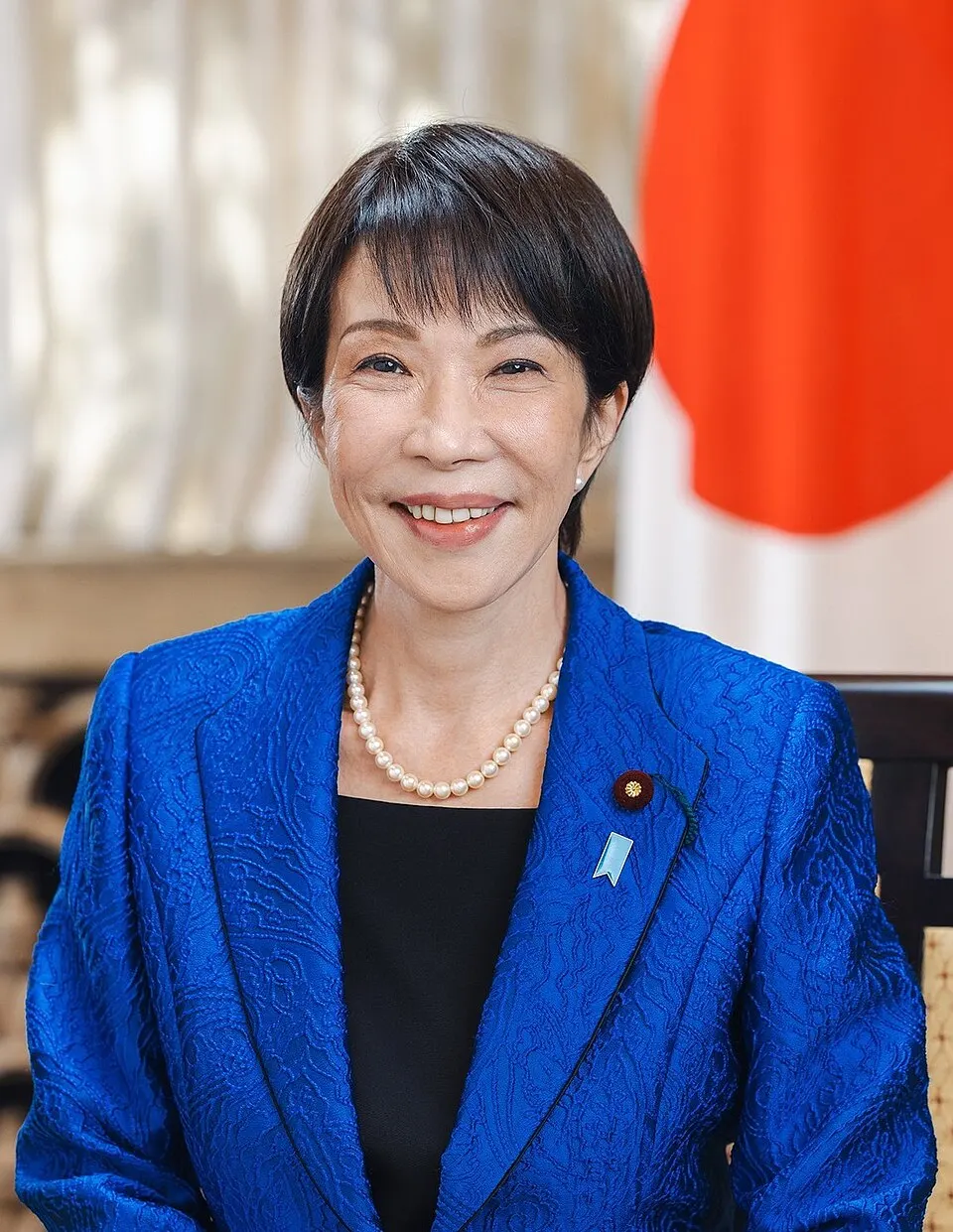
When Sanae Takaichi met Tuesday with Tomoko Akane, the president of the International Criminal Court, the diplomatic resonance was felt far beyond Tokyo. Takaichi, who became Prime Minister of Japan and president of the Liberal Democratic Party (LDP) in October 2025, made a decisive break with the United States by reaffirming Tokyo’s support for the tribunal. Amid efforts by the Trump administration to cripple the Hague-based body through sanctions, Takaichi vowed to accelerate Japan’s financial support—moving up its 2027 payment to help stabilize the court as American pressure squeezes its operations.
For Japan’s first female prime minister, welcoming an ICC chief facing American sanctions is more than a administrative gesture; it is a declaration of international posture. Takaichi’s defiance of Washington's anti-ICC campaign reveals a leader willing to assert Japan’s commitment to multilateral institutions, even when doing so risks friction with Tokyo’s premier security ally.
The Trajectory of a Conservative Trailblazer
Born in Tenri, Nara Prefecture, in 1961, Takaichi graduated from Kobe University before embarking on a career that spanned writing, legislative work, and broadcasting. She entered parliament as an independent in 1993, later joining the dominant LDP in 1996. Over the decades, she built a reputation as a steadfast conservative, eventually coming under the wing of former Prime Minister Shinzo Abe, whose nationalist vision and security focus deeply influenced her political worldview.
During Abe’s tenure, Takaichi rose to high office, serving prominently as Minister for Internal Affairs and Communications. She later took charge of economic security under Prime Minister Fumio Kishida from 2022 to 2024. After a third-place finish in the 2021 LDP leadership election, Takaichi secured the party presidency on October 4, 2025. Weeks later, she established a coalition government with the Japan Innovation Party (JIP), cementing her historic place at the helm of Japanese politics.
Pragmatism, Nationalism, and Friction
Takaichi’s political identity is defined by a mix of staunch nationalism and strategic policy execution. Admirers view her as a principled leader capable of safeguarding Japan's economic security and defending rule-of-law norms on the global stage. Her supporters point to her steady management of regional defense concerns, including maintaining a firm line on Taiwan policy while discussing Indo-Pacific security directly with U.S. leadership.
Conversely, her critics have long scrutinized her alignment with the LDP's right wing and her past associations with Abe's nationalist agenda. Yet her recent actions regarding the ICC defy simple political categorization. By stepping up to cushion the international tribunal against U.S. sanctions, Takaichi has drawn praise from international law advocates while surprising commentators who expected absolute deference to Washington.
Established in 2002 under the Rome Statute, the International Criminal Court relies on 125 states parties to sustain its mandate as the world's permanent war crimes tribunal.
The Stakes in Tokyo and Beyond
Takaichi’s early move to shield the ICC highlights the complex balancing act at the core of contemporary Japanese diplomacy. While Tokyo remains fundamentally reliant on its alliance with the United States for Indo-Pacific security, Takaichi’s administration has signaled that defending rules-based global governance remains a non-negotiable priority. Moving up Japan's financial contributions provides vital funding to the court at a moment when U.S. sanctions threaten to compromise its operational capacity.
This bold maneuver demonstrates Takaichi's willingness to chart an autonomous course. By reinforcing institutions that champion international law, she aims to project Japan as a reliable global pillar, even as geopolitical polarization deepens around the globe.
What to Watch Next
As Takaichi navigates her historic premiership, observers will closely monitor how Washington responds to Tokyo's explicit backing of the ICC president. The coming months will test whether Takaichi can preserve a seamless defense working relationship with the Trump administration on Indo-Pacific security while maintaining her principled defense of international tribunals. How she manages this tension will define her standing not just as an LDP pioneer, but as a major strategist on the world stage.
Sources: This report draws on coverage by The New York Times, Reuters, Bloomberg.com, The Japan Times, Kansas City Star, WISN, Nippon.com, Anadolu Ajansı. The wording is our own.