In the spring of 1717, Augustus the Strong, the Elector of Saxony and King of Poland, transferred 600 of his soldiers to King Frederick William I of Prussia in exchange for 151 carefully selected pieces of porcelain from the royal palaces of Oranienburg and Charlottenburg. Among the most prized items in this trade were the massive blue-and-white 'dragon vases' crafted in the kilns of Jingdezhen, China.1 One notable specimen from the Dresden collection, cataloged as inventory number PO 1011, stands 103.5 centimeters tall with its lid.1
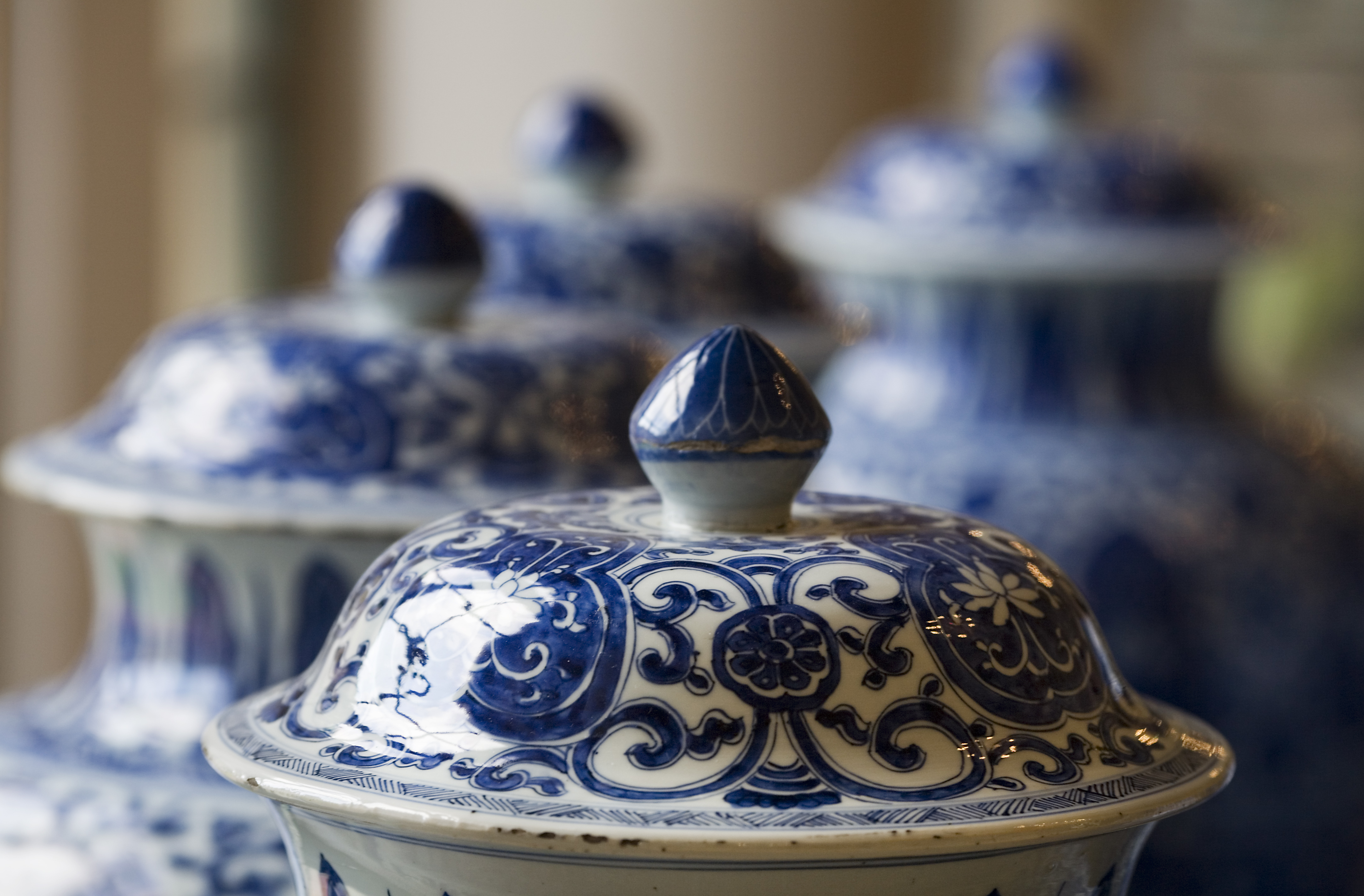
The institution in Dresden describes this era using the term maladie de porcelaine, or 'porcelain sickness.' The phrase is not an exaggeration, as royal budgets, diplomatic gift-giving, and architectural projects were fundamentally reshaped by this intense obsession with ceramic imports.2
What was the scale of the 18th-century porcelain obsession?
The porcelain collection of Augustus the Strong exceeded 24,000 individual pieces, a figure confirmed by both museum records and academic studies examining the economics of 18th-century collections.3 A significant portion of these objects arrived via the trade networks of the Dutch East India Company. The Leipzig trade fairs, Dutch merchants, and the nobility serving as intermediaries functioned as the essential nodes in this global exchange.
Notes and Sources
- Staatliche Kunstsammlungen Dresden (SKD), Dragonervase, inventory PO 1011: skd-online-collection.skd.museum/Details/Index/123235.
- SKD Porzellansammlung, "About us: History of the Collection": porzellansammlung.skd.museum/en/about-us/.
- Tingkai Huang, Artistic exchange under different royal patrons in 18th-century China and Europe, Leiden University, 2020: hdl.handle.net/1887/87374.
- Meissen official historical records, "Geschichte" and Porzellan-Museum archives: meissen.com.
- Robert B. Heimann, "Ehrenfried Walther von Tschirnhaus (1651-1708) and His Determined Search for the Porcelain Principle", Archaeometry, 2025, doi:10.1111/arcm.70035.
- Regina Krahl, "Export porcelain fit for the Chinese emperor", Journal of the Royal Asiatic Society, 1986.
- Serkan Gedük, "Ottoman Repairs on the Chinese Porcelain Collection at Topkapı Palace Museum", UNIMUSEUM, 2022: DergiPark.