How did the Pisces III end up 480 meters deep on the ocean floor?
On the morning of August 29, 1973, approximately 240 kilometers southwest of Cork, Ireland, a small manned submersible belonging to Vickers Oceanics was concluding a routine mission. Roger Chapman, 28, and Roger Mallinson, 35, had been laying telephone cables on the Atlantic floor for the British Post Office. Their eight-hour shift had ended, and as they waited on the surface to be recovered by their support ship, the hatch of the aft machinery compartment detached. The compartment flooded, and the Pisces III, burdened by over a ton of water, began to sink rapidly.
The descent lasted about thirty seconds. The two men switched off the electrical systems, released a 180-kilogram lead weight, gathered cushions, and placed rags in their mouths to prevent biting their tongues. They deactivated the depth gauge at 150 meters to avoid a potential implosion under pressure. At 09:30, the vessel struck the seabed at a depth of 480 meters, slamming into a trench at an estimated speed of 65 kilometers per hour. Their first emotion was not fear, but a sense of relief that they were still alive.
- The Pisces III flooded upon surface recovery, causing it to plummet to 480 meters at 65 km/h.
- The crew maintained silence and stillness to reduce oxygen consumption, using lithium hydroxide to scrub carbon dioxide.
- The US Navy's remote-controlled CURV-III vehicle successfully attached a second line to the vessel.
- Upon surfacing, only 12 minutes of oxygen remained in the sphere; this stands as the deepest successful underwater rescue in history.
What were the physical conditions inside the trapped submersible?
The interior diameter of the crew sphere was approximately 1.8 meters, leaving the two men to sit with their knees tucked against their chests in wet, freezing conditions. Their survival strategy was simple but brutal. At the start of the dive, the vehicle held 72 hours of life support; they had already consumed about eight hours of that supply during their shift. The remaining time could potentially stretch until Saturday morning, but only if they strictly limited their consumption.
Chapman later described the rule: by shutting everything down, oxygen consumption dropped to one-quarter of normal levels. There was no talking and no unnecessary movement. Every forty minutes, they activated the lithium hydroxide fan to scrub carbon dioxide from the air, followed by a small dose of oxygen. To conserve power, they delayed the fan cycle, leading to elevated CO2 levels and lethargy, but extending their limited air supply. Mallinson had swapped a half-empty oxygen tank for a full one shortly before the dive; that decision, despite the risk of later reprimand, proved vital for their survival.
Their only provisions consisted of a single cheese sandwich and a can of lemonade, which they saved until the final moments. Mallinson had been suffering from food poisoning, and Chapman was a newlywed. They communicated mainly by squeezing hands. As heavy, stale air pooled at the bottom of the sphere, they climbed as high as possible to breathe. The combination of cold, damp steel and darkness forced a cruel trade-off: to stay warm required movement, which increased oxygen consumption, while remaining still kept them cold but alive longer.
How did international rescue efforts coordinate to reach the Pisces III?
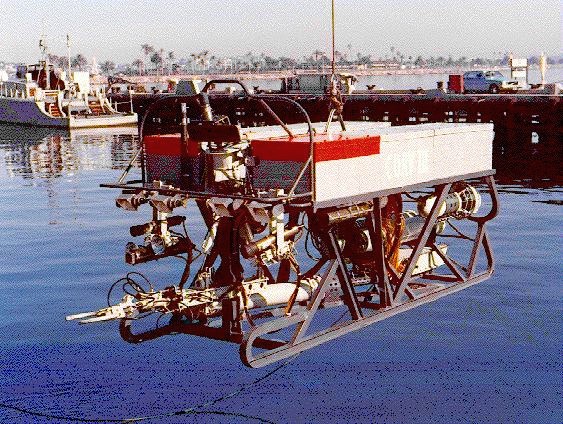
At 09:45 on the day of the accident, a signal reached the surface: both men were alive and in good spirits. A massive international response involving Britain, Canada, and the United States commenced immediately. Sister submersibles Pisces II and Pisces V were rushed through Cork to the site. The Royal Navy vessel HMS Hecate departed with specialized cables, and the US Navy dispatched the remote-controlled CURV-III, originally designed to recover ordnance from the seafloor, from California. The Canadian Coast Guard ship John Cabot also arrived from Swansea.
Friday brought a series of failures. The lifting line of Pisces II snapped. Pisces V failed to locate the craft, and when it finally did, it could not attach the hook. When the CURV-III arrived, it could not be deployed due to an electrical fault. By midnight, Chapman and Mallinson knew their 72-hour oxygen limit and their lithium hydroxide supply had been exhausted. Mallinson reported hearing what sounded like dolphins through the underwater telephone, and they received a message conveying well-wishes from "Queen Elizabeth," which they later realized was a communication from the passenger liner Queen Elizabeth 2, which had altered its course to respond to the mayday call.
How was the final rescue of the Pisces III conducted?
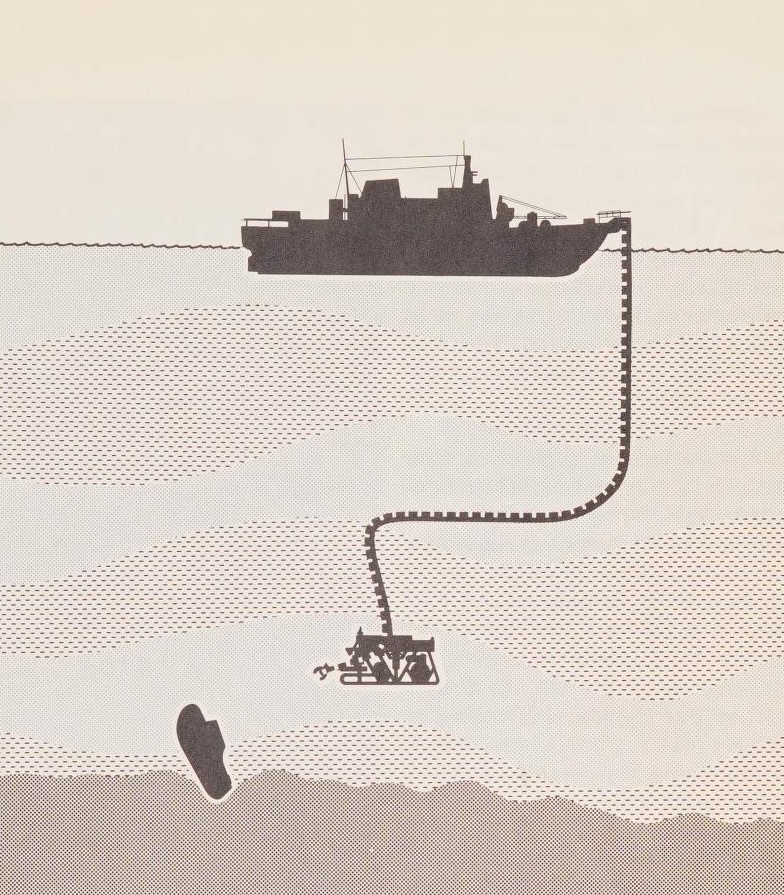
On Saturday morning, Pisces II finally attached a line to the aft compartment. At 09:40, the CURV-III successfully threaded a second line through the same opening. The ascent began at 10:50. The initial pull was violent, and the line became tangled once near the 100-meter mark, requiring divers to attach heavier cables at roughly 30 meters. At 13:17, the Pisces III broke the surface. Because the hatch was inverted, it took another thirty minutes to open. When the air rushed in, both men experienced euphoria accompanied by blinding headaches. Observers on the surface initially feared they had not survived the stress of the ascent.
The men had spent a total of 84 hours and 30 minutes trapped inside. They had managed to extend 72 hours of life support by over 12 hours. Upon inspection, only 12 minutes of oxygen remained in the tank. Guinness World Records and maritime historians continue to recognize this as the deepest successful human underwater rescue in history. Chapman later established underwater rescue companies and participated in the 2005 rescue of the seven-man crew of the Russian Priz submersible.
Notes and Sources
- Vanessa Barford, "Pisces III: A dramatic underwater rescue", BBC News Magazine, August 29, 2013.
- "Rescue of Roger Mallinson and Roger Chapman", Wikipedia (based on primary sources); U.S. Navy CURV-III operation logs.
- Guinness World Records and U.S. Navy CURV history: recognized as a successful human underwater rescue at 480 m / 1,575 ft. Roger Chapman, No Time On Our Side (W. W. Norton, 1975).