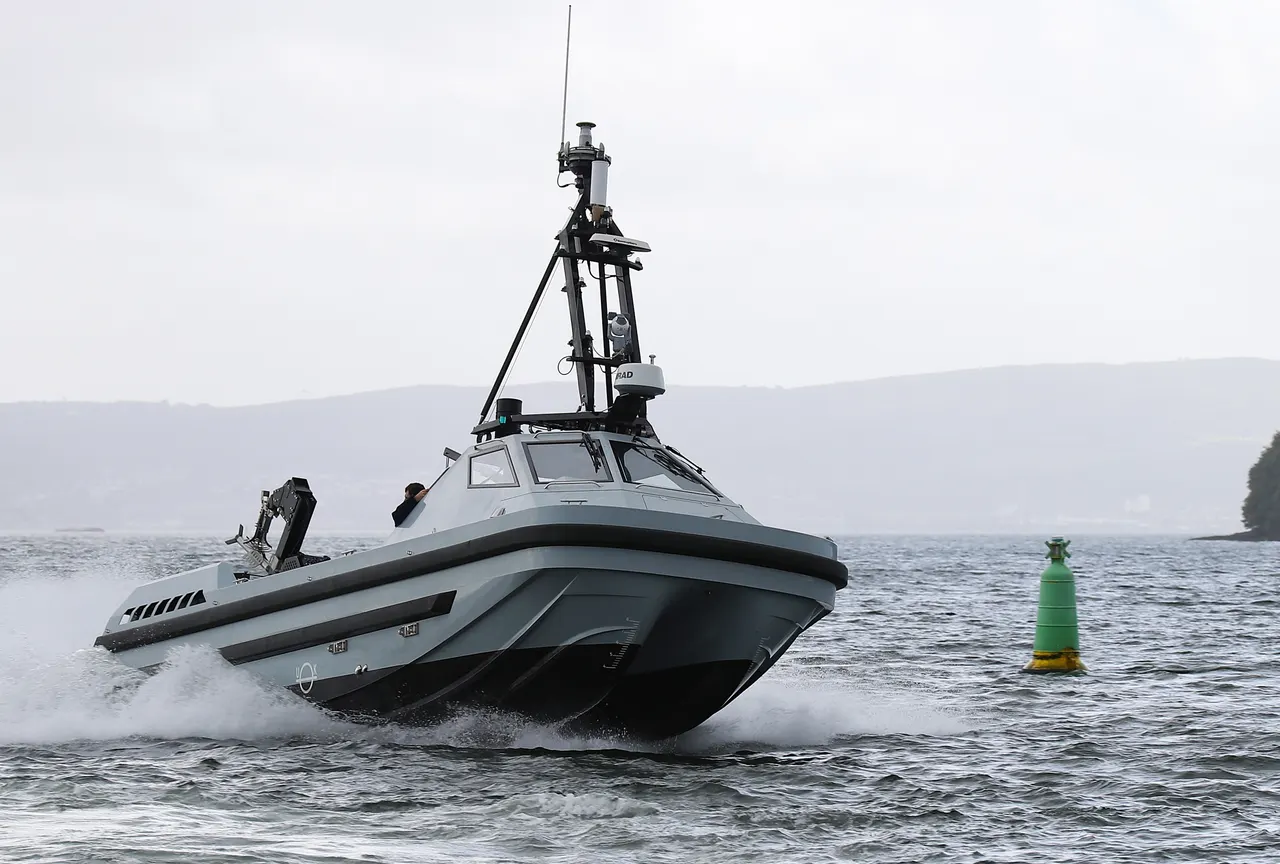
On November 23, 2026, the conflict between Ukraine and Russia underwent a significant geographic expansion as Ukrainian special operations forces targeted and sank Russian vessels in the port of Benghazi, Libya. According to reports from the BBC, The New York Times, and Al Jazeera, President Volodymyr Zelenskyy confirmed that Ukrainian naval drones were responsible for sinking the Russian warship Merkury and striking a dry cargo vessel. This operation, occurring thousands of miles from the front lines in Ukraine, signals a new phase of the war where Kyiv utilizes unmanned technology to challenge Russian maritime logistics and power projection on a global scale.
The Evolution of the Ukrainian Naval Strategy
To understand how a nation with a severely diminished traditional navy could strike targets in North Africa, one must look at the recent history of the Ukrainian Navy. Following the 2014 annexation of Crimea, the navy lost its primary base in Sevastopol and moved its headquarters to Odesa. According to background data, the 2022 Russian invasion further crippled the force; its largest warships were lost early in the conflict, including the flagship which was scuttled to prevent capture. Consequently, the Ukrainian Navy—which previously consisted of Soviet-era remnants—was forced to pivot toward asymmetrical capabilities.
The development of Unmanned Surface Vehicles (USVs), or "sea drones," has been the cornerstone of this pivot. These remote-controlled or autonomous vessels allow for high-impact strikes without the need for large, expensive capital ships. While the technology dates back to World War I, its modern application by Ukraine has transformed the Black Sea. The recent strike in Libya, however, represents a logistical leap. The Guardian reports that the Security Service of Ukraine (SBU) launched seven drones from a "mothership" to reach the Libyan coast, demonstrating a capacity to deploy these assets far from Ukrainian shores.
"Ukraine’s security service says seven drones were launched from mothership in operation that sank Merkury warship." — The Guardian, November 23, 2026
Key Actors and Strategic Objectives
The primary actors in this escalation have distinct and conflicting objectives in the Mediterranean region:

- Ukraine: By striking the Merkury in Libya, Kyiv aims to disrupt Russian supply lines that circumvent the Black Sea. According to The Guardian, the vessel was docked in Benghazi on its way back to Russia. Expanding the combat zone forces Moscow to divert defensive resources away from the primary theater of war.
- Russia: The Kremlin has warned of an "escalation of tensions in the region," as reported by the BBC. Russia utilizes Libyan ports to maintain its influence in North Africa and the Middle East; the vulnerability of its fleet in supposedly safe harbors threatens its strategic depth.
- Libya and Regional Powers: As Al Jazeera and AP News report, Libyan officials confirmed the strikes occurred at a naval base in Benghazi. For regional actors, the presence of Ukrainian-Russian combat in the Mediterranean introduces a volatile new element to local security dynamics, particularly in a country already divided by internal conflict.
Scenarios for the Expansion of Conflict
The shift toward globalized drone warfare suggests several potential paths for the coming months:
1. The Normalization of Long-Range Maritime Sabotage: If Ukraine continues to successfully use "motherships" to deploy drones in distant waters, Russian naval assets in the Mediterranean, Red Sea, or even the Atlantic could become permanent targets. This would be made more likely if Kyiv continues to receive or develop advanced long-range USVs and finds success in maritime hubs where Russian cargo and warships intersect.
2. Russian Counter-Escalation in Neutral Waters: The BBC reports a separate incident where a Russia-bound ship was attacked in the Gulf of Finland, likely by Ukrainian drones. If Russia perceives these global strikes as a systemic threat to its commercial and military shipping, it may retaliate against Ukrainian or allied maritime interests outside the immediate war zone, potentially involving private military contractors or "gray zone" tactics in international shipping lanes.

3. International Regulatory and Diplomatic Pressure: As noted in background material regarding the Maritime Autonomous Surface Ship (MASS) Code of Practice, the regulatory environment for USVs is evolving. A sustained campaign of drone strikes in foreign ports like Benghazi might trigger a diplomatic backlash from neutral nations fearing for the safety of their own commercial ports, leading to increased pressure on Kyiv to limit its operations to the Black Sea.
What to Watch
In the immediate future, observers should monitor the movement of the Russian Mediterranean fleet. If Russia begins to withdraw vessels to more secure, distant ports, it will indicate that Ukraine has successfully contested the safety of the entire Mediterranean basin. Additionally, the reaction of the Libyan authorities in Benghazi will be critical; any collaboration or condemnation regarding the presence of the "mothership" used by Ukraine will signal how regional powers intend to navigate this expansion of the war.
Finally, the technical details of the "mothership" mentioned by the SBU deserve scrutiny. The ability to transport and launch naval drones from a seemingly innocuous commercial or support vessel would mean that any ship in the world’s shipping lanes could potentially serve as a launch platform, fundamentally altering the risk assessment for naval commanders worldwide.
Sources: This report draws on coverage by The Guardian, BBC News, Al Jazeera, The New York Times, NBC News, NPR, AP News, CBS News. The wording is our own.