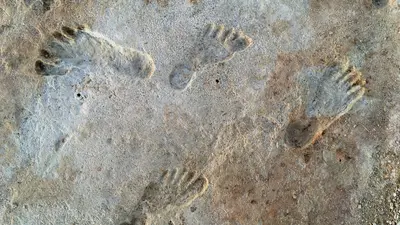
It is 3:00 a.m. Your eyes are wide open. You stare at a spot on the ceiling, check a notification on your phone, or mentally run through tomorrow's to-do list. Many feel a sense of failure for missing the standard rule of eight hours of uninterrupted sleep. However, evolutionary anthropologist David Samson of the University of Toronto poses a different question: what if human sleep has always been fundamentally different from that of our primate relatives, and our modern anxiety is based on an incorrect ideal?
- Based on a phylogenetic model, humans should sleep about 11.5 hours a day; the global average is closer to seven.
- Small-scale societies like the Hadza and BaYaka sleep less and experience more fragmented sleep, yet maintain stronger circadian alignment.
- The use of fire and sleeping on the ground may have shortened and intensified human sleep, freeing up time for daytime learning and social bonding.
- The core modern issue may not be short sleep, but rather our disconnection from natural light, temperature, and darkness.
Why do humans sleep less than other primates?
When David Samson and Charles Nunn plotted sleep data from over thirty primate species onto an evolutionary tree, humans emerged as outliers. Great apes generally sleep between nine and ten hours. Lemurs can reach thirteen to fourteen hours, tarsiers fifteen, and owl monkeys up to seventeen. When adjusting for body mass, brain size, diet, and ground-dwelling habits, the model predicts humans should sleep for roughly 11.5 hours. In reality, both industrial societies and small-scale populations average about seven hours. Humans are the shortest sleepers in the entire primate order, a trait not born of bad habits, but of an evolutionary experiment that began approximately 1.8 million years ago.2
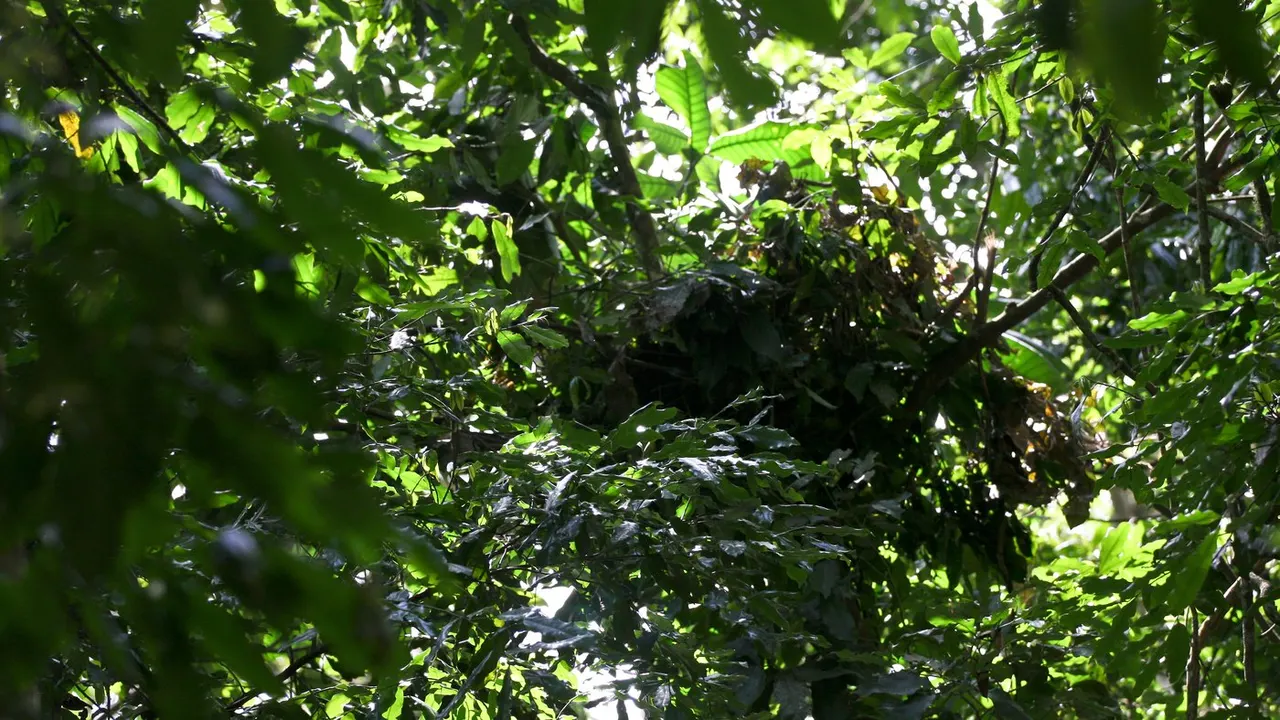
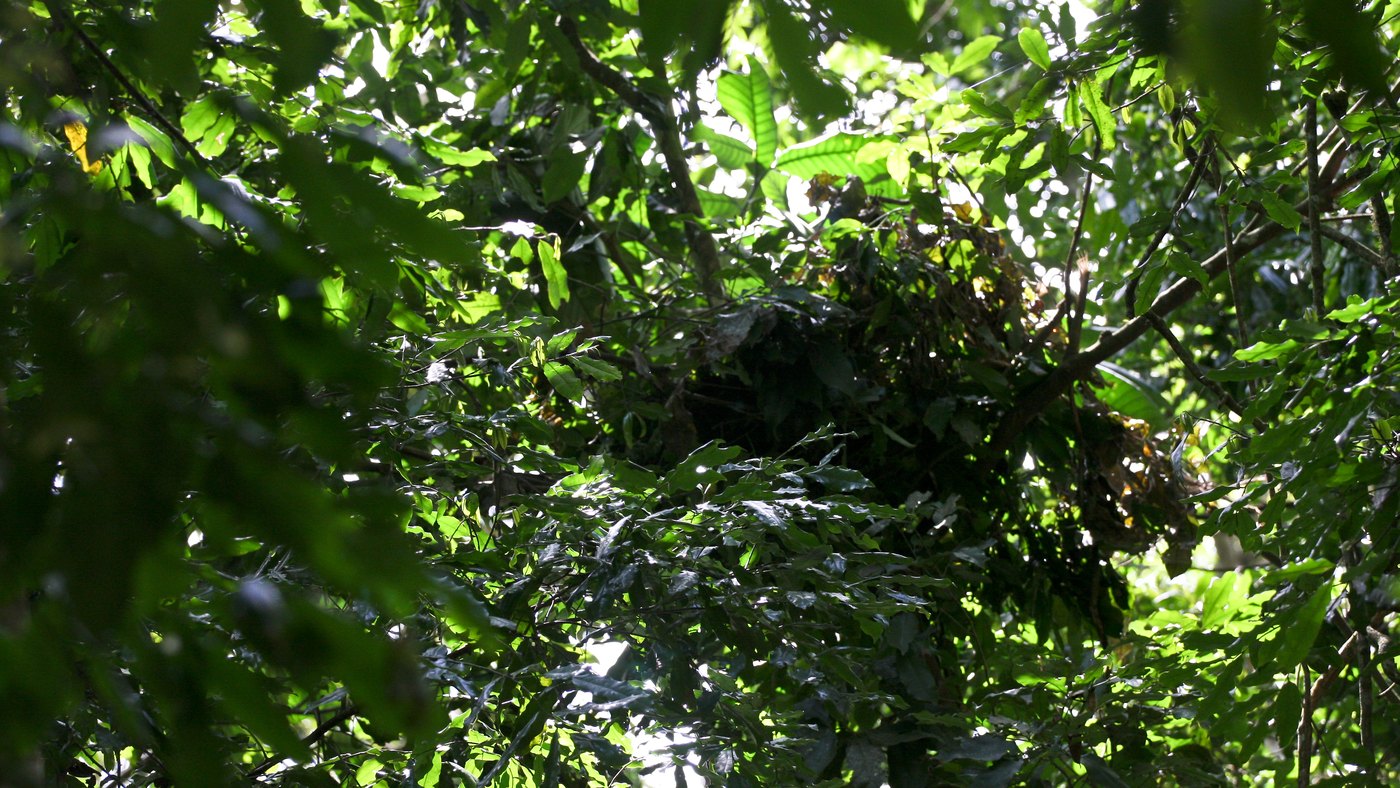
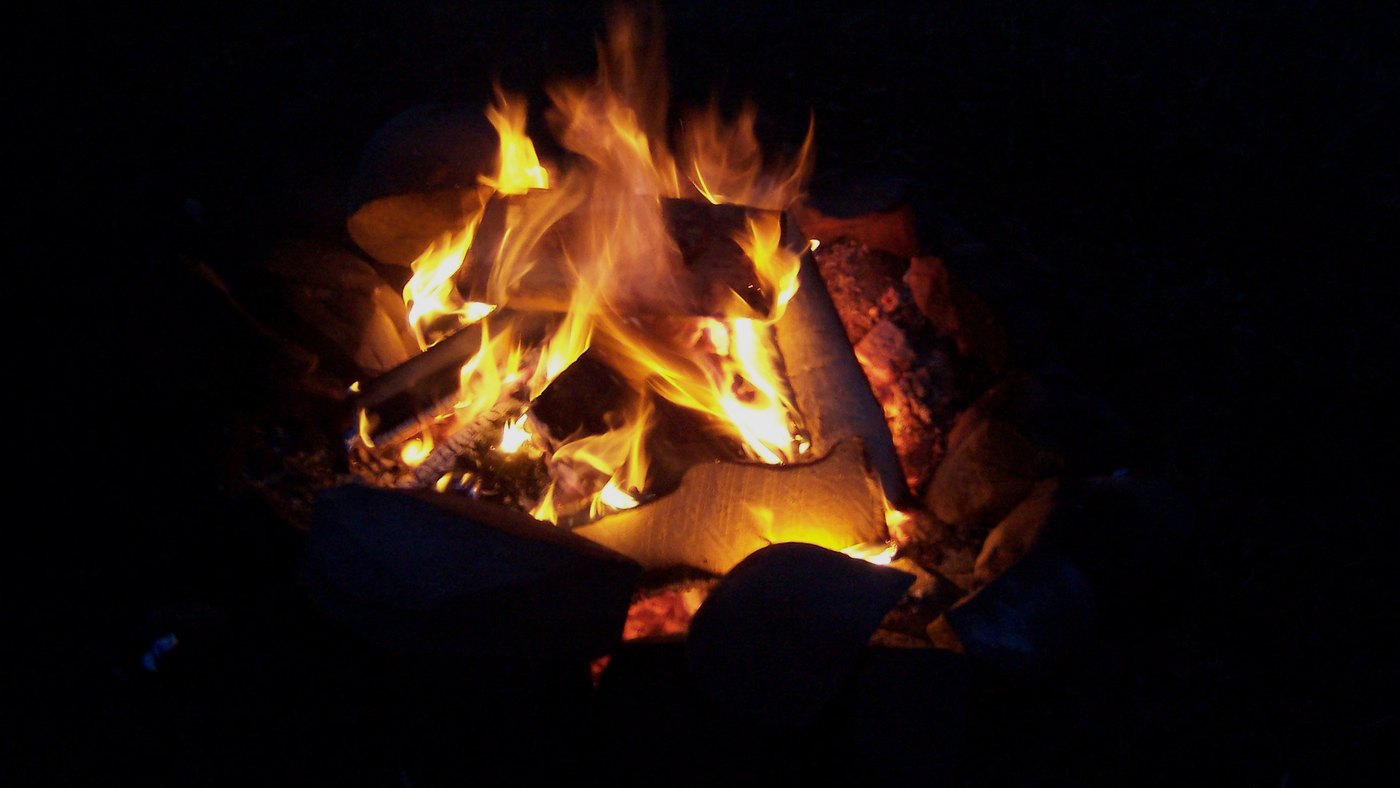
This reduction is functional. Sleeping on the ground is riskier than sleeping in a tree, but fire, group dynamics, and shelter created a "social cocoon" that reduced nocturnal threats. According to Samson's "sleep intensity" hypothesis, natural selection favored shorter, deeper sleep. Higher proportions of slow-wave and REM sleep allowed humans to satisfy cognitive needs in fewer hours. The hours gained were utilized for cooking—which reduced the time needed for chewing—as well as tool use, learning, and social bonding. While a chimpanzee spends hours a day chewing, fire-using humans spend about an hour, and their sleep budget has been reduced from eleven hours to seven.1
Is the modern sleep deprivation narrative accurate?
The common narrative claims we are the worst-sleeping generation in history due to phones and artificial light. However, field research conducted by Samson among the Hadza of Tanzania and the BaYaka of the Congo contradicts this. These small-scale societies average about 6.4 hours of sleep per night, which is forty-five minutes less than the industrial average. Sleep efficiency in industrial societies hovers around 88 percent, compared to 70 percent in these groups, who experience more fragmented, frequently interrupted nights. Despite this, their circadian rhythms remain more synchronized with the environment. Judging health solely by hours spent in bed is misleading; the true difference lies in maintaining a connection to light and temperature cycles.3
This does not mean sleep deprivation is benign. Chronic deficiency impairs immunity, mood, and concentration. But the claim that seven hours is insufficient and that our ancestors slept for ten hours is not supported by field data. The problem may not be a deviation from a fixed time schedule, but a misalignment between our biology and the light-driven internal clock. Samson notes that in some cultures, an average of six hours of sleep can coincide with good cardiovascular and mood metrics because metabolic clocks are aligned with the environment. Optimum sleep is culture-specific; the "eight hours for everyone" rule is a social norm rather than universal science.
How has modern technology decoupled human sleep from nature?
Access to electricity creates a tangible difference even within the same cultural groups, such as the Toba/Qom people. In villages with electricity, sleep onset is delayed, total duration decreases, and the onset of melatonin secretion is pushed back. The issue is not just "screens are bad," but that evening light shifts the biological night.4 Samson identifies this as the cost of modern comfort. Beds, locked doors, and silent rooms assist deep sleep, but the absence of morning sunlight, daytime outdoor exposure, and evening light consistent with fire temperatures causes our biological clocks to drift.
Historian Roger Ekirch’s research shows that in pre-industrial societies, the night was often split into two segments: a first sleep, a short period of wakefulness, and a second sleep. An uninterrupted eight-hour block is a relatively recent ideal both historically and evolutionarily. Waking up at 3:00 a.m. is not necessarily a sign of pathology. However, when dark offices, bright screens at night, and morning alarms overlap, the system truly struggles.5
Can modern humans reclaim natural sleep patterns?
Samson’s framework is not an endorsement of "paleo-sleep" trends. One need not discard a comfortable bed, but rather seek alignment with the external world. Exposing oneself to morning light, spending time outdoors during the day, and shifting to warm, dim lighting in the evening are essential signals for the circadian clock. While a short nap may patch a sleep deficit, long daytime naps can exacerbate nighttime wakefulness.
Human sleep shortened long before our recent history, which was an adaptation rather than a failure. The issue is not a panic over getting seven hours instead of eight, but a lifestyle that detaches the body from the day’s light, temperature, and darkness. Before obsessing over the number of hours, asking to what the internal clock is set is a more honest place to start.
Notes and Sources
- Samson, D. R. (2021). "The Human Sleep Paradox: The Unexpected Sleeping Habits of Homo sapiens". Annual Review of Anthropology, 50, 259-274. doi:10.1146/annurev-anthro-010220-075523; Samson, D. R., Nunn, C. L. (2015). "Sleep intensity and the evolution of human cognition". Evolutionary Anthropology, 24(6), 225-237. doi:10.1002/evan.21464 ↩
- Nunn, C. L., Samson, D. R. (2018). "Sleep in a comparative context: Investigating how human sleep differs from sleep in other primates". American Journal of Physical Anthropology, 166(3), 601-612. doi:10.1002/ajpa.23427 ↩
- Samson's Hadza and BaYaka field summaries and cross-cultural sleep comparison: EL PAÍS interview (June 2, 2026) and Proceedings B cross-cultural analysis; see also Crittenden, A. N., Samson, D. R. et al. (2018). "Infant co-sleeping patterns and maternal sleep quality among Hadza hunter-gatherers". Sleep Health, 4(6), 527-534. ↩
- de la Iglesia, H. O. et al. (2015). "Access to Electric Light Is Associated with Shorter Sleep Duration in a Traditionally Hunter-Gatherer Community". Journal of Biological Rhythms, 30(4), 342-350. doi:10.1177/0748730415590702; Casiraghi, L. et al. (2020). "Access to electric light is associated with delays of the dim-light melatonin onset...". Journal of Pineal Research. doi:10.1111/jpi.12689 ↩
- Ekirch, A. R. (2001/2005) research on segmented sleep; Wehr, T. A. (1992). "In short photoperiods, human sleep is biphasic". Journal of Sleep Research, 1(2), 103-107. ↩