The International Tribunal for the Law of the Sea (ITLOS) in Hamburg began formal hearings on Tuesday to address a legal complaint filed by Argentina against the United Kingdom regarding the Sea Lion oil development in the North Falkland basin. Argentina is requesting urgent provisional measures to suspend the project, which it deems unlawful, while the United Kingdom asserts its commitment to defending the economic interests of the Falkland Islands, maintaining that the proceedings do not concern the issue of sovereignty.
The nature of the legal dispute
Legal representatives for Argentina argued before the panel, presided over by Judge Maurice Kamga, that Britain’s authorization of offshore resource extraction violates a 1976 United Nations resolution intended to prevent unilateral actions during a sovereignty standoff. Javier Oyarzabal, the chief legal adviser for Argentina’s ministry of foreign affairs, told the tribunal that the project would generate revenue used to support the UK's military presence on the archipelago. Argentina contends that the 3,400 inhabitants of the islands possess no legal right to exploit resources in the surrounding waters, and that such actions only serve to solidify a status quo that denies Argentina its territorial claims.
“The UK cannot have it both ways. It cannot invoke the sovereignty dispute to escape jurisdiction while exploiting the natural resources of the disputed area as if a dispute had already been resolved in its favour.” — Javier Oyarzabal, according to The Guardian.
UK position on the project and islander rights
The British government has characterized the legal challenge as a misinterpretation of the situation, stating that it intends to vigorously contest Argentina's request for provisional measures. A spokesperson for the UK Prime Minister confirmed that the government is fully participating in the UN Convention on the Law of the Sea (UNCLOS) process and reiterated that the residents of the Falkland Islands maintain the right to develop their own natural resources. Prime Minister Andy Burnham previously addressed the United Nations, vowing that the UK would not be swayed by threats and would uphold the islanders' right to self-determination. British officials maintain that the current hearings are strictly focused on maritime legalities rather than the broader question of sovereignty.

Project background and economic implications
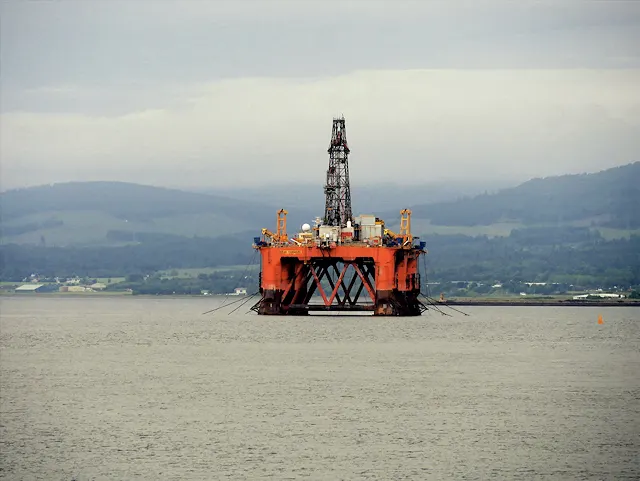
The Sea Lion field, located north of the Falklands, is a joint venture between the Israeli-owned firm Navitas Petroleum and its British partner, Rockhopper Exploration. Following a final investment decision earlier this year, the companies have secured the necessary funding and permits to proceed with full-scale implementation. The development is estimated to contain approximately 1.7 billion barrels of oil, a project that could potentially triple the islands' GDP per capita. While initial production is projected to commence in March 2028, the project has already faced diplomatic and economic friction, including the implementation of sanctions by the administration of Argentine President Javier Milei against the companies involved.
What happens next?
The ITLOS proceedings in Hamburg are scheduled to continue for two days to assess the request for provisional measures. While the tribunal has the authority to issue legally binding rulings regarding maritime disputes, the extent to which these findings will impact the long-term status of the Sea Lion project remains uncertain. Both nations continue to hold fundamentally opposing views on the legitimacy of resource extraction in the South Atlantic, with no immediate resolution in sight regarding the underlying sovereignty claim over the archipelago, which has remained a source of tension since the 1982 conflict.

Sources: This report draws on coverage by The Guardian, Crude Oil Prices Today | OilPrice.com, The Independent, AOL.co.uk, UA.NEWS, The Times, LBC, TradingView. The wording is our own.