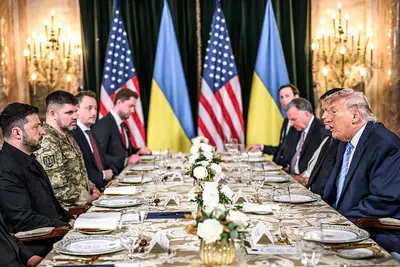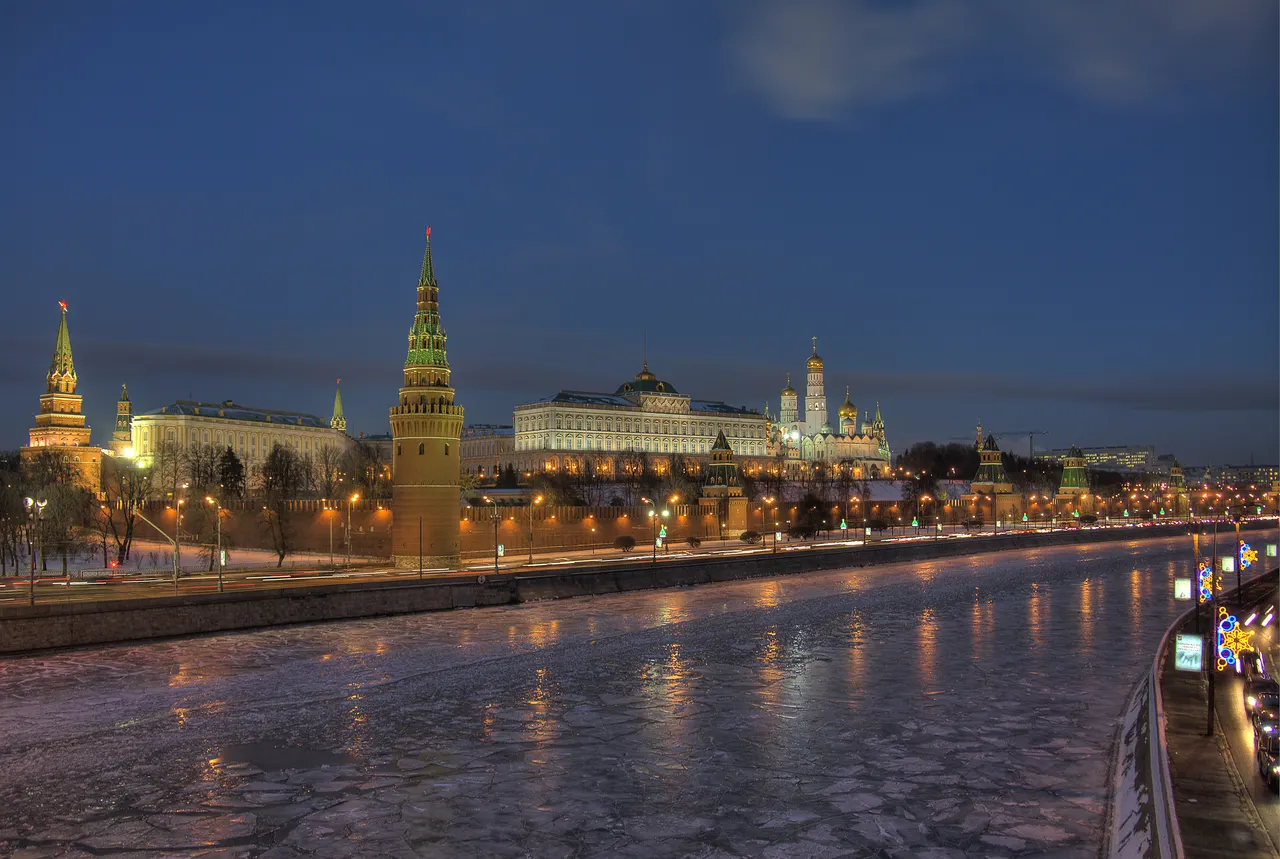
United States envoys Jared Kushner and Steve Witkoff arrived in Moscow on Thursday, November 12, to conduct high-level negotiations with Russian President Vladimir Putin regarding a potential end to the conflict in Ukraine. The visit to the Kremlin follows two days of trilateral discussions held in Abu Dhabi earlier this week involving representatives from Washington, Moscow, and Kyiv. Kushner and Witkoff were met at Vnukovo airport by Kirill Dmitriev, a senior Russian official and CEO of the Russian Direct Investment Fund, before being transported to the city center for their scheduled midday meeting with Putin. This diplomatic mission marks the tenth time Witkoff has traveled to Russia for such discussions since the second administration of President Donald Trump began in January 2025.
What was achieved during the preliminary talks in Abu Dhabi?
The trilateral negotiations in Abu Dhabi, which concluded on Wednesday, resulted in an agreement for a significant prisoner exchange but failed to produce a broader breakthrough regarding the cessation of hostilities. Jared Kushner described the upcoming swap on social media as the largest of the war to date, suggesting it would help establish the necessary momentum for future peace efforts. While American officials characterized the UAE-based sessions as a productive step toward narrowing the gaps between the combatants, the BBC and Radio Free Europe reported that the two warring nations remain deeply divided on fundamental issues. Specifically, Moscow continues to demand full control over the Donetsk region, while Kyiv remains firm in its refusal to cede eastern territories in exchange for a ceasefire.
"Bringing Ukraine and Russia back together for the first trilateral talks since February was an important step. The discussions were serious, detailed, and frank," Jared Kushner stated via X, as reported by ABC News.
How does the Moscow meeting relate to European security concerns?
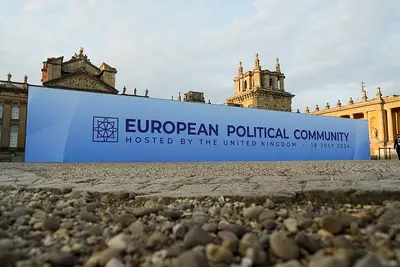
The meeting between the American envoys and Vladimir Putin coincides with a major gathering of more than 40 European leaders in Dublin for the European Political Community (EPC) summit. A primary objective for Kushner and Witkoff in Moscow is to convince the Russian president to allow European representatives a seat at the negotiating table, a proposal Russia has previously resisted due to Europe's military support for Ukraine. According to Al Jazeera, the US delegation is presenting Putin with an updated peace proposal that seeks to address the future security architecture of the continent. Meanwhile, in Dublin, Ukrainian President Volodymyr Zelenskyy is expected to consult with allies including NATO Secretary-General Mark Rutte and Canadian Prime Minister Mark Carney regarding the details emerging from the US-led mediation efforts.

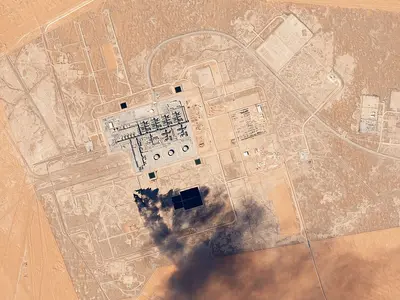
While the diplomatic track proceeds, tensions remain high regarding critical infrastructure and technology. On the same day as the Moscow talks, President Zelenskyy reported that Ukrainian forces were experiencing "systematic restrictions" on the Starshield satellite internet service provided by Elon Musk's SpaceX. As reported by DW.com, the Ukrainian leader suggested these connectivity issues were assisting Russian military operations. Simultaneously, Ukraine's military confirmed it had conducted strikes against five of Russia's largest oil refineries since late October, a move that defies previous calls from the Trump administration to halt attacks on Russian energy assets.
What is the historical context of these negotiations?
The current diplomatic push takes place as the full-scale invasion of Ukraine, launched by Russia in February 2022, nears its fifth year. Vladimir Putin, who has served as the de facto leader of Russia since 1999, has maintained maximalist demands throughout the conflict, including the permanent neutrality of Ukraine and Western recognition of annexed territories. Jared Kushner, the son-in-law of President Donald Trump, has taken an increasingly central role in these second-term foreign policy initiatives, acting as a primary bridge between the White House and the Kremlin. The inclusion of Steve Witkoff as a special envoy highlights the administration's reliance on a small circle of trusted negotiators to bypass traditional diplomatic channels that had remained frozen during the first years of the war.

What happens next in the peace process?
The immediate next step following the Kremlin meeting is a high-stakes consultation between the US envoys and the Ukrainian leadership. Kushner and Witkoff are scheduled to fly directly from Moscow to Dublin late on Thursday or early Friday to brief President Volodymyr Zelenskyy on Putin's response to the updated peace proposals. It remains unconfirmed whether Russia will agree to the American request to include a unified European representative in future rounds of talks. Furthermore, while a prisoner exchange has been agreed upon, the specific date for the transfer and the exact number of personnel involved have not been publicly disclosed. Observers are also waiting to see if the recent disruptions to the Starshield satellite network will be addressed during the diplomatic circuit or if they represent a lasting shift in the technical landscape of the battlefield.
Sources: This report draws on coverage by Al Jazeera, DW.com, BBC News, abcnews.com, Radio Free Europe/Radio Liberty, Reuters, The Washington Post, NewsCord. The wording is our own.