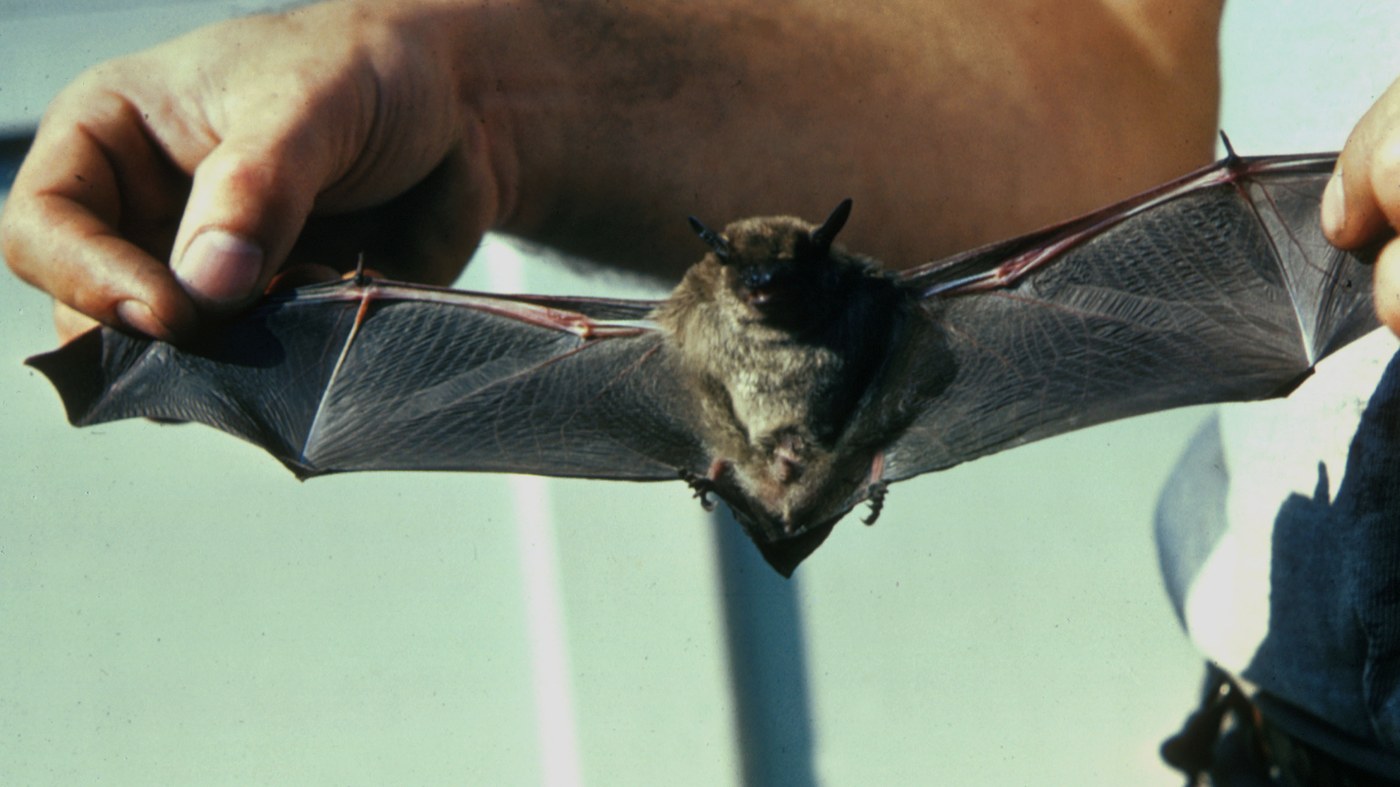
A long-standing paradox has occupied the team led by Kazumasa Tanaka at the Okinawa Institute of Science and Technology (OIST). While the neural circuitry supporting a specific memory can shift significantly over a matter of days, some memories persist for years. A study published in Science on August 13, 2026, has intensified this debate: artificial hibernation in mice wiped out more than half of the synapses in the hippocampus, yet memory tests remained unaffected.1
The researchers utilized two behavioral tasks: fear conditioning, which associates a box with an electric shock, and an elevated plus maze used to track reward-based learning. Both tasks are hippocampus-dependent. While control mice with hippocampal lesions lost these memories, the mice that underwent artificial hibernation performed identically to those that remained active. This result puts pressure on the classical theory that equates memory exclusively with the physical strength of individual synapses.
- Mice lost over half of their hippocampal synapses during 48 hours of artificial hibernation.
- Neuronal firing rates dropped by approximately 70 percent, yet memory performance remained intact.
- Isolated engram synapses were pruned, while those organized in tight clusters were preserved.
- Causality is not yet proven; findings are specific to mice and do not represent a human clinical protocol.
What occurs during artificial hibernation?
Artificial hibernation, a state of induced hypometabolism, is now possible in non-hibernating mammals. Building on work by Takeshi Sakurai at the University of Tsukuba in 2020, Tanaka's team utilized a protocol that keeps mice in this state for approximately 48 hours. During this period, the subject's body temperature drops to roughly 20°C, and heart and respiration rates slow significantly. Once the hibernation period ends, the mice are revived on command.2
Data from implanted electrodes showed that neuronal firing dropped by 70 percent, while electron microscopy revealed that more than half of all synapses had vanished. According to the classical model, this should have resulted in a significant loss of memory. However, Tanaka's results suggest the opposite. Hippocampal place cells—neurons that fire when an animal is in a specific location—continued to fire in the same locations after the mice were revived, allowing a decoder to accurately track the animal's position.4
Which synapses are pruned and which are preserved?
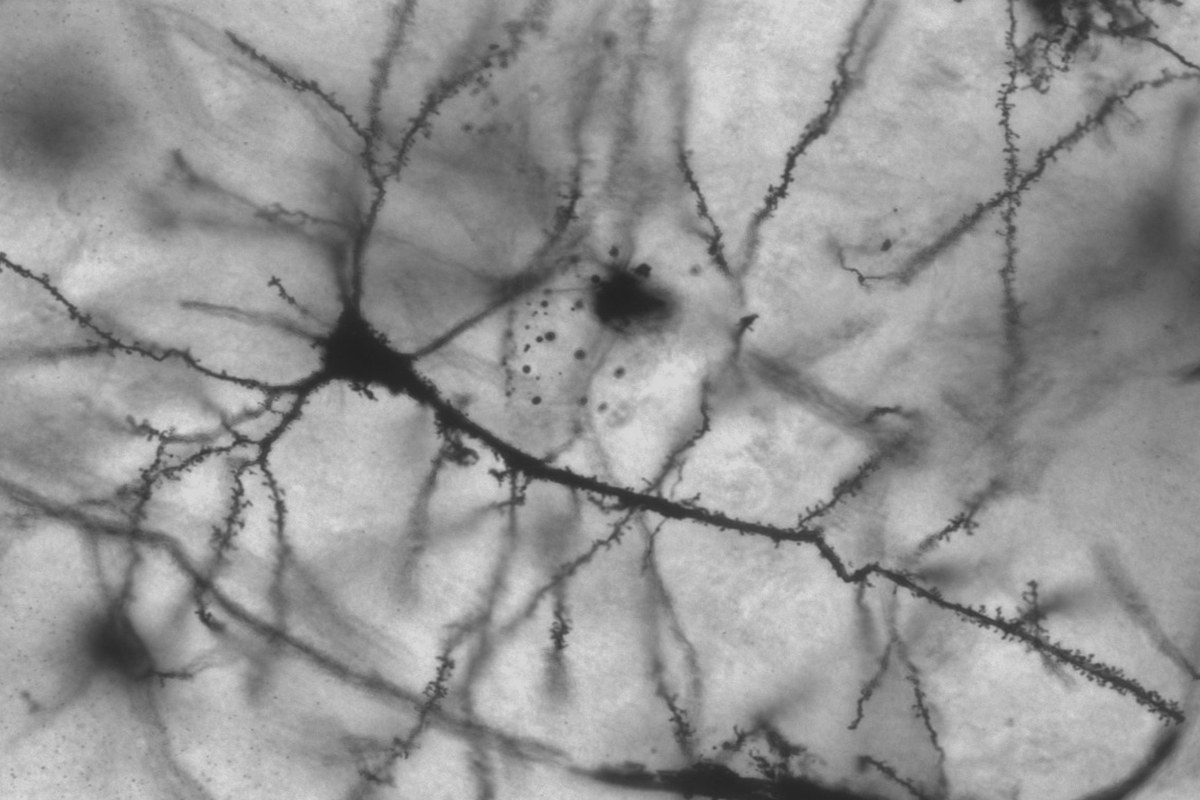
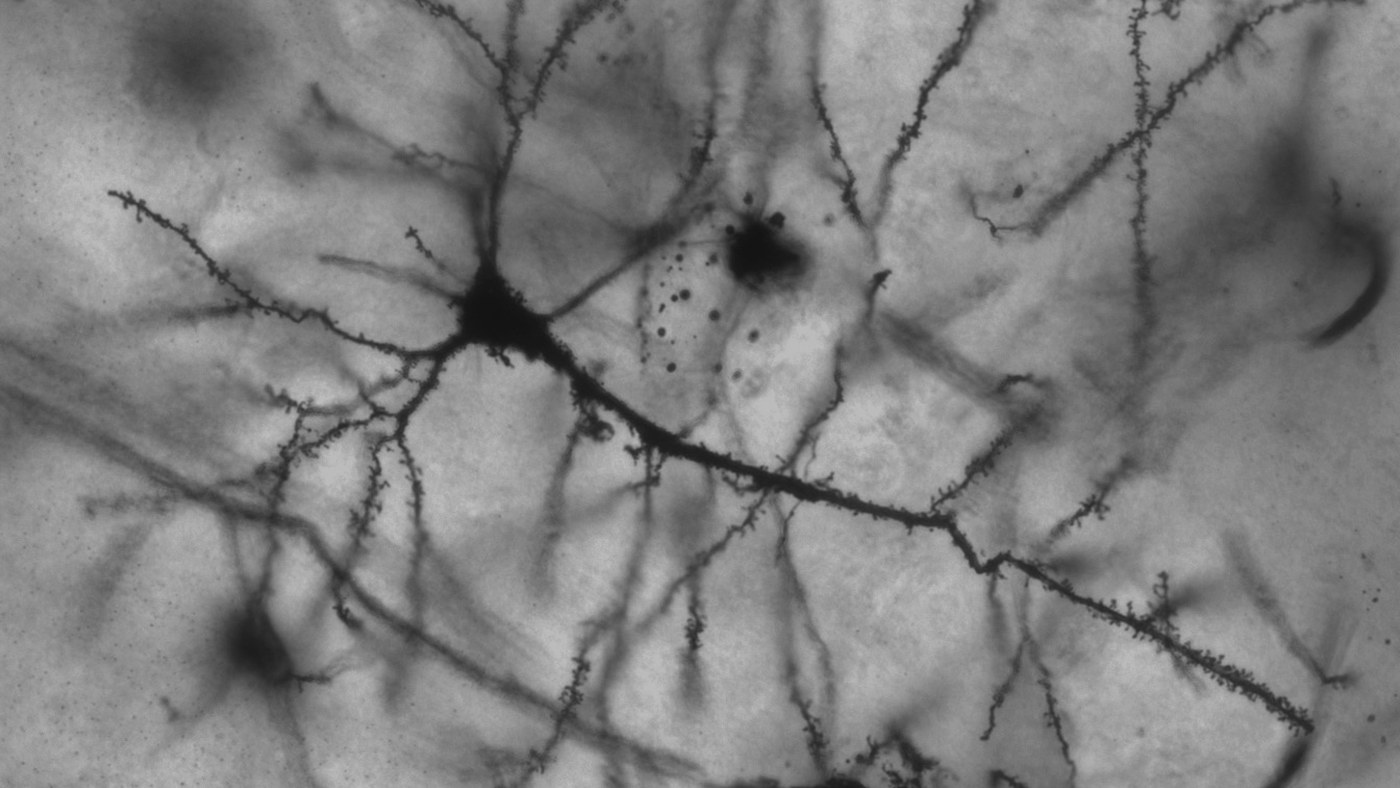
The team tracked not just the total number of synapses, but the survival of specific connections. The engram—the physical network of neurons involved in a learning event—was visualized using a method called eGRASP, which highlights synapses between neurons involved in the same memory. During artificial hibernation, engram synapses that stood alone on dendrites were eliminated, whereas those organized into dense spatial clusters were protected.3
Approximately one-third of these protected clusters sat on multiple synaptic boutons, a rare structure where a single axon tip connects to multiple spines. In contrast, this configuration occurs in only about 3.3 percent of randomly selected synapses. Interestingly, the spines within these clusters were not larger than their neighbors, suggesting that the traditional "large spine equals stable memory" theory does not account for this architecture.
What happens to connections after revival?
The team monitored the same dendrites over an eight-day period and found that 82 percent of the synapses that disappeared reappeared near their original locations. A control experiment proved critical in distinguishing these effects. When researchers used a combination of anesthesia and a drug that blocks synaptic growth, they observed a similar loss of synapses, but in this case, the fear memory was lost and the engram clusters were destroyed. This suggests that not all synapse pruning is equivalent; the architectural preservation seen in artificial hibernation is unique and not present under standard chemical sedation. Tanaka notes that the specific mechanism behind cluster protection remains an open question for the laboratory.4
What is proven and what remains unknown?
Tanaka emphasizes that the current study is correlational. Researchers currently lack the tools to directly disrupt the cluster architecture to test if memory retention definitively fails as a result. Lead author Yu-Ju Lin underscores this point, noting that while cluster preservation and memory retention occur together, a definitive chain of cause and effect has not yet been established. Preliminary observations in epilepsy models suggest that short durations of artificial hibernation may suppress seizure development, though these findings are outside the scope of the primary Science paper. There is no immediate clinical application for humans; while the neural circuitry is conserved in mammals, significant hurdles regarding safety, ethics, and scaling to larger organisms remain. The research by Lin, Takahashi-Nakazato, Sakurai, Tanaka, and their colleagues (DOI 10.1126/science.aee7004, August 13, 2026) demonstrates that in the mouse hippocampus, memory survives despite massive synaptic turnover.
Notes and Sources
- Lin, Y.J., Takahashi-Nakazato, A., Tsutsumi, K. et al. (2026). "Artificial hibernation reveals synaptic engram architecture associated with memory retention", Science. DOI: 10.1126/science.aee7004.
- Sakurai, T. et al. (2020). Induction of artificial hypothermia/hypometabolism in mice via Q neurons in the hypothalamus.
- OIST (August 13, 2026). "Artificial hibernation reveals secrets of long-term memory".
- Krywko, J. (August 2026). Summary of findings: synaptic reappearance post-revival and the role of cluster architecture.
This article is for informational purposes only and does not constitute medical advice. Findings are based on murine models. There is no claim of clinical application for human memory or disease treatment.