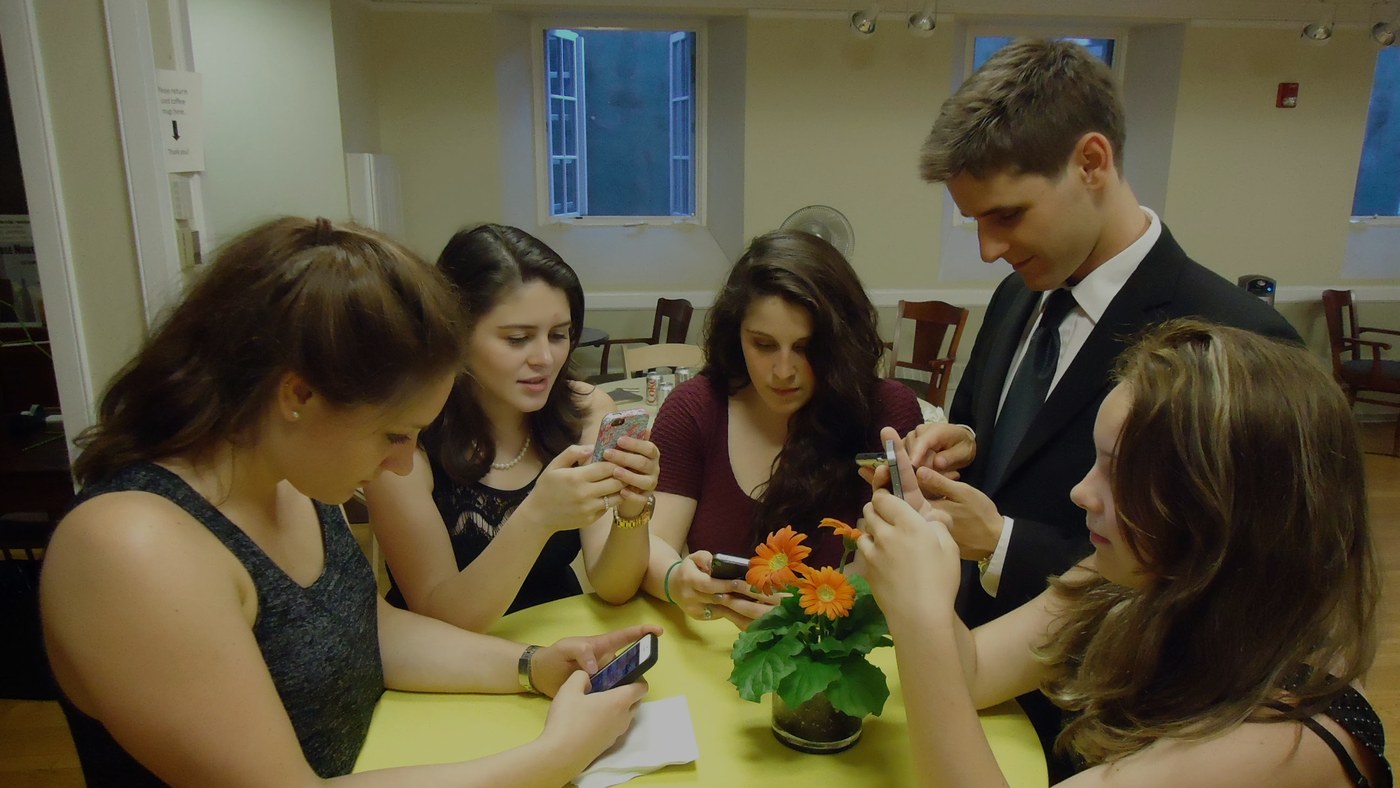
On December 10, 2025, Australia crossed a significant regulatory threshold. The Online Safety Amendment (Social Media Minimum Age) Act 2024 prohibited children under 16 from creating accounts on platforms like Instagram, TikTok, Snapchat, and other age-restricted services.1 As the first nation to implement such a stringent and universal age floor—rejecting even parental consent as an exemption—Australia made global headlines. The legislation places the burden of compliance entirely on the platforms, which face fines of up to 49.5 million Australian dollars for failing to enforce these boundaries.
- The ban went into effect on December 10, 2025, penalizing tech companies rather than individual users.
- eSafety data indicates account ownership dropped from 52 percent to 42 percent, but overall usage fell only from 86 percent to 82 percent.
- More than half of the children surveyed reported that they were never asked for their age.
- A BMJ study found no statistically significant decrease in daily usage among those under 16, highlighting the limitations of current enforcement.
What does the law mandate, and what does it omit?
The law requires social media providers to take "reasonable steps" to prevent Australian children under the age of 16 from maintaining accounts.1 This mandate applies to Facebook, Instagram, Reddit, Snapchat, TikTok, X, Threads, Twitch, Kick, and YouTube, while messaging apps and sites that do not require an account remain exempt. A critical loophole remains in the legislation: it does not prevent a child from accessing these platforms without logging in. Furthermore, the use of VPNs is not prohibited, and the expectation is that platforms must independently develop technologies to detect and block such circumvention attempts. Because there are no penalties for parents or children, the entire legal weight rests on the platforms' ability—and willingness—to enforce these checks.
What were the results after the first three months?
The Australian eSafety Commissioner assessed the impact by surveying 803 children aged 10 to 15 and their parents, both immediately before the act took effect and three months later.2 This serves as the first snapshot of a planned two-year study. The proportion of children holding at least one account on a restricted platform fell from 52.4 percent to 42.1 percent. However, the number of children who still engage with at least one restricted platform fell only from 85.9 percent to 81.5 percent. This four-point difference suggests that losing an official account does not automatically stop a child from accessing the content.
Why are the current restrictions failing to stop usage?
The primary reason cited in the report is that platforms are not taking age verification seriously. According to the survey, more than half of the children reported that their age was never verified. Approximately 37.1 percent stated they simply registered their age as 16 or older, while 18.2 percent reported that the platform's verification system erroneously approved their access despite their true age.2 
What lessons can be learned from international precedents?
The BMJ article notes that while similar age-verification mandates for pornography sites in the United Kingdom reduced access by 30 to 50 percent, the same success has not been replicated in social media.3 This is likely because social networks are woven into the fabric of daily adolescent communication, resulting in higher dependency levels than those associated with adult entertainment sites. The Australian government is currently debating increasing penalties for non-compliant platforms and granting the eSafety Commissioner broader oversight powers. 
Notes and Sources
- Parliament of Australia (2024). Online Safety Amendment (Social Media Minimum Age) Act 2024. Passed November 29, 2024; bans children under 16 from opening accounts on restricted platforms. Effective: December 10, 2025. Non-compliance penalty up to 49.5 million AUD; no penalties for minors or parents. ↩
- eSafety Commissioner (2026). Social media age restrictions: Three-month evaluation report. Survey of 803 children (10-15) and parents; account ownership 52.4% → 42.1%; general usage 85.9% → 81.5%. Primary failure factor: Ineffective platform age verification. ↩
- Assessing early effects of Australia's Social Media Minimum Age Act on adolescents' social media use (2026). The BMJ, 393, bmj-2026-363695. Observational study of 408 adolescents; found no significant decline in use among those under 16, citing common circumvention methods. ↩