A Culinary Renaissance in the Royal Capital
As the late autumn sun dips behind the spires of the Vistula River, the scent of melting cheese and toasted herbs drifts through the cool air of Krakow’s Old Town. For decades, the global perception of Polish dining was anchored firmly to the pierogi—the humble, boiled dumpling that defined a nation. Yet, beneath the shadow of a UNESCO World Heritage site first recognized in 1978, a quiet, vibrant revolution is simmering in the street food stalls of this royal city.
This evolution is gaining global attention. Digital travelogues like the viral video tour Europe's MOST Underrated Food City! Polish Street Food in Krakow have captivated an audience of 0.7 million viewers, highlighting a growing hunger for the authentic, unpretentious flavors of Lesser Poland. But beyond the screen, the reality is more nuanced: it is a story of reclaiming heritage through the lens of modern, high-quality ingredients.
The Evolution of the Street Corner Staple
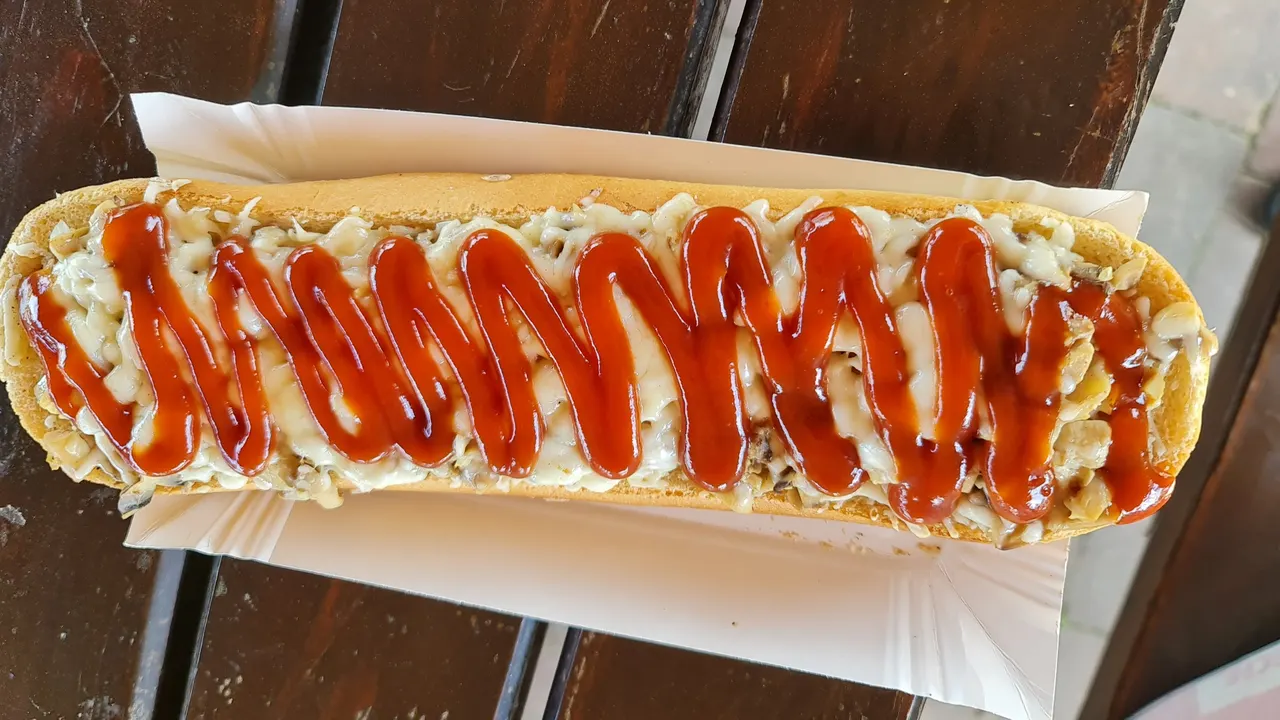
At the heart of this movement is the zapiekanka. Since the 1970s, this toasted open-face sandwich—traditionally a halved baguette crowned with sautéed white mushrooms and melted cheese—has been the undisputed king of Polish street corners. Historically viewed as a utilitarian snack, the zapiekanka is currently undergoing a sophisticated metamorphosis.

Today’s vendors are moving away from the mass-produced versions of the past, opting instead for local sourdough, forest-foraged mushrooms, and artisan-crafted cheeses. By treating the humble bread base as a canvas for regional specialties, these stall owners are transforming a quick, budget-friendly bite into a dish that reflects the eclectic history of Polish agriculture. It is a masterful bridge between the quick-service convenience demanded by modern life and the deep, complex culinary roots that have shaped this nation for ten centuries.
According to a 2007 study from the Food and Agriculture Organization, 2.5 billion people eat street food every day, underscoring its vital role in the global food chain.
Ingredients Driven by History and Trade
Polish cuisine is a complex mosaic shaped by centuries of historical trade routes, religious observance, and a cultural exchange that spans the continent. Whether it is the robust use of pork, game, and seasonal vegetables, or the careful application of butter, cream, and wild herbs, the philosophy of à la polonaise—cooking in the Polish fashion—demands an understanding of balance. Modern street food vendors in Krakow are tapping into this heritage with renewed vigor.

They are working closely with small-scale producers to source seasonal grains and legumes, ensuring that even a simple hand-held meal carries the weight of the region's agricultural practices. This shift is not merely aesthetic; it is a declaration of quality. By prioritizing fresh, locally sourced components, the street food scene is proving that fast food does not have to sacrifice the nutritional depth or flavor complexity inherent in the traditional Polish kitchen.
A City Serving a New Future
With a metropolitan population of over 1.4 million, Krakow acts as a crucible where the academic, cultural, and artistic life of the nation meets the fast-paced demands of the 21st century. The city’s transition from a royal capital to a modern hub of innovation is mirrored in how its residents and visitors eat. Street food has become a bridge between the generations; it is where the hurried student grabbing a quick bite before a lecture meets the food enthusiast seeking the genuine taste of the Vistula riverbanks.
As these vendors elevate their offerings, they do more than just serve hungry passersby. They are curators of a culinary identity that refuses to be static. By taking the foundations of Polish seasoning—the mushrooms, the grains, and the rich, savory dairy—and applying a contemporary, ingredient-first lens, Krakow is proving that the most exciting culinary stories are often found on the street, wrapped in paper, and served hot beneath the watchful eyes of history.