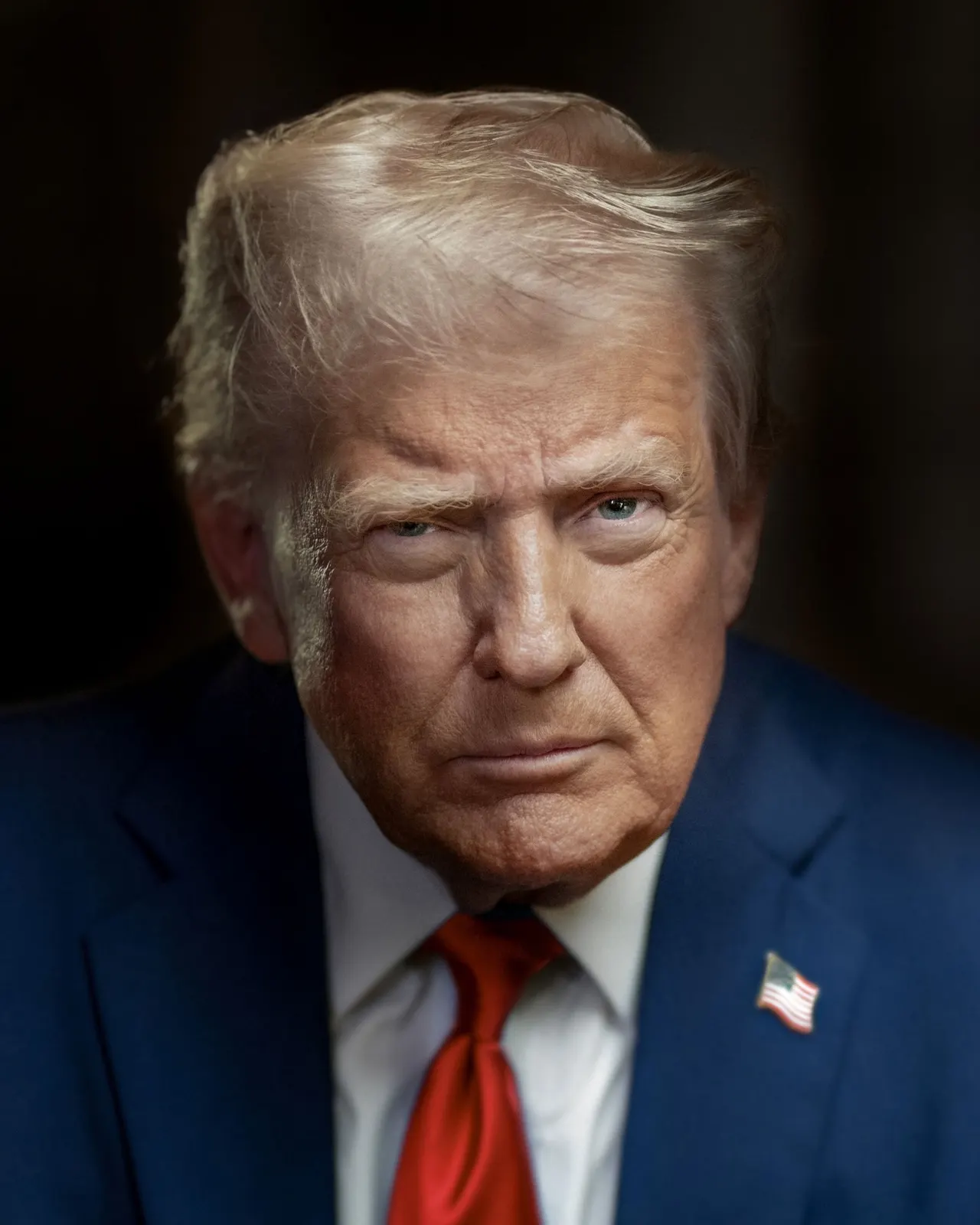
United States President Donald Trump arrived in Manila on Tuesday, November 17, 2026, to engage in regional diplomacy, including the 49th Association of Southeast Asian Nations (ASEAN) summit and discussions with leaders of the Quad alliance. During a trip scheduled to last 48 hours, the President landed at Ninoy Aquino International Airport, where he was welcomed by an honor guard and a musical performance before attending a gala dinner. His visit follows recent midterm election setbacks in the United States and precedes his travel to Shenzhen, China, for an economic summit and potential trilateral discussions with Chinese President Xi Jinping and Russian President Vladimir Putin.
How did the Philippines respond to the President's arrival?
The Philippine government extended an official welcome to the American delegation, preparing a gala event for the President to serve as the guest of honor during the regional gathering. However, the atmosphere outside official venues was marked by significant civil unrest. Protesters, including students, indigenous community members, and various activists, organized mass demonstrations to express their opposition to the visit and the current state of U.S.-Philippine relations. These groups have publicly voiced dissatisfaction with government policies, including the nation's participation in an American-led supply chain initiative known as Pax Silica. While the Philippine government requested that citizens avoid actions that might negatively influence the nation’s international image, the local police presence was bolstered in response to ongoing disturbances. According to data reported by Time, authorities arrested more than 200 people during initial confrontations occurring on the Sunday prior to the President's arrival, with protest organizers predicting that upward of 10,000 individuals would participate in demonstrations as the presidential aircraft landed.
"Our countries are the four corners of a free, open, stable and prosperous Indo Pacific," President Trump stated while addressing the Quad roundtable, as reported by The Guardian.
What are the primary objectives of the Quad and trade discussions?
Upon his arrival, the President participated in a meeting with leaders from India, Japan, and Australia—the three nations that form the Quad security partnership alongside the United States. Indian Prime Minister Narendra Modi, Australian Prime Minister Anthony Albanese, and Japanese Prime Minister Sanae Takaichi joined the President at the Solaire hotel to discuss maritime security, regional stability, and the advancement of critical technologies. Prime Minister Takaichi emphasized that the coalition aims to bolster the resilience of regional states to ensure they retain autonomy over economic and technological sectors. Beyond these security-focused talks, the President is slated to formalize a trade arrangement with Thailand. This agreement is expected to build upon a framework established in October 2025, which includes the removal of tariffs on various American goods and significant commitments by Thailand to purchase United States aviation and agricultural products.
What are the risks and concerns currently facing the international agenda?
The President’s itinerary occurs against a backdrop of complex global tensions and domestic instability in the United States. Reports from NPR note that the administration has dealt with significant disruptions to the domestic aviation industry and a scandal involving the departure of Nvidia’s Jensen Huang following allegations concerning an intelligence matter. Furthermore, the Quad partners have expressed concerns regarding elevated energy costs linked to the ongoing war in Iran, a conflict that the President discussed with reporters while in Manila. The President also signaled an intent to address potential security threats, including reports regarding the development of illicit explosive devices, while noting that he remains open to bilateral meetings with world leaders if time permits. As the ASEAN summit concludes, the focus for the U.S. delegation will shift toward the upcoming APEC summit in China, where the President plans to pursue a continuation of the trade truce concerning rare earth minerals and discuss the complex issue of global nuclear disarmament.

What remains uncertain following the current diplomatic engagements?
While the President has confirmed his intent to prioritize discussions on denuclearization and economic competition, several outcomes remain speculative as of Tuesday. Outlets have not confirmed the specific agenda for the anticipated trilateral meeting in Shenzhen, nor has there been a definitive resolution regarding the timing of a potential interaction between the U.S. President and North Korean leader Kim Jong-un. Furthermore, while the President has mentioned his willingness to meet with Vladimir Putin, the availability of such a bilateral session has not been formally verified by the Russian side. Discrepancies persist regarding the extent of the protest participation, with authorities maintaining a policy of maximum tolerance while civic groups claim that the government's alignment with U.S. interests, particularly regarding Pax Silica, has triggered widespread public backlash. The final impact of these discussions on the broader South China Sea non-aggression pact remains to be seen, as the regional summit concludes without a consensus on how member states will reconcile their maritime security interests with the competing influence of the United States and China.
Sources: This report draws on coverage by Facebook, The New York Times, The Guardian, NPR, TIME, The Washington Post, Al Jazeera, France 24. The wording is our own.