The dawn over the Andaman Sea does not arrive quietly on the eastern shores of Phuket. Longtail boats, their wooden hulls painted in indigo and red, cut through the turquoise calm with the guttural roar of modified truck engines. On the wooden piers, fishermen haul in woven bamboo traps dripping with saltwater, teeming with flower crabs, tiger prawns, and sea snails. It is a scene far removed from the manicured infinity pools and Western-style buffets of the western beach resorts, yet this early morning ritual represents the beating heart of Thailand’s largest island.
While millions of sun-seekers visit Phuket for its white sands, a growing international curiosity has begun turning its attention toward the island’s authentic coastal tables. A recent culinary video tour highlighting a giant lobster feast and Phuket crab curry drew over 3.6 million views, proving that global palates are increasingly hungry for the raw, unadulterated flavors of the Andaman coast. What these travelers discover beyond the tourist hubs is a complex, hyper-local gastronomy rooted in maritime geography and centuries of cultural convergence.
The Architecture of an Island Kitchen
Phuket’s identity as an island province—anchored off the west coast of mainland Thailand and connected to Phang Nga by the Sarasin Bridge—has dictated its kitchen for generations. Situated at an ancient trade crossroads in the Andaman Sea, the island absorbed centuries of influence from Hokkien Chinese merchants, Malay mariners, and indigenous coastal dwellers. This history refined a culinary tradition distinct from the central plains of Bangkok or the dry plateaus of Isan.
Traditional Thai cuisine loosely falls into four foundational categories: tom (boiled dishes), yam (spicy salads), tam (pounded dishes), and kaeng (curries). On Phuket, these categories are radicalized by the sheer abundance of fresh seafood and an uncompromising reliance on volatile aromatics. While methods like stir-frying, deep-frying, and steaming were introduced from Chinese culinary traditions, the foundational flavors remain fiercely southern—characterized by heavy uses of fresh yellow turmeric, bird's eye chilies, shrimp paste (kapi), and wild betel leaves.

The essence of Phuket seafood lies in its immediacy; the catch of the morning dictates the menu of the afternoon, governed only by the heat of local chilies and the acidity of native citrus.
The Mastery of the Crab Curry
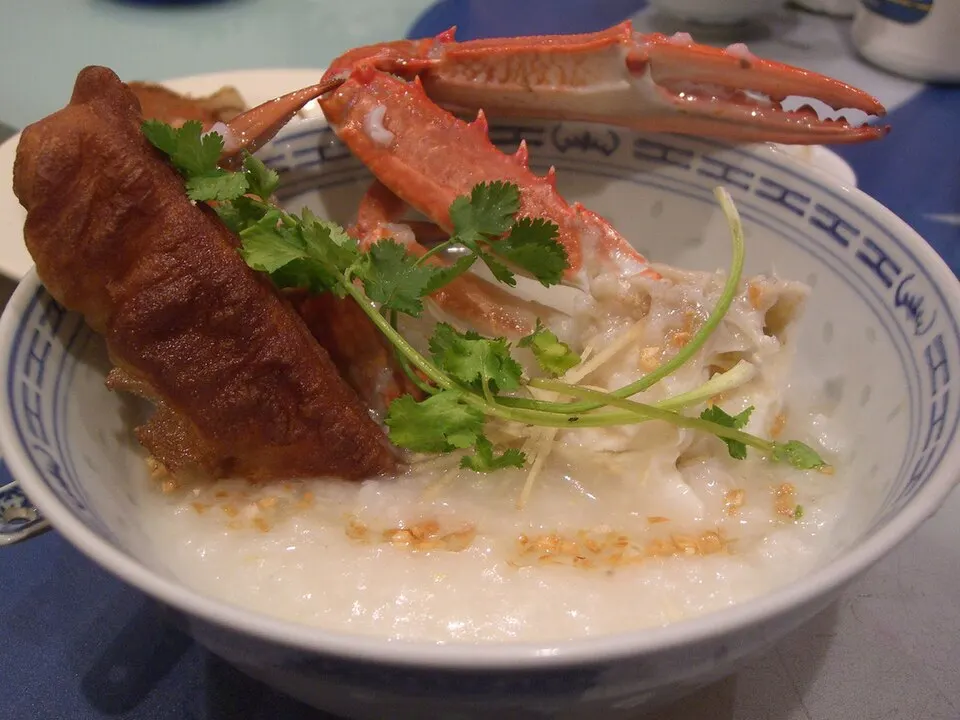
To understand the depth of Phuket’s coastal food, one must sit down to a bowl of kaeng poo, the island’s famed yellow crab curry. Unlike softer regional curries enriched with excess palm sugar, Phuket’s iteration is an uncompromising, fiery masterpiece. Fresh lump crab meat—sweet, delicate, and extracted hours after harvest—is folded into a thick, golden broth pounded from fresh turmeric, garlic, lemongrass, and fiery green chilies, finished with creamy coconut milk and shredded wild betel leaves (bai cha phlu).
Served alongside delicate nests of cool rice vermicelli (khanom chin), the dish encapsulates the balance that defines traditional Thai cooking: lightly prepared ingredients meeting intense aromatic heat. The sweetness of the fresh crustacean cuts through the scorching curry paste, showcasing how coastal cooks use seafood not merely as a protein, but as a cooling counterweight to aggressive southern spice profiles.
Preserving the Tide
In traditional fishing hamlets tucked along the eastern coves, cooking techniques remain deeply tied to the rhythms of the tide. Here, seafood encompasses far more than just standard fish fillets; shellfish including various species of molluscs and crustaceans are prepared using methods passed down through generations. Charcoal grilling over open flames brings out the natural brine of giant mantis shrimp, while sea snails are quickly blanched and served with tart dips of pounded green chili, garlic, and lime juice.

Even native marine vegetation finds its place on the table. Edible sea plants and local seaweeds, long harvested across Asia as nutrient-dense vegetables, appear as crisp side dishes or aromatic additions to sour seafood soups. This zero-waste, eco-conscious approach to the ocean is not a modern trend for Phuket’s coastal communities; it is an ancient survival logic born of island living.
Reclaiming the Island's Culinary Identity
As modern dietary guidelines across the globe increasingly advocate for the health benefits of ocean-based diets—recommending regular intake of fish and shellfish as part of a balanced lifestyle—Phuket’s age-old foodways feel strikingly contemporary. Yet, the true value of its seafood culture lies in heritage rather than health trends.
By looking past the international menus of the resort strips and venturing into the simple open-air eateries of the coast, visitors encounter a living history. In the pop of a roasted chili, the rich perfume of turmeric, and the pristine sweetness of fresh Andaman crab, Phuket’s fishing villages offer a taste of the island's true soul—one that remains stubbornly, beautifully tied to the sea.