A Culinary Tapestry Woven in Time
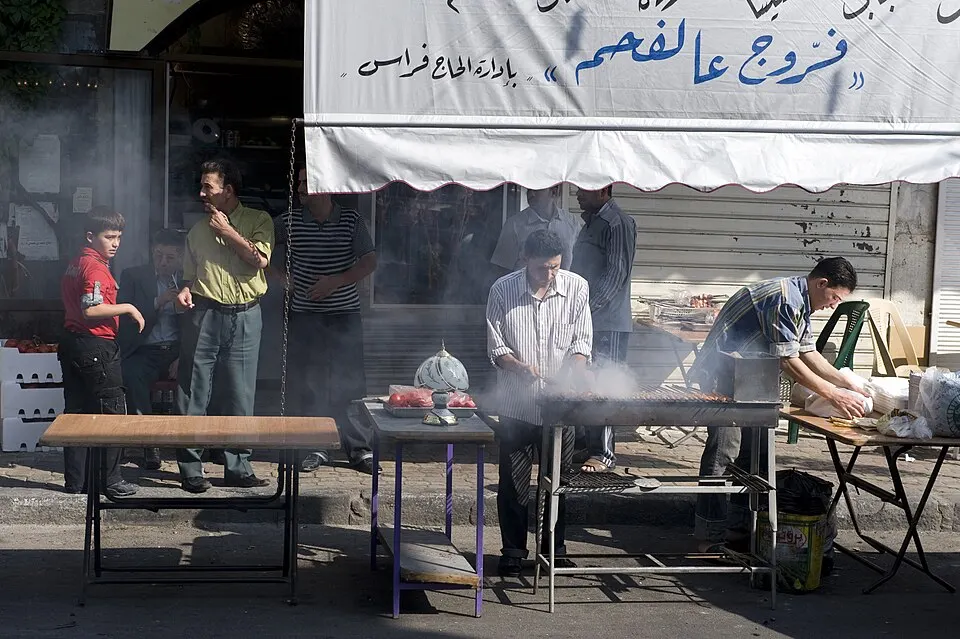
In the narrow, winding alleys of Damascus, the air is thick with the scent of toasted sesame, sharp garlic, and the lingering, sweet perfume of jasmine that earned this city its poetic moniker, the 'City of Jasmine.' As the sun rises over the oldest capital city in the world, a rhythmic choreography begins. Metal shutters clatter upward, carts are pushed into position, and the smoke from charcoal grills begins to dance against the ancient stone walls. Here, in the heart of the Levant, street food is far more than a convenient meal; it is the living, breathing social anchor of the city.
This enduring tradition has captured global fascination. A recent digital window into these streets—a video tour titled 'First Time in Syria!! 14-Hour SYRIAN STREET FOOD Tour in Damascus!!'—has garnered 3.6 million views, proving that the world remains hungry for the authentic stories told through Damascus’s kitchen windows and mobile carts. Yet, for the Damascenes themselves, the value of this food is measured not in clicks, but in the continuity of community.
The Ingredients of History
Syrian cuisine is an intricate mosaic of Mediterranean and Arab traditions, a legacy that traces back to ancient civilizations. It is a kitchen built on the bounty of the land: the earthy richness of eggplant and chickpeas, the brightness of lemon juice and mint, and the crunch of pistachios tucked into honeyed pastries. Whether one is grabbing a warm manakish pie topped with za’atar or finding sustenance in a bowl of ful medames, the ingredients reflect a deep, ancestral relationship with the soil of the Levant.
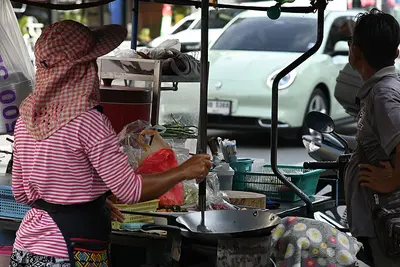
The street food scene is defined by its immediacy and its inclusivity. These portable booths and carts are the democratization of flavor. While global definitions of street food often categorize these offerings as simple fast food or finger food, in Damascus, they represent a communal ritual. To eat on the street here is to participate in a shared experience that links the laborer to the merchant, providing quick access to nutritious, affordable meals in the same way it has for generations.

Globally, a 2007 study from the Food and Agriculture Organization estimated that 2.5 billion people rely on street food for their daily nutrition, highlighting its role as a fundamental pillar of urban life and economic opportunity.
The Social Anchor of the Levant
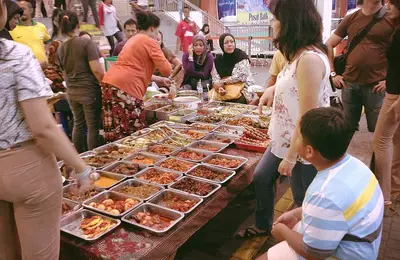
The structure of Levantine dining—characterized by a vibrant array of meze—transcends the limitations of a formal restaurant. The small, flavor-packed dishes like hummus, baba ghanoush, and tabbouleh are designed to be broken down, shared, and enjoyed in a way that prioritizes conversation over formality. Even as the city modernizes, the habit of gathering around a street-side vendor remains a bulwark against the anonymity of urban life.
The culinary landscape of Damascus is closely related to its neighbors across the Mediterranean and the Ottoman world, sharing threads with Greek, Egyptian, and Balkan traditions. Yet, the Damascene version is distinct, marked by a meticulous attention to balance. The use of pickled turnips, fresh cucumber, and vine leaves adds a specific acidity that cuts through the richness of grilled steak or seasoned meats, creating a flavor profile that is uniquely Syrian.
An Enduring Legacy
As the city moves forward, the endurance of these food traditions serves as a testament to the resilience of its people. The hawkers and vendors who populate the markets and parks are the custodians of a centuries-old culinary heartbeat. They provide more than just calories; they offer a sense of belonging. In a world where the act of eating is increasingly hurried and digital, the street food culture of Damascus reminds us that food is most potent when it is shared.

Whether it is the savory bite of a meat-stuffed kibbeh or the sweet, nutty finish of a pistachio-laden dessert, each morsel carries the weight of history. For the traveler or the local alike, eating in Damascus is an act of communion—a recognition that while regimes may rise and fall, the flavor of a city, sustained by its people on the street corners, is the most permanent monument of all.