A Morning Ritual Reimagined
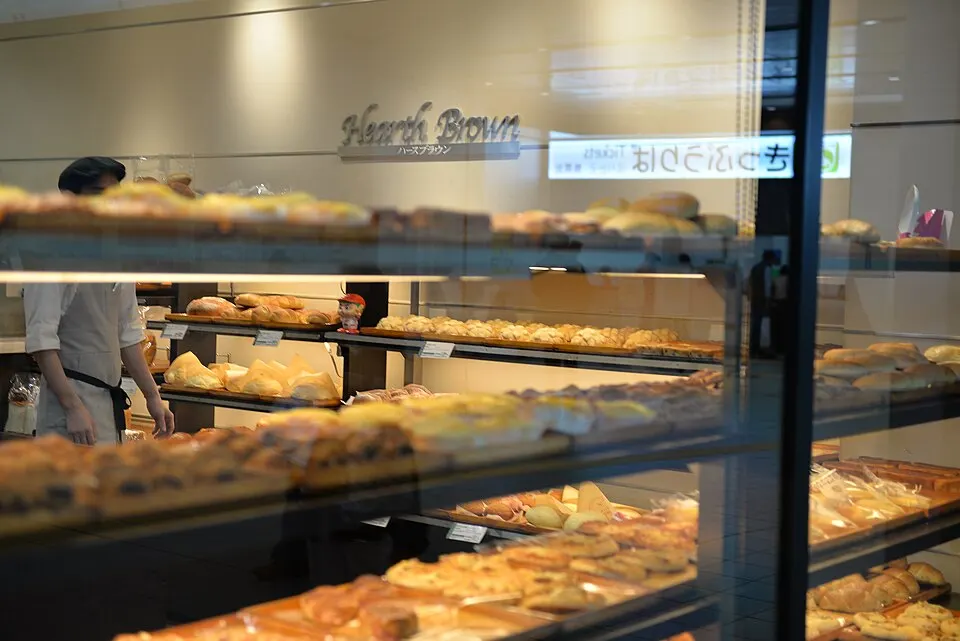
The scent hits you long before you reach the sliding glass door: a warm, heady collision of caramelized butter, dark rye, and the faint, earthy sweetness of stone-milled wheat. Inside, the shelves are not merely displays; they are curated galleries of texture and form. In a quiet neighborhood corner of Tokyo, a baker meticulously brushes an egg wash over a row of croissants that look less like pastry and more like architectural feats. The air is still, save for the rhythmic metallic snap of a cooling tray. This is the new Japanese bakery, a sanctuary where industrial-era baking techniques meet an obsessive, almost monastic dedication to the local landscape.
The global fascination with this quiet revolution is palpable. A recent video tour documenting the intimate processes of these artisanal shops has drawn 1.7 million views, a figure that underscores a growing international hunger for the Japanese approach to baking. While the world watches the screens, the real story is playing out in the flour-dusted air of these neighborhood hubs, where the distance between the field and the oven is shortening every day.
The Marriage of Precision and Terroir
Japan’s path to becoming a global bakery powerhouse was not accidental. It is rooted in a cultural predisposition for shokunin—the pursuit of mastery within a single craft. Historically, Japanese bakers adapted Western techniques with a rigorous scientific eye, experimenting with hydration percentages, fermentation cycles, and oven humidity levels until the chemistry was flawless. However, the movement today has evolved beyond mere imitation. It is now defined by a fierce commitment to regional ingredients.
Bakers are increasingly forming direct relationships with local wheat farmers in Hokkaido or sourcing heirloom grains from the Kyushu highlands. By treating flour as a seasonal, nuanced product—much like a sommelier treats wine—they are creating breads with a specific sense of place. This obsession with the origin of the raw material, combined with the technical brilliance of the bake, creates a product that feels both deeply familiar and radically new.

The technical rigor applied to the fermentation of a single sourdough loaf in Japan often involves a multi-day process where ambient humidity is monitored at hourly intervals, ensuring the crust achieves a specific, crackling resonance that is unparalleled in commercial baking.
Bread as a Cultural Anchor
In many parts of the world, a bakery is a place of utility. In Japan, these shops serve as neighborhood anchors, often tucked away in residential streets, functioning as a bridge between high art and everyday life. The baker is a local fixture, known by name, who engages in a slow dialogue with the community through their rotating seasonal menus. In the spring, you might find breads infused with hand-picked cherry blossoms; in the autumn, rolls filled with slow-roasted chestnuts from the neighboring prefecture.
This philosophy strips away the pretension usually associated with artisanal food. There is no snobbery in a perfectly laminated pain au chocolat handed over in a paper bag. Instead, there is a quiet pride—a recognition that the most sophisticated technical achievements should ultimately serve the purpose of nourishment and community joy.
The Future of the Neighborhood Loaf
As the influence of these bakeries spreads, they are challenging the global perception of what a staple food can be. The Japanese bakery reminds us that craftsmanship is not found in the exotic or the expensive, but in the repeated, disciplined act of improvement. By narrowing their focus to the local grain, the local climate, and the local customer, these bakers are proving that the most profound culinary experiences are often those found within a ten-minute walk of home.

We are witnessing a return to the essence of the bakery as a center of gravity. Whether it is an innovative charcoal-infused baguette or a meticulously proofed shokupan, the focus remains on the integrity of the ingredients. In these small, crowded, fragrant rooms, Japan has turned the simple act of baking into a meditation, inviting the rest of the world to slow down and appreciate the complexity hidden within a single, perfect slice of bread.