BRASÍLIA — Brazil has implemented new regulations governing workplace meal and food vouchers that require payment terminals to accept cards from a wider variety of benefit operators nationwide.
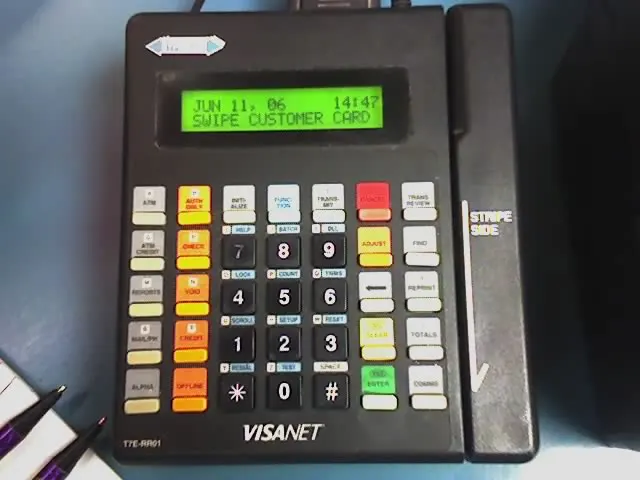
The updated framework mandates interoperability across the country's network of point-of-sale (POS) card machines, allowing consumers to use their employer-provided food allowances at a broader selection of merchant terminals. By opening the market to expanded operator compatibility, federal regulators intend to reduce transaction fees for merchants and provide greater flexibility for millions of Brazilian workers who rely on these subsidies for daily meals and grocery purchases.
What are the new meal voucher rules in Brazil?
The new meal voucher rules in Brazil enforce technical interoperability, requiring card-processing terminals to handle transactions from competing benefit providers rather than restricting users to exclusive network agreements. Under the updated system, workers can utilize their meal and food benefit cards across a broader array of commercial establishments, breaking down previous technological barriers that confined specific vouchers to designated payment machines.
The implementation of these measures proceeded despite efforts from sector representatives to stall the rollout. According to reporting by Vinetur, Brazil enforced the meal voucher interoperability rules despite industry delays and resistance from corporate groups seeking additional time to adjust their technical infrastructure.

Why did the Brazilian government introduce voucher interoperability?
The Brazilian government introduced voucher interoperability to foster market competition, lower operational costs for restaurants and supermarkets, and prevent large voucher issuers from maintaining exclusive arrangements with major payment processors. Prior to these rules, smaller food vendors frequently needed to maintain multiple card terminals to accommodate different voucher brands, incurring high rental fees and substantial transaction commissions.
Brazil enforced meal voucher interoperability rules despite industry delays.
For international readers, workplace meal vouchers—known locally as vale-refeição for prepared meals and vale-alimentação for groceries—form a central pillar of Brazil's labor benefits system. Regulated under federal labor frameworks, these subsidies represent a multi-billion-dollar market that directly impacts urban workforce compensation, merchant revenues, and the national financial technology sector.
What challenges does the meal voucher industry face?
The meal voucher industry faces operational adjustments as payment processing networks reconfigure their software to support open access for all authorized benefit operators. While trade associations representing traditional voucher issuers sought extensions to resolve technical and commercial compliance requirements, regulatory authorities maintained the deadline to ensure immediate market access for alternative providers.

Moving forward, the expanded compatibility reported by G1 is expected to reshape commercial relations between card acquirers, benefit companies, and retail merchants across Brazil. Financial regulators will continue monitoring system compliance to ensure terminal operators do not place artificial technical barriers on competing voucher brands.