Bulgaria faces a significant fiscal consolidation phase characterized by a planned reduction of 5,000 state-funded positions and a comprehensive freeze on public sector salary increases. The austerity measures are being enacted to manage mounting financial instability, as officials scramble to stabilize government expenditure amid warnings that the state budget lacks a clear path toward fiscal solvency.
Why is the Bulgarian government reducing state jobs?
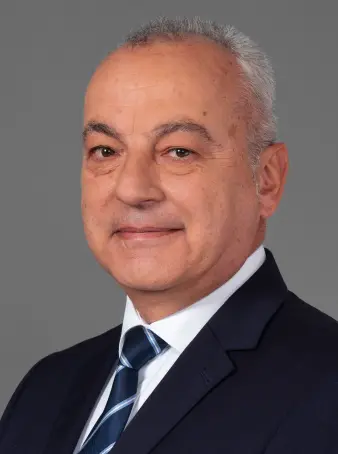
The Bulgarian government is cutting 5,000 state positions as part of a broader effort to contain public spending. According to reports from Dir.bg, Deputy Prime Minister Atanas Pekanov confirmed that these staff reductions are essential to address current fiscal constraints. The decision to trim the bureaucracy coincides with a broader policy to cease salary indexation, particularly affecting high-profile agencies such as the Ministry of Interior, where wage growth has been effectively halted.
How is the public sector responding to the wage freeze?
Public sector employees, particularly those represented by the Ministry of Interior unions, have faced firm resistance from the government regarding their demands for pay raises. Interior Minister Ivan Demerdzhiev has stated clearly that there are no available funds to accommodate salary increases at this time, as reported by Dnevnik.bg. This stance marks a definitive end to expectations of wage adjustments, leaving unions in a strained position as the administration prioritizes fiscal containment over compensation growth.

The 2027 budget is like a truck flying without brakes toward an abyss, but it does not even have a driver.
This assessment, attributed to economic experts cited by Dnevnik.bg, highlights the deep skepticism regarding the country’s current financial management. The metaphor underscores the structural issues plaguing the fiscal planning process, as the lack of administrative direction is viewed by analysts as a primary catalyst for the current crisis. For international observers, this serves as a critical juncture for a nation struggling to balance essential service delivery against the realities of a shrinking fiscal capacity.
What does this mean for Bulgaria’s economic future?
Bulgaria is navigating a challenging domestic landscape where the intersection of political uncertainty and economic pressure is creating a volatile outlook. The freezing of wages and the reduction of the state workforce represent the government's attempt to mitigate the risk of a wider financial collapse. As key figures like Pekanov and Demerdzhiev steer these austere policies, the success of the 2027 budget remains a point of intense contention, with economists continuing to warn that systemic reforms are necessary to prevent further degradation of the national economic framework.