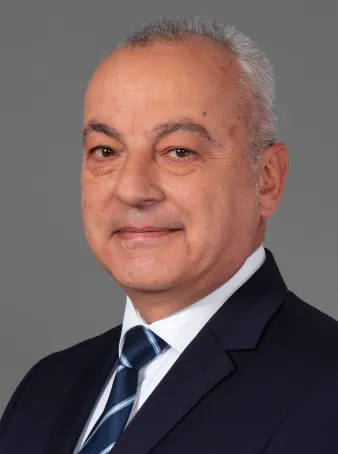
Caretaker Prime Minister Galab Donev faces accusations from the political party 'Yes, Bulgaria' of providing conflicting information to the European Commission regarding the Bulgarian state budget. Bozhidar Bozhanov, a prominent figure within the party, claims that official correspondence sent to Brussels concerning the second pillar of the pension system exists in two distinct versions, raising concerns about transparency in government communication with European authorities.
What are the allegations regarding the correspondence to the European Commission?
Bozhidar Bozhanov alleges that the government presented two differing versions of a letter to the European Commission concerning the handling of pension funds. According to reports from 'Yes, Bulgaria' and cited by the Bulgarian News Agency (BTA), these discrepancies involve the future of the second pillar of the pension system and its potential integration into the National Social Security Institute. The party argues that the government’s actions suggest a deliberate attempt to obscure the status of these funds from European oversight.

How has the government responded to claims of misrepresentation?
Galab Donev has rejected the allegations of misconduct, asserting that no funds from the second pillar of the pension system are being transferred to the National Social Security Institute. Despite these denials, the political climate remains tense as opposition members demand greater clarity. Temenuzhka Petkova, representing a critical viewpoint on the current administration's fiscal strategy, characterized the 2027 budget planning as a "plane without a pilot," citing a lack of coherent direction and accountability in current state financial management.

The controversy escalated after Bozhidar Bozhanov claimed that two separate versions of a crucial letter regarding pension funds were submitted to the European Commission, prompting immediate calls for transparency from opposition leaders.
Why is this dispute significant for Bulgarian domestic politics?
This conflict highlights deeper divisions within the Bulgarian political landscape regarding the management of public funds and the independence of state institutions. The situation has further strained media relations, with Bozhidar Bozhanov publicly accusing the Bulgarian National Television (BNT) of functioning as a propaganda channel for the caretaker government. As political factions trade accusations, the debate over the transparency of the national budget and the integrity of communication with European institutions remains a central issue in Bulgaria's domestic discourse.