What is the primary focus of the COP31 climate summit?
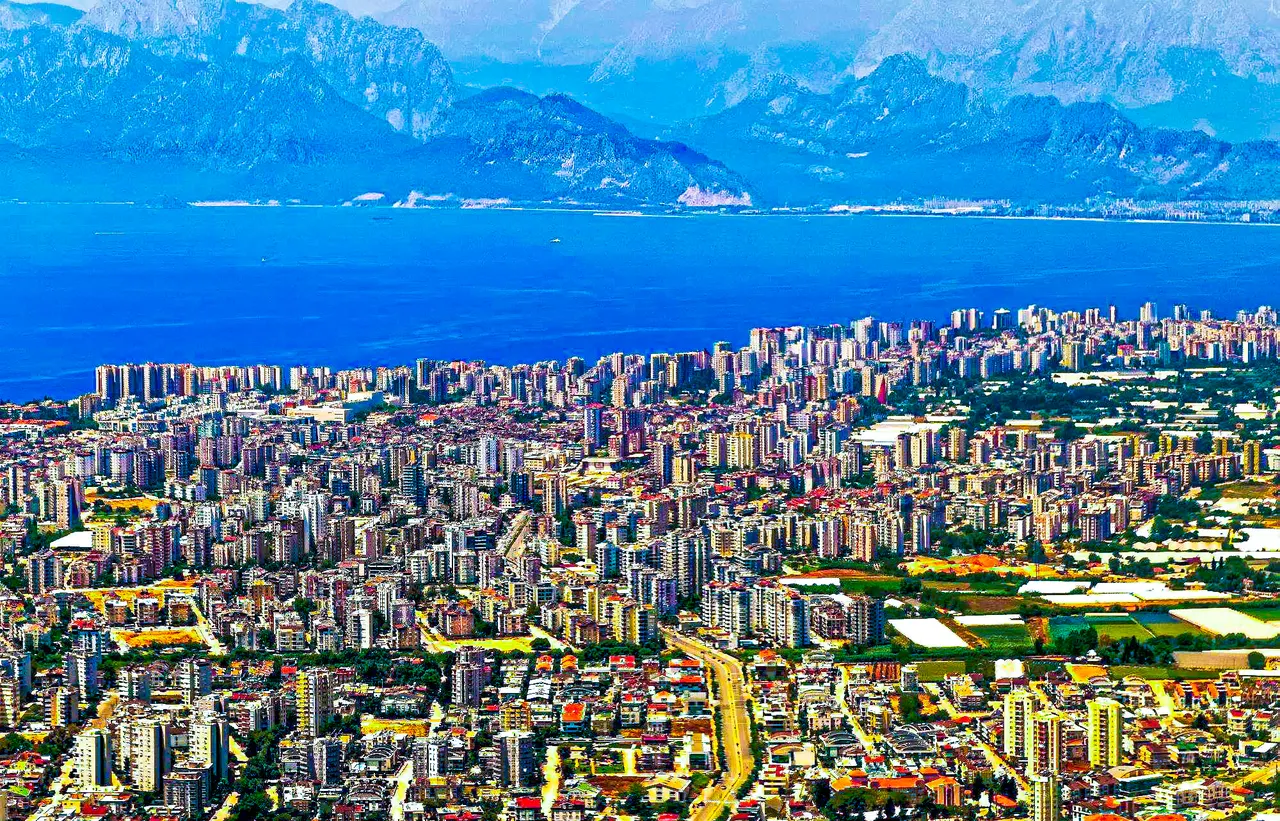
Representatives from more than 190 countries have gathered in Antalya, Turkey, for the 2026 UN climate summit, which officially runs from November 9 through November 20. The COP31 conference arrives during a period of intense global concern as planetary temperatures reach critical thresholds exacerbated by the convergence of fossil fuel reliance and a supercharged El Niño cycle. As nations prepare to negotiate, the event aims to translate global climate commitments into tangible, visible progress for international populations.
Which major powers are missing and what are the key agenda items?
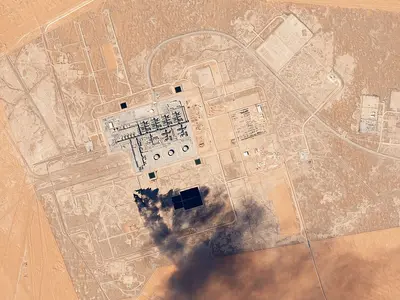
The absence of the United States remains a central point of discussion among attendees and international observers. Despite the void left by the U.S., the agenda is packed with critical topics, ranging from the integration of artificial intelligence in financial climate strategies to the inclusion of disability advocacy in policy discussions. Technical concerns are also at the forefront; satellite data has recently identified significant methane leaks from landfills near the Turkish host site, while international observers are simultaneously scrutinizing the host nation’s ongoing dependence on coal power.

The COP31 summit arrives at a time when the world is grappling with the cumulative effects of human-caused global heating, making the need for concrete results from international leaders more urgent than ever.
What are the expectations for the COP31 negotiations?
Expectations for the summit are characterized as modest, with various international officials and ministers pushing for concrete, measurable outcomes rather than broad, non-binding agreements. The host nation has implemented strict traffic management and logistical protocols across Antalya to accommodate the influx of diplomatic delegations. With the world currently facing multiple intersecting crises, the prevailing sentiment among many delegates is that failing to check the trajectory of climate change will only serve to compound the severity of existing geopolitical and environmental instabilities.

How is the summit addressing specialized climate challenges?
Beyond traditional energy transitions, the conference features a dedicated Health Pavilion organized by the World Health Organization to explore the intersection of environmental degradation and public wellness. Advocacy groups, including those representing disability rights, have pushed for inclusive climate agendas that account for vulnerable populations often overlooked in broad environmental policy. These specialized sessions reflect a growing recognition that climate action must be multifaceted, addressing everything from urban waste management and power grid electrification to the economic frameworks used by global financial institutions.