What is the history and status of the Phu Loc Champa tower?
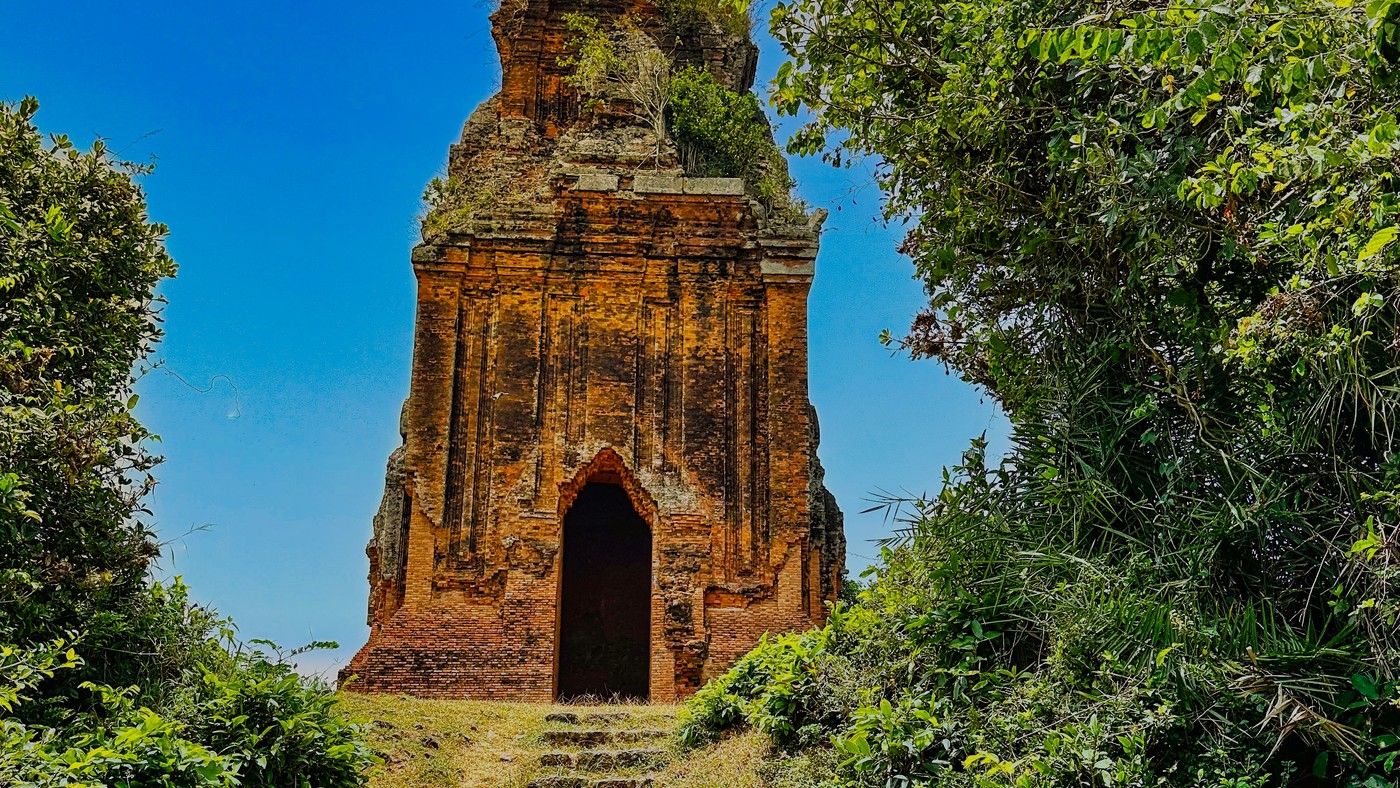
The Phu Loc tower in central Vietnam is often surrounded by two conflicting narratives. One frames the site as a romantic "lost temple," while the other confuses its technical specifications, frequently citing 76 meters as its height. In reality, 76 meters refers to the elevation of the hill upon which the tower sits, while the tower itself stands approximately 15 meters tall.12 By focusing on institutional data rather than anecdotal folklore, we can categorize Phu Loc as a Champa structure dating back to the 12th century, registered in 1995, and currently requiring structural intervention with conservation planning scheduled for 2026–2030.34
Key Data Points
- Explaining why the tower appears isolated due to its specific topography.
- Calculating the age of the structure, which is approximately 900 years old.
- Analyzing the technical challenges of preserving original materials and form.
- Clarifying the conflicting measurements of the site, hill, and base.
What are the actual dimensions and architectural context of the Phu Loc tower?
Located near the former Champa center of Vijaya, Phu Loc is part of the late-period Champa architectural family. Its square plan, eastward-facing main entrance, and minimalist facade are consistent with regional building traditions.5 While academic sources vary slightly on exact dating, the consensus places the tower in the 12th century.
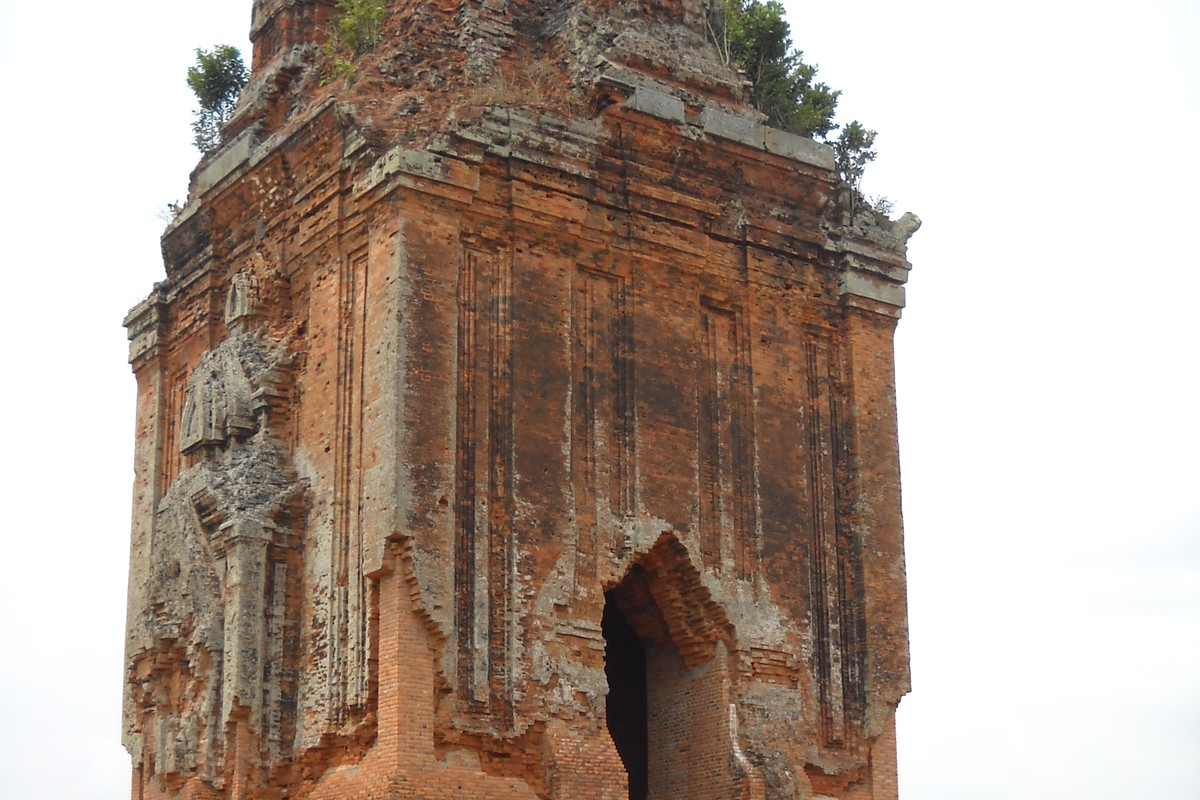
A common error involves conflating the hill's elevation with the tower's height. To summarize the site data: the hill rises 76 meters above sea level, the standing tower body is approximately 15 meters high, and the length of the base is 9.7 meters.12 Separating these figures is essential for effective conservation, as the engineering required for path stabilization differs significantly from the structural repair of the masonry. Misinterpreting these figures complicates the prioritization of intervention, as the behavior of cracks in the tower body requires a distinct technical approach compared to the stabilization of the surrounding terrain.
Notes and Sources
- Ministry of Culture, Sports and Tourism: "Bình Định đầu tư tu bổ, tôn tạo và phát huy giá trị tháp Chăm" (17.03.2023), official page. ↩
- Thanh Niên, "Gia Lai xây dựng đề án trùng tu ngôi tháp cổ gần 900 năm tuổi" (31.08.2025), news report. ↩
- Gia Lai Provincial Museum, "Tháp Phú Lốc" (05.09.2026), institutional record. ↩
- Ministry of Culture, Sports and Tourism: Conservation and usage framework for Cham towers, official statement. ↩
- Wikimedia Commons, Category: Thap Phu Loc, file descriptors and location data, category page. ↩