Why has Delhi's air quality reached hazardous levels?
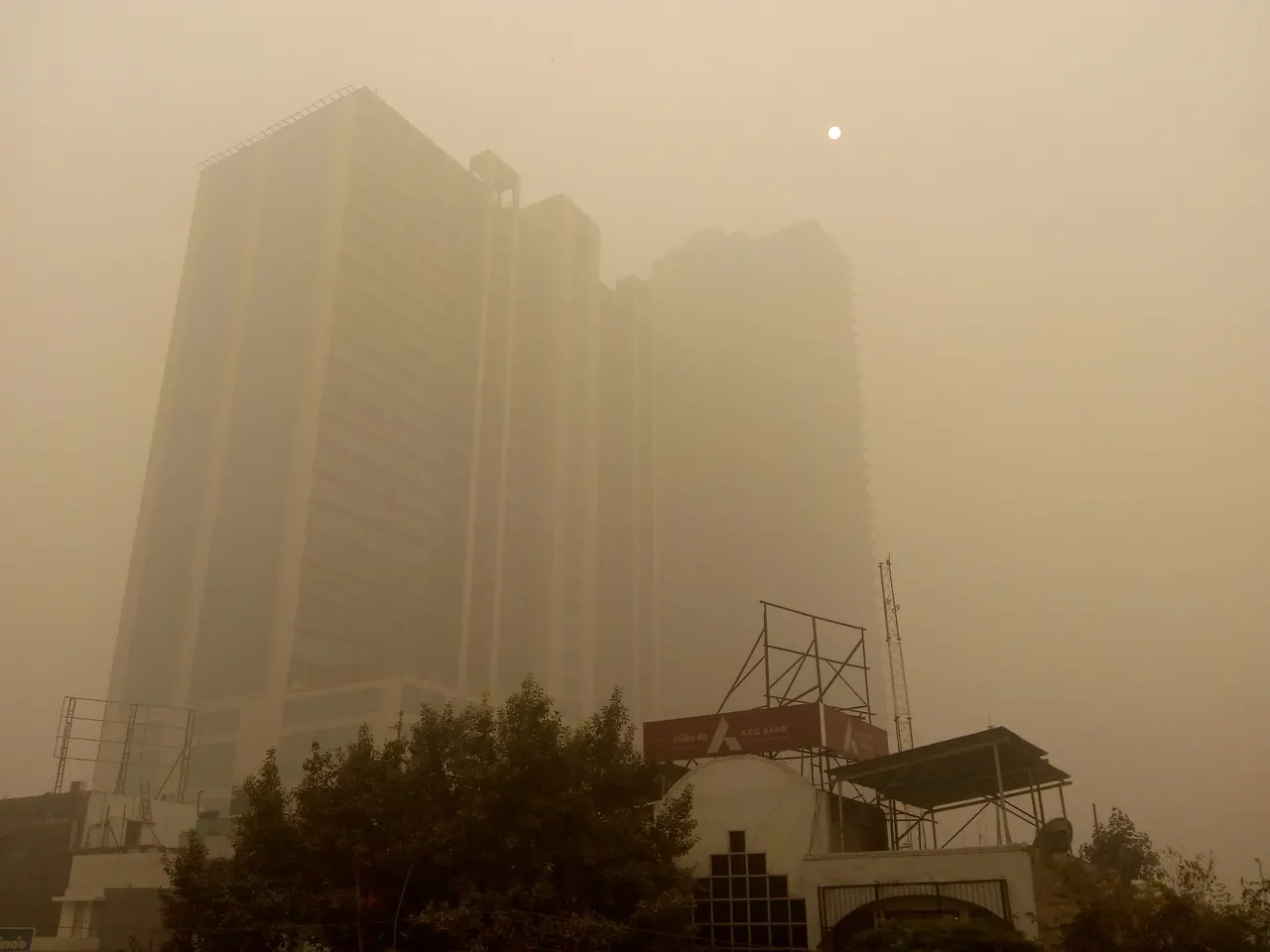
New Delhi and its surrounding National Capital Region (NCR) are currently experiencing a severe air quality crisis, with the Air Quality Index (AQI) surpassing 400 in numerous areas immediately after the Diwali festival. The dramatic decline in air quality, which some reports indicate reached hazardous levels exceeding 2,000 in specific monitoring pockets, is attributed to a combination of seasonal meteorological conditions and the widespread use of illegal firecrackers. Despite explicit government prohibitions on the sale and use of pyrotechnics, residents across the capital defied these mandates, exacerbating the existing atmospheric pollution that frequently plagues the region during the post-monsoon period.
How is political tension influencing the pollution crisis?
The environmental catastrophe has ignited an intense political confrontation between the Aam Aadmi Party (AAP), which governs Delhi, and the Bharatiya Janata Party (BJP). Political leaders and activists have traded accusations, with some BJP members blaming systemic corruption within the Delhi administration for the worsening conditions, while others have sought to politicize the festival itself. This rhetoric has expanded to include broader cultural and religious debates, as public figures from various parties engage in finger-pointing exercises rather than addressing the long-term infrastructure issues contributing to the toxic environment.
What are the discrepancies in current pollution data?
Significant confusion surrounds the accuracy of pollution reporting, as experts and citizens note a substantial gap between data provided by the Central Pollution Control Board (CPCB) and figures displayed on private monitoring platforms. Reports indicate that some official monitoring stations have gone offline during peak pollution windows, leading to widespread skepticism regarding the transparency of government-reported numbers. Observers are questioning why some localized monitors report AQI levels near 1,000 while official indices remain lower, creating a climate of uncertainty regarding the actual intensity of the public health threat.

Is the pollution crisis limited to the capital?
While New Delhi occupies the center of the national discourse, the air quality crisis extends well into the neighboring states of Uttar Pradesh and beyond. Recent data highlights that towns located merely 30 kilometers from the capital have recorded some of the highest pollution levels globally, effectively becoming epicenters of toxicity that rival or exceed those of the major metropolitan hubs. This geographic spread confirms that the atmospheric crisis is a systemic regional problem rather than an issue confined solely to the city limits of Delhi.
The World Health Organization (WHO) emphasizes that nearly four in ten cancer cases could be prevented through lifestyle modifications, noting that environmental factors, particularly long-term exposure to hazardous air pollution, constitute a critical, preventable health risk for global populations.
The persistent smog has prompted urgent concern from health experts who warn of the long-term impact on the respiratory and cardiovascular health of millions. As residents face increasingly unbreathable air, the failure of regulatory enforcement regarding fireworks and the politicization of the crisis have left the public questioning when, or if, effective interventions will be implemented to mitigate this annual, life-threatening phenomenon.