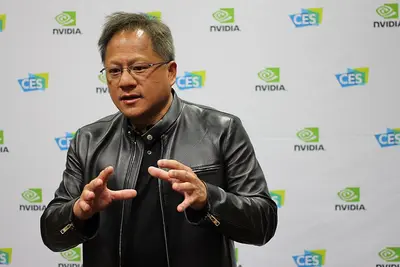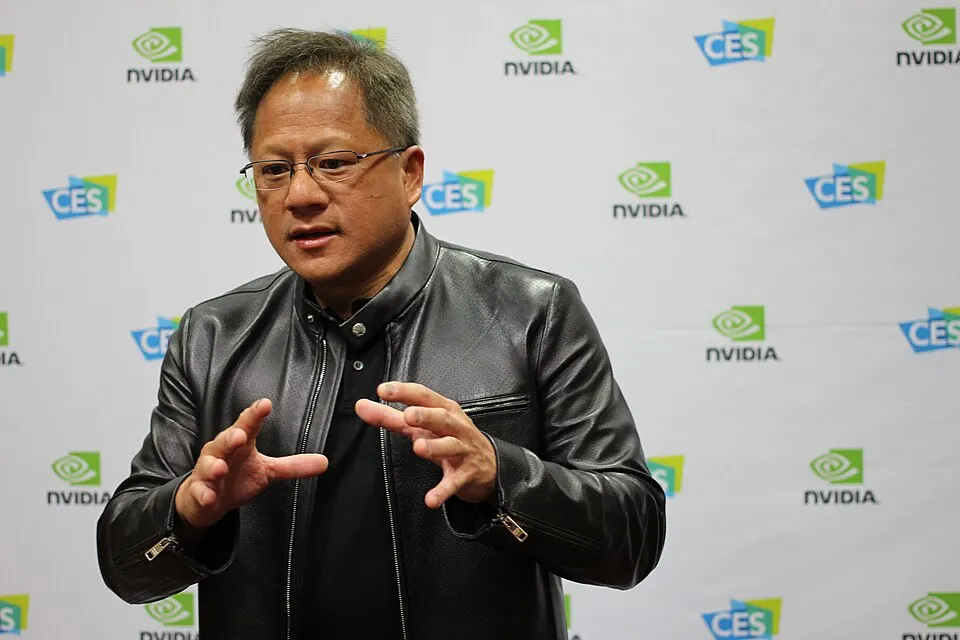
The resignation of Jensen Huang, the long-time head of Nvidia, on Thursday, November 12, 2026, has sent shockwaves through the global technology sector. Huang, who co-founded the firm in 1993, stepped down following reports of an affair with a woman U.S. officials suspect of being a Chinese intelligence operative. This scandal has evolved from a corporate leadership crisis into a significant national security investigation, drawing in members of Congress and casting a spotlight on the Biden administration's oversight of the semiconductor industry.
The Anatomy of the Crisis
The situation centers on the operations of Megaspeed, a company accused of facilitating the movement of approximately $7.5 billion worth of Nvidia chips to Chinese entities, circumventing U.S. export controls. Investigations are now focused on how this company, which operated with seemingly vacant offices in Southeast Asia, managed to gain access to high-end hardware. According to the Financial Times and The New York Times, there is significant internal conflict within the U.S. government regarding the oversight of these sales. Critics, including those within the administration, have alleged that Commerce Secretary Howard Lutnick maintained a “softer line” on Nvidia and faced delays in placing Megaspeed on a trade blacklist.
The revelations surrounding Jensen Huang, who resigned from Nvidia over extramarital affairs, inspired social media posts using the very technology his company helped develop.
The scandal has been compounded by reports from Reuters and The New York Times stating that beyond the primary affair, Huang was involved in a relationship with a second Nvidia employee who reported to him, further complicating the corporate governance aspect of his departure.

Key Actors and Competing Interests
- Jensen Huang: As the former CEO, his personal relationships have become a focal point for intelligence agencies investigating how Beijing might have gained leverage over key U.S. tech leadership.
- Howard Lutnick: The Commerce Secretary is under intense pressure. Scott Bessent has reportedly blamed the Commerce Department for the failure to effectively blacklist Megaspeed, leading to calls for Lutnick’s resignation as the department faces scrutiny over its industrial oversight.
- The White House and Congress: President Trump has reportedly suggested that Apple’s Tim Cook should replace Huang at Nvidia, calling him a “legend,” while Congress has summoned Huang to testify regarding his potential vulnerability to foreign espionage.
- Megaspeed: The firm at the heart of the scandal has pledged to cooperate with U.S. inspections, despite reports from Fortune detailing a complex network built across Singapore and Malaysia to evade trade restrictions.
Scenarios for the Global AI Supply Chain
The impact of this scandal on US-China tech relations remains volatile. Several paths appear likely depending on the findings of ongoing congressional and intelligence inquiries:
Path One: A Shift Toward Hyper-Regulation. If the investigation confirms that systemic intelligence infiltration allowed China to secure prohibited AI hardware, the U.S. government may implement a more aggressive, blanket approach to chip export controls. This would likely result in significantly stricter “know your customer” requirements for semiconductor firms and potentially lead to the decoupling of smaller, opaque entities like Megaspeed from the broader global supply chain.

Path Two: Corporate Restructuring and Market Correction. With Huang’s exit, Nvidia faces a transition period. If a figure like Tim Cook were to assume the helm, as the Trump administration has suggested, the company might prioritize regulatory compliance over aggressive market expansion in contested regions. However, if the scandal leads to a prolonged leadership vacuum, the resulting instability could provide competitors in the semiconductor space with an opening to capture market share, potentially altering the dominance of the US-led AI ecosystem.
What to Watch
As the situation unfolds, market participants and policy analysts are monitoring several indicators. First, the outcome of Jensen Huang’s testimony before Congress will likely clarify the extent of his knowledge regarding Megaspeed’s activities. Second, any official action taken regarding Secretary Lutnick’s position at the Commerce Department will signal the administration's willingness to hold its own officials accountable for export control failures. Finally, fluctuations in Nvidia’s stock price and any subsequent moves by the U.S. to tighten trade laws regarding AI data center hardware in Singapore and Malaysia will serve as a barometer for how deep the “spy war” has penetrated the commercial reality of the industry.
Sources: This report draws on coverage by The New York Times, The Guardian, BBC News, Al Jazeera, TIME, Reuters, CBS News, Financial Times. The wording is our own.