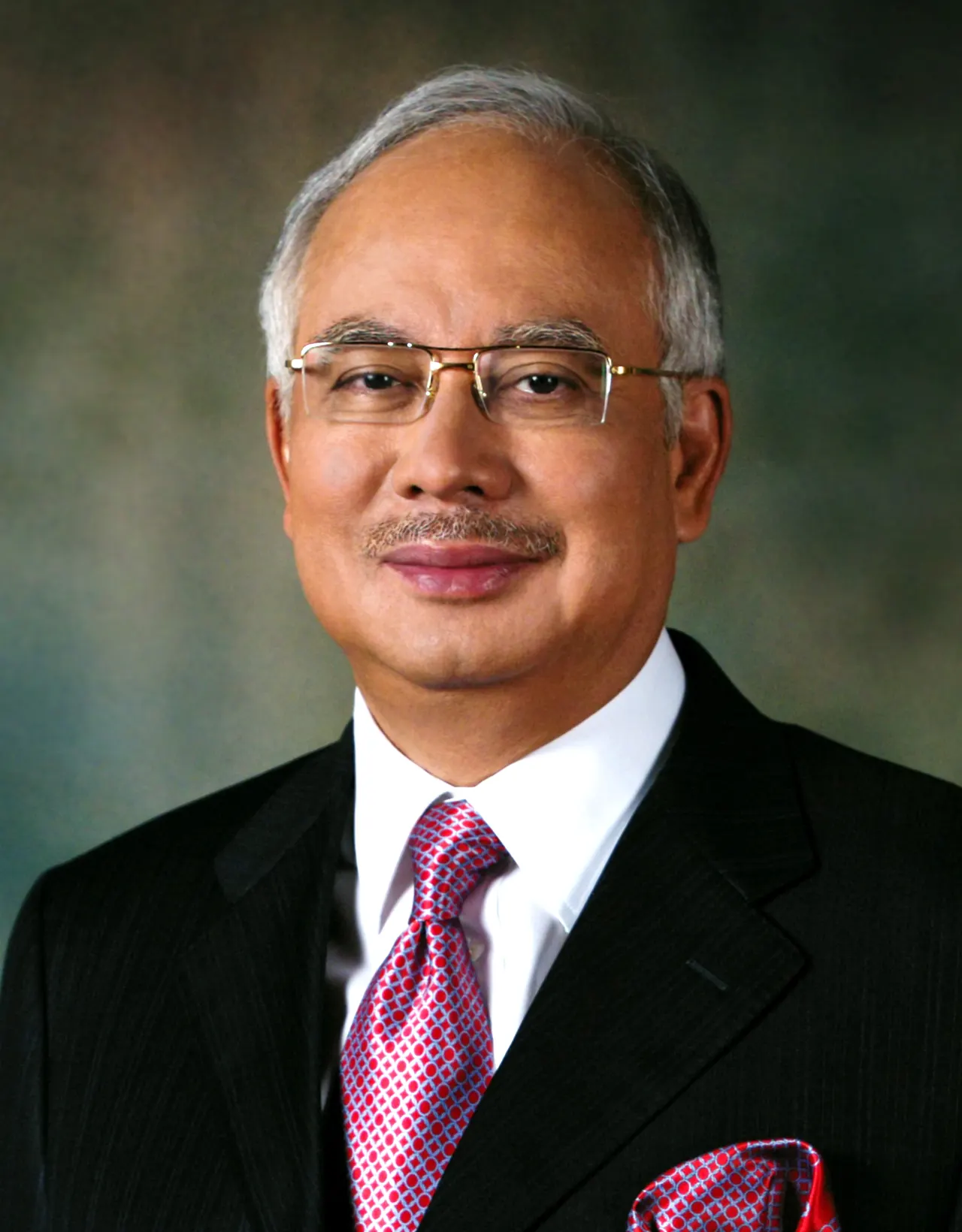
Former Malaysian Prime Minister Najib Razak was moved from a correctional facility to his residence in Kuala Lumpur on Tuesday to serve the remainder of his criminal sentence under house arrest following a High Court ruling. The 73-year-old politician, who led Malaysia from 2009 to 2018, was transported to his home in a police-escorted motorcade after legal hurdles regarding his transfer were cleared by the judiciary earlier the same day. This transition marks a significant shift in the detention of the first Malaysian leader ever to be jailed, allowing him to complete a reduced six-year term in his private mansion rather than a prison cell.
How did the transfer to house arrest occur?
The transfer of Najib Razak to house arrest was finalized on Tuesday after the Kuala Lumpur High Court issued a new directive effectively immediately, resolving a brief standoff between the government and the monarchy. Although the former leader was expected to be released last Friday after the United Malays National Organization (UMNO) paid a 50 million ringgit ($12.3 million) fine on his behalf, the attorney general initially halted the process to seek further legal clarity. This delay prompted a sharp response from the palace, where King Sultan Ibrahim Iskandar emphasized that his grant of clemency was unambiguous and must be followed without defiance. Following the court's confirmation, Najib reached his home in an exclusive neighborhood that has been officially designated as a federal prison for the duration of his stay.
What are the conditions and duration of his confinement?
Najib Razak will remain under house arrest until August 23, 2028, as part of a shortened sentence related to his first corruption trial involving 42 million ringgit from SRC International. According to his lead counsel, Muhammad Shafee Abdullah, the arrangement remains a form of incarceration despite the change in venue. As reported by DW.com, Shafee noted that his client "can't leave the house unless he gets special permission or for a special reason." While his initial 12-year sentence was halved through royal intervention, the current house arrest mandate only covers this specific conviction. The former leader continues to deny any intentional wrongdoing, maintaining that he was misled by financial advisers and the fugitive businessman Jho Low during the multi-billion dollar 1MDB sovereign wealth fund scandal.

"It’s a final relief, you know, great sigh to him because he has been waiting for this," Najib's lawyer Muhammad Shafee Abdullah told reporters as quoted by abcnews.com.
What is the history of the 1MDB scandal?
The 1Malaysia Development Berhad (1MDB) scandal involves the systematic embezzlement of approximately $4.5 billion from a state investment fund co-founded by Najib Razak during his premiership. Prosecutors and global investigators, including those from the United States, alleged that more than $1 billion of these siphoned funds were funneled into bank accounts belonging to Najib. The BBC reported that the stolen assets were used to purchase high-end real estate, artwork, and a luxury yacht, while also providing financing for the Hollywood production "The Wolf of Wall Street." The fallout from the scandal ended the six-decade rule of Najib’s party in 2018 and eventually led to his imprisonment in August 2022. While he issued a formal apology in 2024 for his role in the fund's mismanagement, he has consistently fought the criminal charges in court.
What happens next for the former Prime Minister?
The long-term freedom of Najib Razak remains uncertain as he faces a second, more substantial prison sentence that has not yet been resolved. In December 2025, he was handed a separate 15-year term for money laundering and power abuse involving 2.3 billion ringgit ($569 million) from 1MDB, a conviction he is currently appealing. If this legal challenge fails, Najib could be forced to return to a standard prison facility once his current house arrest concludes in 2028. Furthermore, the decision to allow house arrest has sparked political internal friction; Bloomberg.com reported that Transport Minister Anthony Loke resigned from his post to voice his opposition to the arrangement. It remains unclear whether the government will face further legal challenges from critics who argue that Malaysian law lacks a specific provision for serving such sentences at home.

Sources: This report draws on coverage by Al Jazeera, DW.com, BBC, abcnews.com, The Economic Times, The New York Times, The Washington Post, Bloomberg.com. The wording is our own.