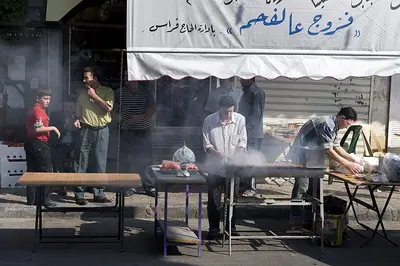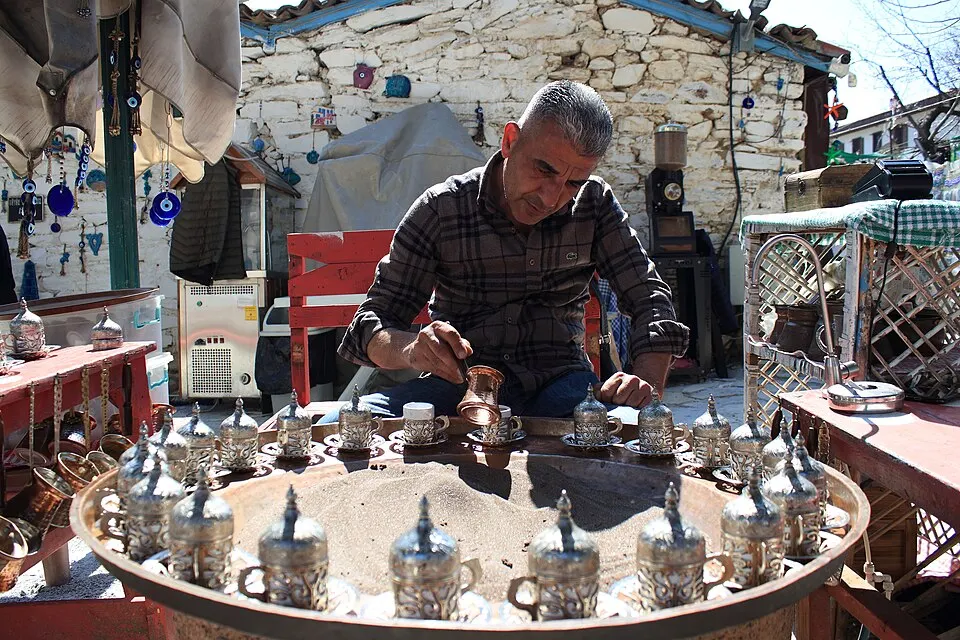
In a dimly lit alleyway, the sharp, smoky aroma of cracking wood intermingles with the heavy, caramel scent of dark coffee beans. Nearby, a vendor carefully buries a small copper pot into a bed of glowing, golden sand, watching as the dark liquid inside bubbles up in a velvety, sudden crema. Across continents, these physical transformations—turning hard seeds into aromatic liquid solace—happen millions of times a day, each region following its own sacred choreography.
The Four Fundamental Movements
At its core, the journey of coffee relies on a remarkably universal alchemy. Every cup on the planet demands four basic steps: raw coffee beans must be roasted, the roasted coffee beans must then be ground, the ground coffee must be mixed with hot or cold water for a specific time during brewing, and finally, the liquid extraction must be separated from the used grounds. Yet within this simple framework lies infinite cultural variation. Depending on local preference, the final liquid is often combined with sweeteners, dairy products, dairy alternatives, or spices to create a distinct sensory signature.
For centuries, coffee culture has represented much more than a quick caffeine hit; it is the definitive set of traditions and etiquette that surround the consumption of coffee, particularly as a social lubricant. Recently, a video tour that has drawn 1.7 million views online underscored this global fascination, showing how different cultures take those four fundamental steps and twist them into extraordinary local rituals.
From Sand Beds to Charcoal Roasts
In the Middle East and parts of the Mediterranean, the preparation of coffee remains a dramatic, slow-paced performance. Finely powdered grounds are combined with water and sugar inside a narrow-necked metal pot. Instead of being placed directly over a open flame, the pot is nestling into deep trays of heated sand. The soft, ambient heat allows the brew to rise slowly, creating a thick, rich foam without burning the delicate grounds. Drinking it is an exercise in patience—guests sit together while the dense suspended grounds settle slowly to the bottom of the cup.

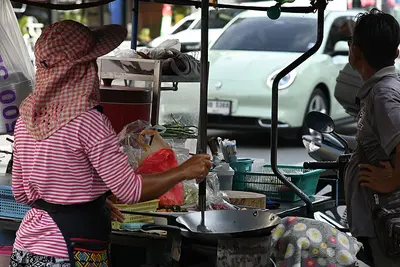
Travel east to Southeast Asia, and the sensory profile shifts dramatically toward dark, smoky complexity. Here, raw coffee beans are often roasted over open charcoal fires, sometimes tumbled with sugar or fats during the roasting phase to impart a glossy, rich coating. The resulting beans are ground and steeped using fabric filter bags, yielded an intensely strong brew that is traditionally sweetened with thick condensed milk. The contrast between the charcoal-roasted bitterness and creamy sweetness creates an addictive, refreshing elixir suited to the tropical heat.
Slow-brewed coffees are generally termed brewed coffee, while coffee extracted very quickly under extreme pressure is termed espresso—forming the two foundational pillars of global coffee drinks.
The Western Shift and Modern Pop-Ups
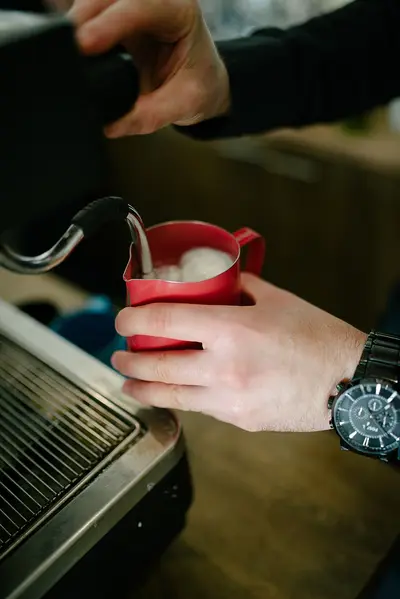
In contrast to the slow steeping methods of the East, Western coffee traditions spent much of the late-twentieth century rallying around speed and intensity. Espresso became an increasingly dominant drink contributing to coffee culture, particularly in Western urban centers. Extracted in seconds under high pressure, espresso provided a concentrated shot of coffee that served as the base for a sprawling taxonomy of beverages, from milky lattes to diluted Americanos.
Whether coffee is brewed slowly by drip, filter, French press, moka pot, or percolator, or pulled swiftly from a shining espresso machine, the foundational element remains unchanged. Today, coffee's flavor varies endlessly through additions of flavored syrups, sweeteners, alcoholic liqueurs, and even combinations of coffee with tea. In the early twenty-first century, mobile coffee carts and pop-up espresso bars have integrated seamlessly into this global coffee culture, bringing these specialty drinks and traditional brews directly to open-air markets, music festivals, and retail events.

Why the Daily Grind Still Matters
In an increasingly digital world, the physical ritual of coffee preparation offers a crucial anchor to time and place. The sound of beans cracking over charcoal, the sight of liquid rising in hot sand, and the hiss of steam from an espresso wand are sensory cues that bring people together. Coffee remains a powerful medium of cultural diffusion, proving that no matter how far a bean travels, its ultimate purpose is to bring us closer across a shared table.