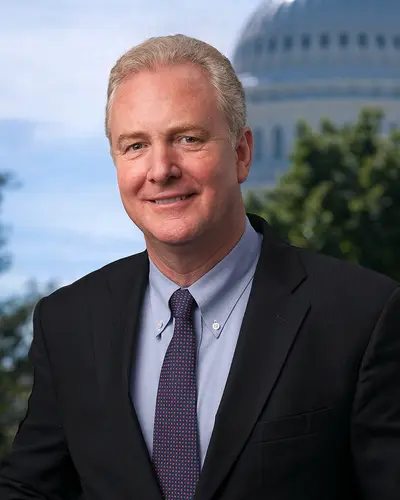
Gadi Eisenkot Seeks Government as Israel’s 26th Knesset Sworn In
Israel’s newly elected 26th Knesset was sworn in on Tuesday as former military chief Gadi Eisenkot launched a bid to form a government and oust caretaker Prime Minister Benjamin Netanyahu. Although Eisenkot holds the presidential mandate, both political blocs remain short of a parliamentary majority following the October 27 election.
W
World Desk
4 min read0 views
Israel’s 26th Knesset was officially sworn in on Tuesday as opposition leader Gadi Eisenkot embarked on a 28-day window to form a coalition government and end Benjamin Netanyahu’s tenure as prime minister following the October 27 national election.
How did the Knesset vote split between Eisenkot and Netanyahu?
Neither major political bloc achieved an outright majority in the 120-seat legislature. Gadi Eisenkot’s four-party Yashar alliance secured 48 seats in the October election, while Benjamin Netanyahu’s coalition won 53 seats. Despite holding fewer seats overall, Eisenkot received more recommendations from incoming lawmakers during consultations with President Isaac Herzog, earning him the initial 28-day presidential mandate to form a government, which can be extended by up to two weeks if necessary.
Watch: New Israel parliament to be sworn in as Eisenkot works to form new govt • FRANCE 24 English — FRANCE 24 English
The parliamentary makeup underwent a significant shift, with 47 first-time lawmakers taking their oaths of office and female representation reaching 33 members. Yonathan Shalev of the B'Yachad party became the youngest member of parliament in Israeli history at age 24. A sharp increase in voter turnout among Arab citizens propelled the country's two Arab-led political alliances, the United Arab List and the Joint List, to a combined record total of 19 seats, placing them in a potential kingmaker position despite remaining excluded from Netanyahu's coalition plans and facing opposition from within Eisenkot's own bloc.
Why did tensions flare during the opening session of parliament?
The inaugural session was marked by sharp rhetorical clashes and floor protests as rival factions sought to assert control. Outgoing Prime Minister Benjamin Netanyahu delivered a speech warning lawmakers against relying on Arab parties, accusing those factions of working toward the destruction of the Jewish state and advocating for a broad national unity government to address security threats from Iran. Eisenkot forcefully rejected the remarks during a ceremonial toast, calling Netanyahu's address a "delusional, divisive, hate-filled and shameful speech, exploiting a state occasion" that demonstrated he was unfit to serve, according to the BBC.
"I am now even more convinced that he is unfit to remain in office for even one more minute," Gadi Eisenkot said following Benjamin Netanyahu's address, as reported by the BBC.
Gadi Eisenkot (Image: Wikimedia Commons)
Disruptions occurred throughout the swearing-in proceedings. National Security Minister Itamar Ben-Gvir heckled Joint List leader Yousef Jabareen during his oath of office. Lawmakers Yair Golan and Yoav Segalovich walked out during Netanyahu’s speech, while Joint List members departed the chamber during the singing of the national anthem. In contrast, Ra'am chairman Mansour Abbas and his party colleagues remained in the plenum for the anthem.
What legislative steps is the opposition taking against Netanyahu?
Opposition lawmakers have moved quickly to leverage their combined legislative majority to wrest control of parliament's agenda from the caretaker prime minister. The opposition immediately submitted a request to replace current Knesset Speaker Amir Ohana, a Netanyahu loyalist, with a new speaker who would oversee the legislative schedule.
Immediately following the swearing-in, Eisenkot’s Yashar party introduced a series of legislative measures backed by fellow opposition groups. These bills aim to establish an official state commission of inquiry into the October 7, 2023 Hamas attacks, enact prime ministerial term limits, and dismantle the judicial overhaul policies implemented during Netanyahu's previous tenure.
What background context frames this political deadlock?
Gadi Eisenkot, who previously served as the 21st Chief of Staff of the Israel Defense Forces from 2015 to 2019 and later as a minister without portfolio in Israel's emergency wartime cabinet, emerged as Netanyahu’s primary political challenger leading his new Yashar party. Netanyahu is Israel's longest-serving prime minister, having led the country for 19 of the past 30 years across multiple terms.
Gadi Eisenkot 1 (Image: Wikimedia Commons)
The current legislative standoff comes after President Isaac Herzog publicly warned parliament against triggering another round of elections. Herzog urged the new Knesset to focus on stability, compromise, and effective governance, emphasizing that the Israeli public urgently requires a functioning administration.
What happens next in the coalition process?
The immediate political outcome remains uncertain because neither leader has secured a guaranteed path to a 61-seat majority. Eisenkot has less than four weeks to negotiate a workable coalition agreement among highly divided political factions that hold conflicting views on partnering with or relying on Arab-led parties.
If Eisenkot fails to assemble a government within his mandated timeframe, President Herzog is expected to assign the mandate to a second candidate, most likely Netanyahu. If neither leader can form a coalition government, Israel will face another national election, during which time Netanyahu will remain in power as caretaker prime minister.