On a humid morning in the Maluku archipelago, the scent of crushed nutmeg and clove hangs thick in the sea breeze, just as it has for centuries. Here, in the eastern waters of Indonesia where the Halmahera plate collides beneath the Molucca Sea, lies a geographical and cultural crossroads connecting Asia and Oceania. For generations, these volatile, fertile islands held the secrets of the global spice trade, drawing merchant ships across treacherous oceans. Yet, while the spices of this vast nation shaped the palates of continents far away, the intricate, localized culinary traditions of the archipelago itself remained one of the world’s most understated gastronomic treasures.
That quiet status is rapidly changing. Today, global food lovers are turning their attention toward the rich, varied tables of the world's largest archipelago. The growing curiosity about this uncharted terrain is evident across modern media, including a popular video tour by OTR Food & History titled Indonesian Food: Southeast Asia's Last Culinary Frontier, which has drawn half a million views from eager audience members discovering the sheer complexity of Indonesian cooking for the first time.
An Archipelago of Six Hundred Kitchens
To speak of single "Indonesian cuisine" is to overlook the staggering diversity of a nation composed of approximately 6,000 populated islands—out of a mind-boggling total of 17,508. Spanning across the Equator, Maritime Southeast Asia represents a unique geographical domain; in fact, along with Timor-Leste, the southern portion of Indonesia makes up the only part of Southeast Asia positioned south of the Equator.
Across this expansive aquatic landscape live more than 600 distinct ethnic groups, each maintaining its own deep culinary heritage. The food of Indonesia is not a monolith, but a breathtaking collection of regional traditions shaped by hyper-local ecosystems. From the volcanic soil of Java to the dense rainforests of Sumatra and the coral-ringed shores of West Melanesia, every island crafts its identity through flavor. A single dish can transform completely within a few miles: coconut milk grows richer, chili pastes vary from sweet to searing, and native aromatics like galangal, lemongrass, and torch ginger are woven into complex bumbu—the foundational spice pastes that form the beating heart of Indonesian cookery.

"With more than 600 ethnic groups distributed across 6,000 inhabited islands, Indonesia’s culinary landscape is shaped by one of the most diverse ecosystems and cultural intersections on Earth."
Where Continents and Oceans Collide
The secret to Indonesia's profound depth of flavor lies in its history as a global highway. Bordered by South Asia and the Bay of Bengal to the west, East Asia to the north, the Pacific Ocean and Oceania to the east, and the Indian Ocean and Australia to the south, Southeast Asia has always been a place of convergence. Indonesia, sitting at the very anchor of these trade routes, absorbed influences from Chinese merchants, Indian traders, Middle Eastern travelers, and European colonizers.
However, rather than being eclipsed by foreign influences, native cooks masterfully integrated outside ingredients into indigenous techniques. Dutch colonial presence introduced European baking and stews, Indian traders brought fragrant curries, and Chinese immigrants introduced noodles and soy products like tofu and tempeh. In the eastern islands of the Moluccas, where Asian and Oceanian traditions blend naturally, seafood is prepared with raw, bright acidities and smoky roasts, contrasting sharply with the slow-simmered, rich beef rendangs of Western Sumatra.
The Last Frontier Steps into the Global Light
Why is this rich heritage only now taking its place in the international spotlight? For decades, neighboring cuisines in Southeast Asia enjoyed widespread international infrastructure, while Indonesia’s immense geographical dispersion made its food harder to categorize and export. A meal in North Sulawesi, dominated by fiery spices and smoked meats, bears little resemblance to the delicate, palm-sugar infused dishes of Yogyakarta in Central Java.

Now, a new generation of chefs, cultural archivists, and travelers are celebrating this regionality rather than trying to simplify it. Modern diners are seeking authenticity, complexity, and stories rooted in land and tradition. They are finding that Indonesian food offers an endless journey: fresh herbs pounded by hand in stone mortars, meats braised for hours until tenderly caramelized, and wild seafood grilled over coconut husks.
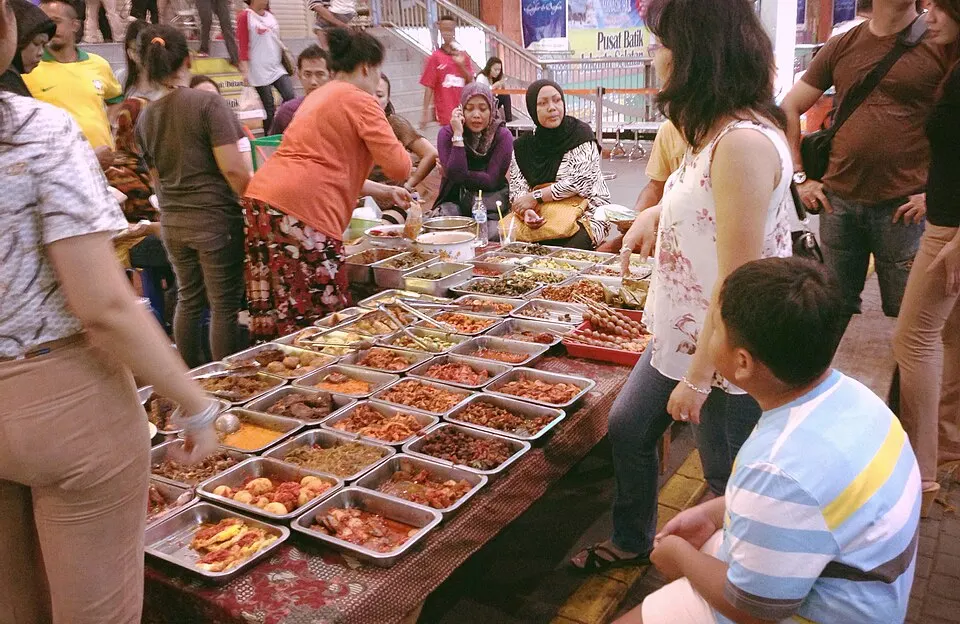
As the world looks toward the future of food, it is turning back to the ancient routes that started it all. From the tranquil shores of the Maluku Islands to bustling urban night markets, Indonesia is no longer Southeast Asia’s hidden kitchen—it is a triumphant feast centuries in the making, finally ready to feed the world.