Lowering Protein Intake May Slow Aging, Review of 350 Studies Finds
A comprehensive review of more than 350 studies suggests that consuming less protein could help slow biological aging and improve metabolic health. Discover what the evidence reveals about the complex relationship between dietary protein, cellular processes, and lifespan.
H
Health Desk
3 min read0 views
What the New Review Reveals About Protein and Aging
In recent years, public interest in the science of longevity has surged, with popular media such as the widely viewed documentary video "The Science of Aging" (which has garnered 3.2 million views) reflecting a growing desire to understand how daily dietary choices shape our biological clock. Now, a major synthesis of nutritional science is offering fresh perspective on one of the modern diet's central macronutrients.
A review of more than 350 studies published this week indicates that eating less protein could slow biological aging, improve metabolic health, and potentially extend lifespan. The findings challenge the popular and widespread belief that higher protein intake is universally superior for long-term health and vitality.
Watch: The Science of Aging — AsapSCIENCE
How Dietary Protein Intersects with Biological Aging
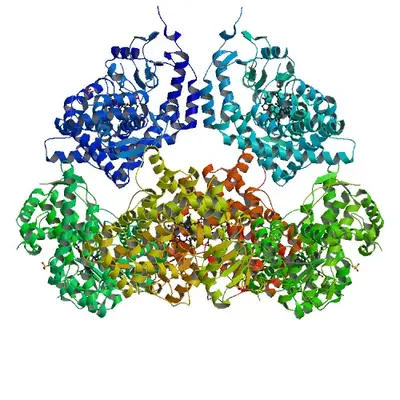
Proteins are essential nutrients for the human body, serving as structural constituents of tissue and an energy source providing 17 kilojoules of energy per gram. Biochemically defined by their amino acid composition and measured by nitrogen content, proteins support the body's metabolism—the fundamental set of life-sustaining chemical reactions that convert food into usable cellular energy and cellular building blocks.
However, the new review highlights a crucial nuance: while protein is indispensable for growth, muscle maintenance, and cellular repair, excessive intake may over-stimulate metabolic pathways involved in biological aging. By evaluating data across more than 350 distinct studies, researchers identified a consistent link between lower protein intake, enhanced metabolic health markers, and a potential reduction in the rate of biological aging.
Star pupil, 82 years old, reading her lesson in adult class,... (3109746165) (Image: Wikimedia Commons)
Evaluating the Strength of the Evidence
To understand what these findings mean, it is important to place them within the standard framework of scientific evaluation:
Scope of the research: By compiling results from over 350 individual studies, the review provides a broad, population-wide perspective rather than relying on a single clinical trial.
Key biological outcomes: ScienceDaily and Scripps News reported that reduced protein intake was repeatedly linked to improvements in metabolic health markers and markers of cellular aging.
Context and limitations: While a review of this scale offers strong observational and mechanistic insights, optimal protein targets can vary significantly based on an individual's age, baseline health status, physical activity level, and specific metabolic needs.
What Experts and Outlets Are Reporting
The review's conclusions have drawn widespread interest across the scientific and health journalism landscape. Reporting on the publication, ScienceDaily noted that the findings directly challenge modern nutritional trends that emphasize high-protein regimens for longevity.
A major review of more than 350 studies suggests that eating less protein could slow aging, improve metabolic health, and potentially extend lifespan, challenging the widespread belief that more protein is always better.Preparing fresh carrots for a healthy meal in a rustic kitchen setting (Image: Wikimedia Commons)
Similarly, coverage from People.com, Scripps News, and Nutraceutical Business Review emphasized that moderate or lower protein consumption may offer unexpected support for long-term health spanning cellular metabolism and lifespan potential.
What This Means for Your Everyday Diet
For readers navigating everyday nutritional choices, these findings suggest a more balanced approach to macronutrients rather than an all-or-nothing pursuit of high protein intake:
Focus on quality over excess: Prioritize nutrient-dense whole food sources of protein rather than aiming to maximize daily total grams through supplements.
Recognize metabolic individualities: Metabolism encompasses diverse cellular functions, meaning dietary needs naturally shift across different life stages.
Avoid extremes: Protein remains an essential nutrient for basic tissue maintenance and metabolic function; the goal of the research is to highlight the benefits of moderation, not deficiency.
As research into dietary patterns and cellular longevity continues to evolve, individuals seeking to tailor their protein intake for personal health goals or specific medical conditions should consult a qualified healthcare professional.
Sources: This report draws on coverage by ScienceDaily, weareiowa.com, Cryptopolitan, Science Daily, WNEP, UA.NEWS, People.com, Scripps News. The wording is our own.