On August 26, 2025, in a salon of the French Ministry of Culture in Paris, three crates rested beneath red cloth. Harea Georges Kamamy, the Sakalava king of Menabe, carried the skull believed to belong to his presumed great-grandfather, Toera. One hundred and twenty-eight years earlier, French troops had killed and decapitated Toera in Ambiky, western Madagascar, and the fragment subsequently entered the inventory of the National Museum of Natural History in Paris.
This handover marked the first complete implementation of the December 26, 2023 law facilitating the return of human remains from public collections. Madagascar had submitted its official request on May 27, 2022, following several unsuccessful attempts since the 1970s. Two ministers signed the transfer of ownership, with official rhetoric framing the event as a matter of memory and reconciliation. Yet on the island, the underlying tension centers on whether these bones are simply returning to a grave or completing the power of a living kingdom.
- Toera was killed in Ambiky in 1897, and his head was placed in a Paris natural history museum.
- DNA testing did not definitively confirm the skull belonged to the king, but the Sakalava accepted it via a spirit medium.
- The 2023 French law and 2025 decree returned three remains for funerary purposes.
- Within the Sakalava tradition, royal relics legitimize the throne, making the question of who receives the restitution deeply political.
What happened at Ambiky on August 30, 1897?
In early 1897, Joseph Gallieni deposed Queen Ranavalona III and ordered military expeditions into rebellious territories. In the western Menabe kingdom, Toera initially sought negotiations with the French, but later turned to rebellion when the abolition of slavery disrupted his subjects' trade. The French narrative depicts Toera as gathering an army while pretending to pursue peace, whereas the Menabe side describes Colonel Augustin Gérard marching on the capital under the guise of peace promises. On August 14 at Anosymena, Toera's general Mahatanty was defeated. On August 30, Gérard captured Ambiky after a brief artillery bombardment. Toera, his prime minister, and the prominent leader Vongovongo were killed, while three leaders and about five hundred Sakalava were taken prisoner. French casualties amounted to two Senegalese tirailleurs. Gallieni subsequently reprimanded Gérard, noting that the massacre plunged Menabe into years of enduring resistance.
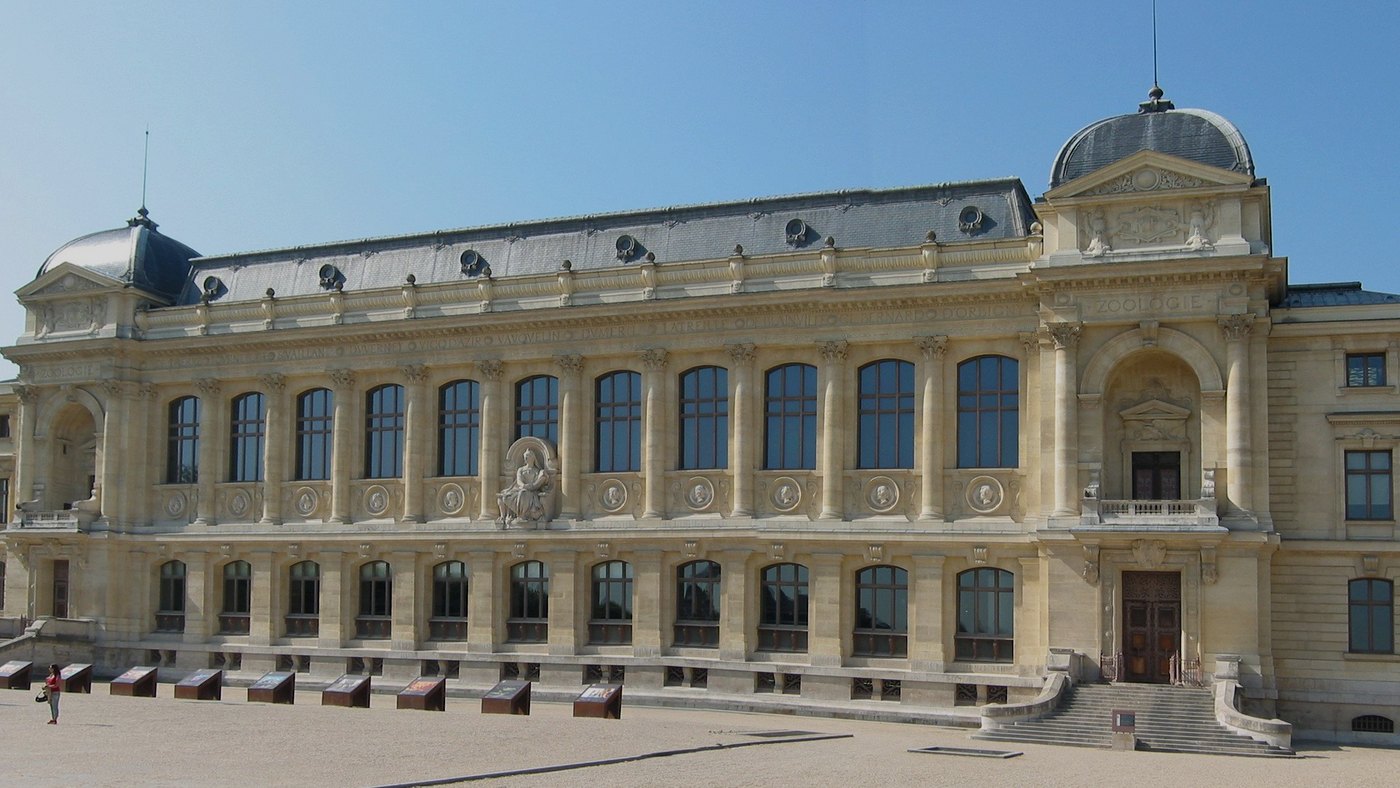
Toera's head was severed, sent to Paris, and placed in the museum collection. Kept as a war trophy, the skull remained on a shelf as a scientific object carrying an inventory number for 128 years.
How did the museum relic become recognized as a spirit medium?
The 2023 law conditions restitution on three criteria: the request must come from a state representing a culture still living on its lands, the deceased must have died after 1500, and the collection of the remains must have disregarded human dignity or their retention must harm the group's culture, with the explicit purpose being a funeral. Formed on October 3, 2024, the Franco-Malagasy scientific committee worked for three and a half months. Co-chair and museum collection director Christine Lefèvre stated that they had to reconstruct the historical path of the three individuals as thoroughly as possible.
In its January 15, 2025 report, the committee concluded that all three skulls originated from the Sakalava community. Two were relatively easy to identify as warriors who died in clashes with French troops in April 1898. For the third, DNA was compared with remains buried in Madagascar as Toera, and written records were examined. Experts could not definitively declare the skull to be the king's. However, the Sakalava community accepted it as Toera through ritual means via a spirit medium. France proceeded with the restitution under this framework, where laboratory doubt coexisted with funerary rights.
The April 2, 2025 decree transferred three inventory numbers to the Republic of Madagascar: MNHN-HA-17246, 17247, and 18610. Physical handover was scheduled to take place within a year, by April 3, 2026, and occurred on August 26. On September 1, the remains landed in Antananarivo, followed the next day by a state ceremony at the Avaratr'Ambohitsaina mausoleum. Kamamy sprinkled water from the Tsiribihina River onto the coffin. The coffins then departed for Menabe, roughly 800 kilometers west of the capital, for burial.
Why do royal relics continue to hold the throne?
In Sakalava kingdoms, parts taken from the body of a deceased ruler form royal relics known as dady. Anthropologist Gillian Feeley-Harnik's fieldwork demonstrates that these relics are not viewed merely as straightforward mementos. The relic carries hasina, a productive sacred power, and the legitimacy of the living king is bound to this power. The dead ruler returns as a tromba, or ancestral spirit. When the skull completes the skeleton, the king becomes an ancestor, and the fitampoha, the periodic relic-washing ceremony, sanctions the accession of a new ruler.
The box arriving from Paris does more than erase a colonial shame. On the western coast along the Tsiribihina River in Menabe, it also dictates who is recognized as the rightful monarch. Since the 17th century, possessing or appearing to possess the relic has conferred a claim to the throne. The highland Merina kingdom had seized Sakalava relics in the 1820s, and the French later used colonial administration to return some of them to local rulers, positioning them as intermediaries. Bones have thus remained entwined with politics for centuries.
To whom were the remains actually given?
The restitution was negotiated between the French and Malagasy governments. Speaking at the ceremony, Culture Minister Rachida Dati stated that the skulls entered the collection under conditions that clearly violated human dignity and within the context of colonial violence. Malagasy Culture Minister Volamiranty Donna Mara remarked that the absence of the remains had been an open wound in the heart of the island. Kamamy expressed relief at the return of his great-grandfather, but also voiced regret that the relics were handed over to the central government rather than directly to the royal family.
This distinction reveals why the restitution is far more than a purely historical milestone. The central government established a stage for national reparation, while Menabe sought to complete its own ancestor within its own tomb. Both parties want the same bone, but they do not assign it the same meaning. Reading this event simply as a museum return that closes a file means missing half the story. The file closed in Paris, but it has only just reopened on the island.
While the laboratory may leave the identity of a skull scientifically unconfirmed, for the Sakalava, belonging is established through the acceptance of a spirit medium and the completion of the skeleton in the tomb. France enacted a law, published a decree, and struck three inventory numbers from its records, while Madagascar held a ceremony. France paved the way with the law of December 26, 2023, dropped the three skulls from collection registries via the decree of April 2, 2025, and handed them over on August 26, 2025. Yet the specific tomb and rituals that will receive the relics along the banks of the Tsiribihina remain a subject of ongoing debate on the island.
Notes and Sources
- French Ministry of Culture, August 26, 2025: "Restitution de trois crânes sakalava provenant de Madagascar". Law n° 2023-1251 (December 26, 2023); Madagascar request May 27, 2022; Decree n° 2025-309 (April 2, 2025, JORF April 3, 2025). ↩
- Finch, Michael P. M. (2013). A Progressive Occupation? The Gallieni-Lyautey Method and Colonial Pacification in Tonkin and Madagascar, 1885–1900, Oxford University Press, pp. 192–194. Ambiky, August 30, 1897; Gallieni's reprimand of Gérard. Also Smith, George Herbert (1896). Among the Menabe, SPCK. ↩
- Muséum national d'Histoire naturelle, September 24, 2025: "Restitution de trois crânes malgaches". Scientific committee (October 3, 2024), report January 15, 2025; two warriors April 1898, DNA inconclusive for the third skull, ritual recognition. BBC News, August 26, 2025: DNA inconclusive, acceptance by Sakalava spirit medium. ↩
- AP News, September 2–3, 2025: Antananarivo ceremony, Avaratr'Ambohitsaina mausoleum, Tsiribihina water, 800 km to Menabe. The Independent on the same ceremony. Kamamy's regret regarding handover to the government. Inventory: MNHN-HA-17246, 17247, 18610 (decree annex). ↩
- Feeley-Harnik, Gillian (1991). A Green Estate: Restoring Independence in Madagascar, Smithsonian Institution Press. Sakalava royal relics (dady), hasina, and the legitimacy of the living ruler. Fitampoha: periodic relic washing in the Tsiribihina River in Menabe. ↩