How many migrants died in the maritime incidents?
At least 34 people are confirmed dead following the sinking of a migrant vessel off the coast of Senegal, while separate incidents in the Mediterranean near the Greek island of Crete have resulted in a death toll ranging from 8 to 21 individuals, according to conflicting reports from various authorities. The vessels were part of a continued surge in dangerous irregular migration attempts toward the Canary Islands and the European mainland.
The Atlantic route to Spain's Canary Islands remains one of the world's most perilous maritime passages for migrants fleeing instability in search of better living conditions.
What are the details regarding the Senegal sinking?
A vessel carrying migrants toward the Canary Islands capsized off the coast of Senegal, with death toll estimates reported by international outlets ranging between 21 and 35 casualties. The incident highlights the extreme hazards associated with the Atlantic crossing, which has seen a significant increase in traffic. In a related development, a separate boat carrying 215 people successfully reached the island of El Hierro, further straining local resources and prompting officials to declare a social emergency in the region.

What is the situation regarding the search off Crete?
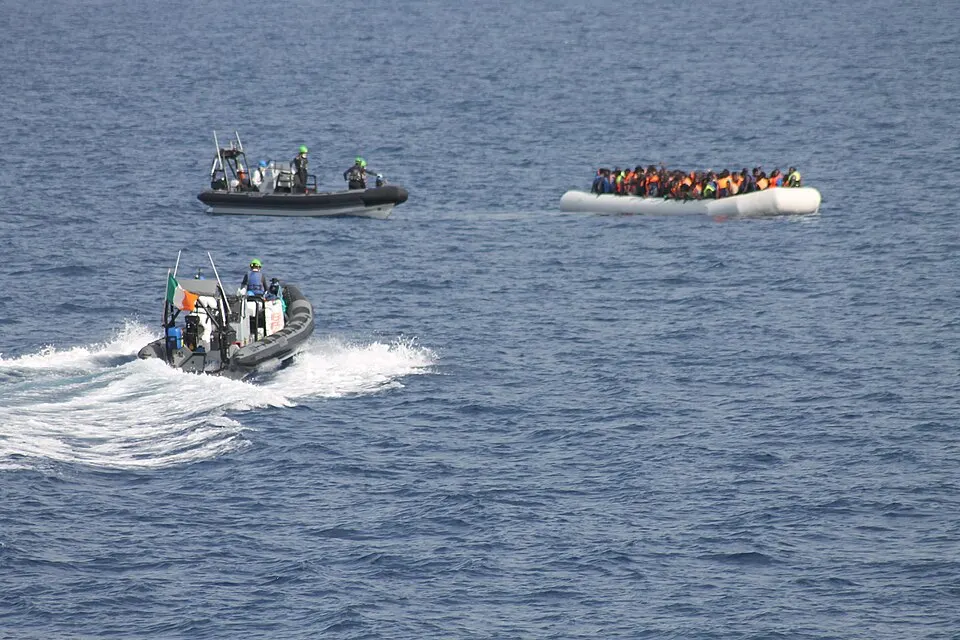
Greek coastguard operations recovered bodies and rescued survivors from multiple vessels attempting to reach the southern coast of Crete. While reports on the exact number of fatalities vary—with sources citing figures between 8 and 21 dead—Greek authorities have confirmed the successful rescue of more than 100 people across several different operations in the area. Among those rescued in one specific instance were 18 Sudanese nationals, as authorities continue to monitor the influx of migrants arriving primarily from Libya.

Why are these migration routes considered so dangerous?
The routes used by migrants to reach the Canary Islands and the Mediterranean coast are characterized by overcrowded, unseaworthy vessels and unpredictable weather conditions. The Atlantic route is particularly noted for its length and the difficulty of search-and-rescue operations in the open ocean. Meanwhile, the Mediterranean paths continue to serve as a high-traffic corridor for those fleeing regional conflicts, leading to recurring tragedies as small boats encounter rough seas and mechanical failures near the Greek islands.