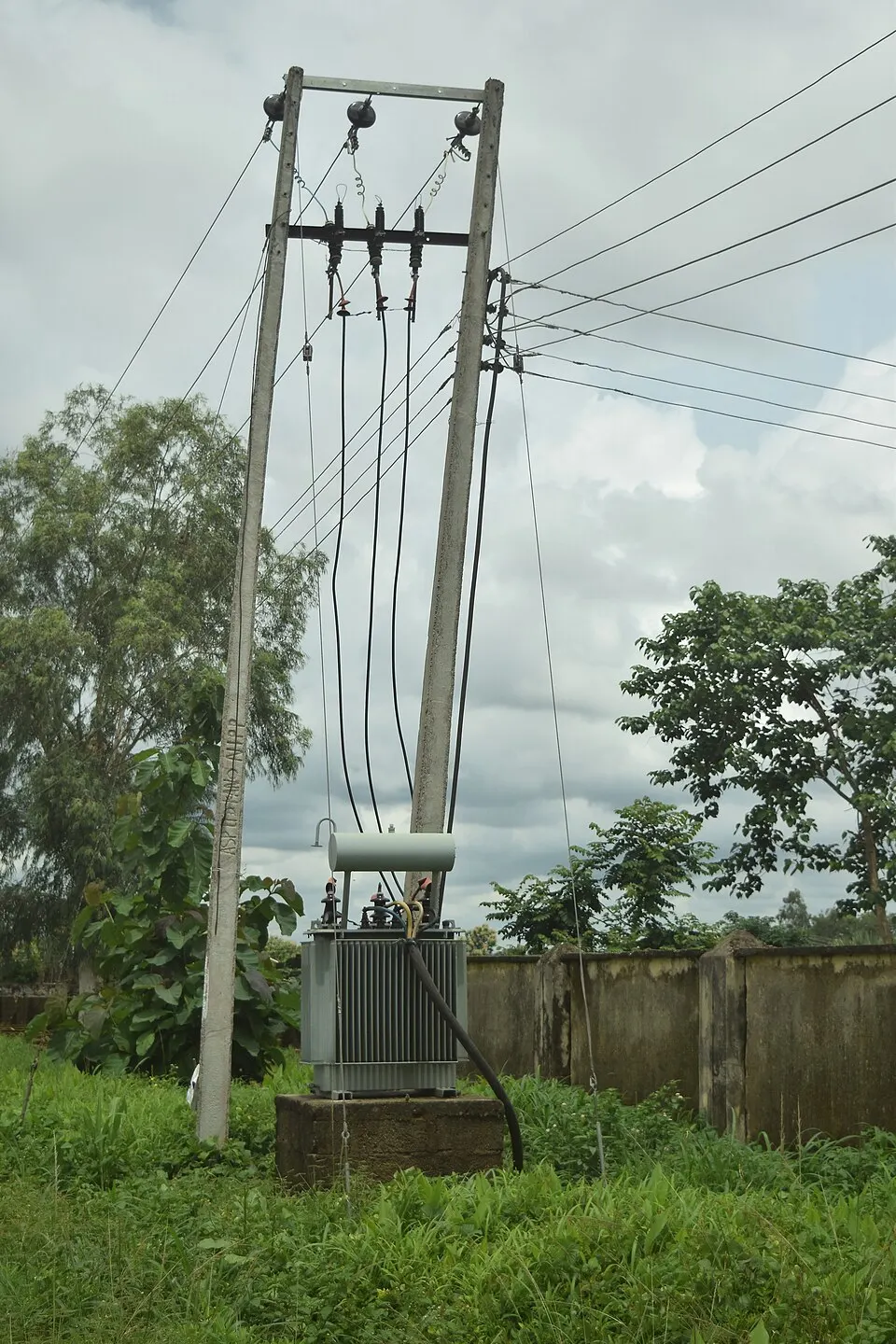
Why is the Nigerian electricity grid currently failing?
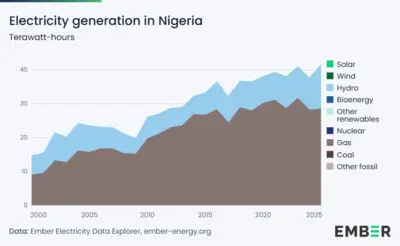
The Nigerian electricity grid is experiencing severe instability, with generation levels plummeting to 2,692MW, leading to widespread power outages across the nation, including the Federal Capital Territory and Lagos. This crisis has triggered a finger-pointing match between the Nigerian National Petroleum Company Limited (NNPC) and various grid stakeholders. While power sector officials and grid operators point to fuel shortages as the primary cause of the blackouts, the NNPC has formally countered these assertions, insisting that its gas network and supply chains remain fully available and operational. The state oil company further reported a 10% increase in production, flatly contradicting the narrative presented by the Minister of Power and other regulatory bodies.
What are the conflicting views on the national gas shortage?
The dispute centers on whether gas availability is the limiting factor in electricity generation. According to reports from Majorwaves Energy Report and Nairametrics, the NNPC maintains that the gas network infrastructure is adequate to meet current demand. This position directly opposes claims made by the Nigerian System Operator (NISO) and various grid administrators who have cited gas supply deficiencies as the main driver for the recent drop in electricity supply. This confusion has left citizens in a state of uncertainty, as the two most critical entities in the power value chain provide conflicting explanations for why the country remains in darkness.
The electricity supply crisis has reached a critical juncture, with power generation dipping to 2,692MW as the NNPC and grid operators engage in a public blame game that offers little relief to households and businesses nationwide.
How is the energy crisis affecting the Nigerian public?
The persistent power instability is significantly impacting the daily lives of Nigerians, forcing many to seek expensive alternatives to maintain productivity. As the administration of President Bola Tinubu faces increasing pressure to stabilize the sector, public frustration continues to mount due to the frequency of blackouts and the lack of a clear, unified resolution from the government. In response to the unreliable grid, New Telegraph reports that a growing number of Nigerians are abandoning the national grid in favor of private solar energy solutions. This shift highlights a deepening lack of confidence in the current power management strategy as the nation works toward broader economic goals, including the stated ambition of fostering a $1 trillion economy.

What is the broader context of Nigeria's energy challenges?
Nigeria’s power woes are part of a complex landscape involving infrastructure maintenance, management disputes, and administrative performance. While government officials have proposed long-term solutions, such as the drilling of 52 new wells to address systemic gas crises, immediate relief remains elusive. Industry experts, including those from the Nigerian Association of Energy Correspondents (NAEC), suggest that the fundamental problem is not a lack of natural resources but rather persistent challenges regarding asset access and grid management. Furthermore, the broader economic climate remains tense, as seen in the recent performance of major entities like the Dangote Refinery, which recently noted that its initial public offering did not reach its target of 10 million investors, adding to the general atmosphere of economic uncertainty alongside unrelated public health challenges, such as the five new polio cases recently identified in Niger State.