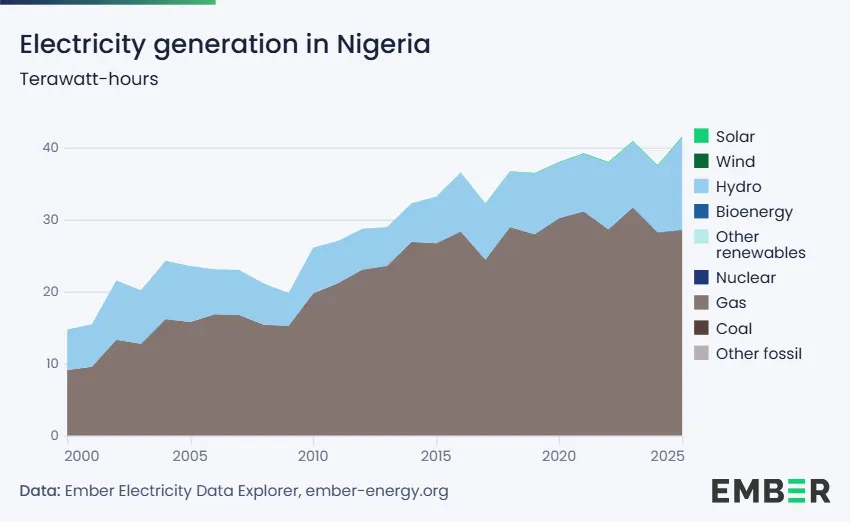
Electricity Distribution Companies (DisCos) in Nigeria have formally apologized to the public for the persistent and widespread power outages that have crippled the nation's energy supply over the past several weeks. This apology comes as the country grapples with a deepening energy crisis that has left households and businesses struggling with significant electricity shortfalls, prompting urgent calls for systemic reform within the power sector.
What is the current state of Nigeria's power sector?
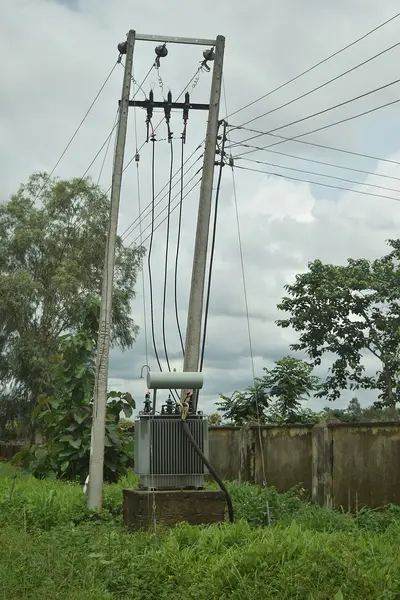
Nigeria’s electricity infrastructure is currently managed through a complex value chain involving Generation Companies (GenCos), the Transmission Company of Nigeria (TCN), and the DisCos. This power sector architecture is frequently plagued by operational bottlenecks, gas supply constraints, and technical failures. While specific outages vary by region, recent reporting indicates that the crisis has prompted emergency interventions, such as the restoration of over 1,000 megawatts of power to the Lagos complex following a major distribution disruption. Despite these localized efforts, the nationwide supply remains critically low, exacerbating the reliance on costly, unreliable alternative power sources.

"Stop shifting blames, find solutions," the DisCos urged, calling upon the Transmission Company of Nigeria, generation firms, and gas suppliers to move past the cycle of recrimination that often stalls electricity recovery.
Why are the DisCos calling for an end to the blame game?
The DisCos are explicitly asking the Minister of Power to intervene and address the recurring culture of blame-shifting that characterizes the Nigerian power industry. In a joint stance shared across multiple media outlets, the distribution companies argued that the constant finger-pointing between stakeholders—including gas suppliers and transmission entities—only serves to delay necessary repairs and infrastructure investments. By requesting that the Minister moderate these sector disputes, the DisCos aim to shift the focus from identifying fault to implementing sustainable strategies that ensure a stable, long-term electricity supply for the nation.

How does this crisis impact the average Nigerian?
For the average Nigerian, the energy deficit manifests as weeks of diminished industrial productivity and extreme discomfort in domestic settings. The current situation has significantly strained the economy, as businesses face higher operating costs due to the need for fuel-powered generators during these extended blackouts. While the distributors have acknowledged the public's frustration, their request for a unified solution suggests that the resolution of these widespread outages remains dependent on a broader reconciliation between the various government and private entities responsible for delivering power from the grid to the final consumer.