How many migrants lost their lives in the maritime disasters?
At least 50 people have died in two separate incidents involving migrant vessels off the coasts of Senegal and Greece. Near Senegal, reporting indicates a death toll of at least 39 to 42 people after a vessel bound for Spain's Canary Islands capsized. Simultaneously, in the Mediterranean, Greek authorities recovered the bodies of between 13 and 21 individuals in varying reports following a separate sinking off the southern coast of Crete. The discrepancy in the casualty count near Crete appears to stem from evolving search and rescue updates provided by the Hellenic Coast Guard, with multiple outlets citing figures ranging from 12 to 21 confirmed fatalities.
What are the circumstances of the sinkings?
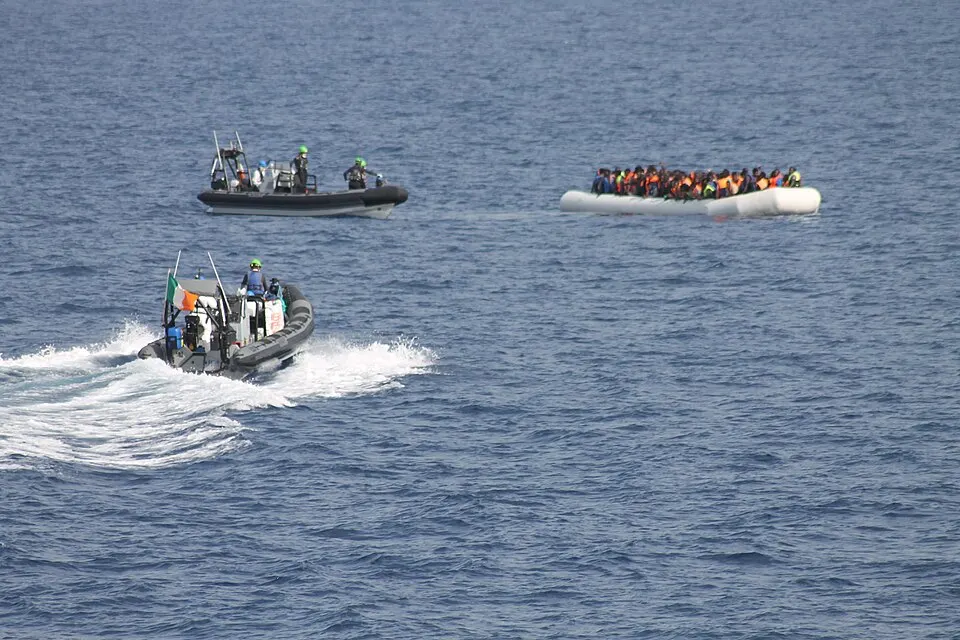
The tragedy off the coast of Senegal highlights the persistent dangers of the Atlantic route, where thousands of migrants have lost their lives in recent years while attempting to reach the Spanish Canary Islands from West Africa. Human rights organizations in Senegal have responded to the catastrophe by calling for immediate government intervention to address the systemic causes driving these perilous journeys. Meanwhile, the incident off Crete involved a vessel that reportedly originated from Libya. The Greek coastguard coordinated several operations in the region, managing to rescue more than 100 people, including 18 survivors identified as Sudanese nationals who were assisted by a nearby cargo ship.

The Atlantic crossing to Spain's Canary Islands remains one of the world's most dangerous maritime migration routes, claiming thousands of lives in recent years as individuals seek safer or more prosperous futures in Europe.
Why do these routes remain active despite high risks?
The routes toward Spain and Greece remain heavily utilized despite the high mortality rates and increased border security measures. Migrants continue to risk their lives in unseaworthy vessels, often organized by smuggling networks that capitalize on the desperation of those fleeing conflict, poverty, or political instability. In the aftermath of the Crete disaster, the influx of vessels from Libya underscores the ongoing challenges faced by Mediterranean nations in managing maritime arrivals. International observers note that until safe and legal pathways are established, the humanitarian crisis in these waters is likely to persist as migrants prioritize reaching European shores over the immediate risks of the sea.