On September 1, 2026, researchers led by Juliano Machado and Mauricio Berriel Diaz published findings in Cancer Discovery identifying ADAMTSL4 as a key protein secreted by tumors that drives cancer cachexia.1 This collaborative effort involved the Institute for Diabetes and Cancer (IDC) at Helmholtz Munich, the Heidelberg University Hospital, the German Center for Diabetes Research (DZD), and the Technical University of Munich (TUM).
Cachexia is a multifactorial syndrome defined by an ongoing loss of skeletal muscle mass that cannot be fully reversed by conventional nutritional support.2 Diagnostic criteria often involve weight loss exceeding 5 percent, though the threshold may be as low as 2 percent in patients who are already underweight. Prevalence in advanced cancer ranges from 50 to 80 percent, with particularly high rates observed in pancreatic and gastric tumors.3
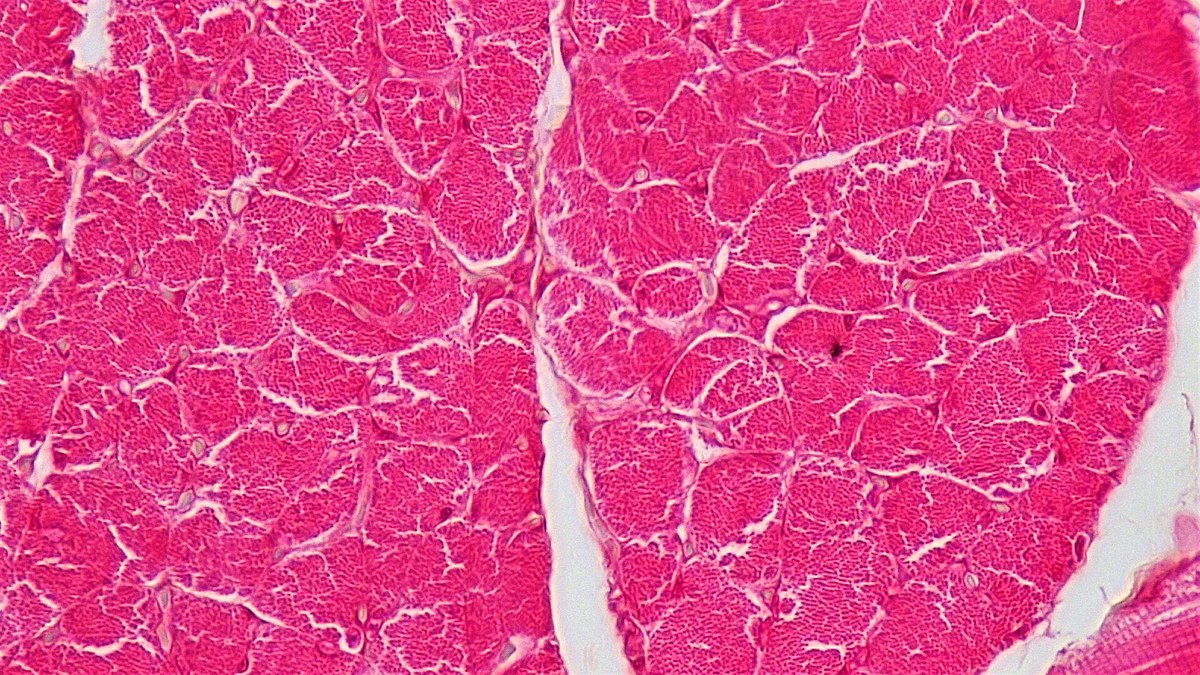
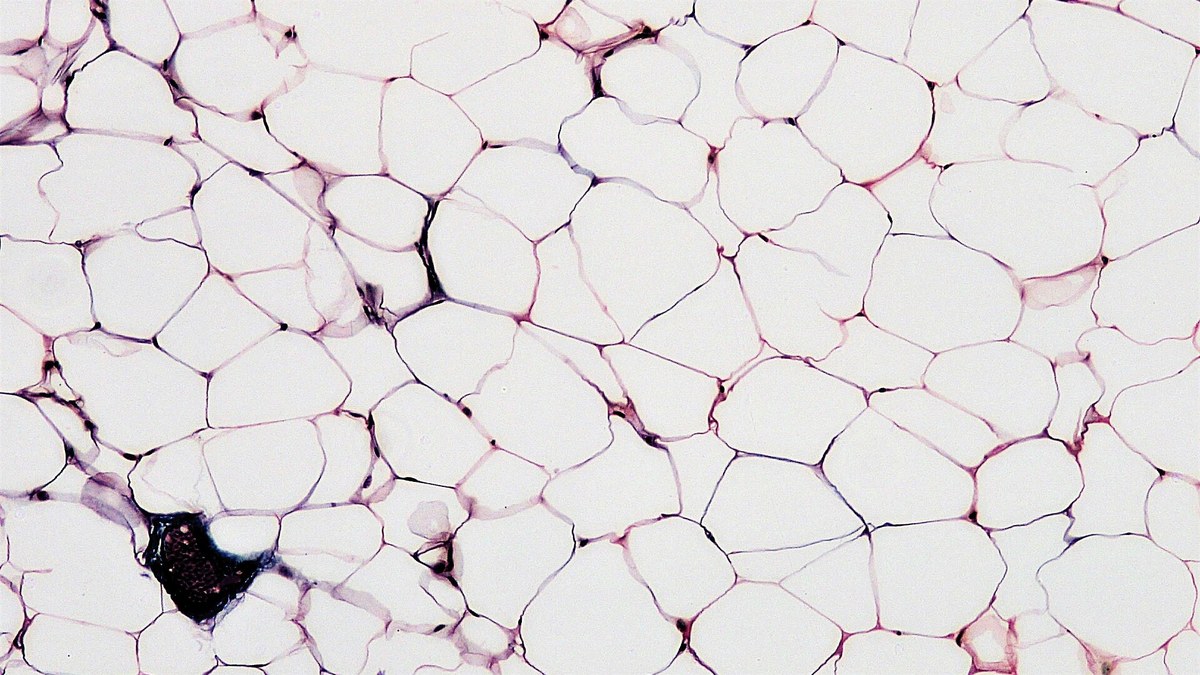
Patients experiencing cachexia often face decreased treatment tolerance and a decline in quality of life. While limited approvals for specific drugs exist in some regions, a global standard of care remains elusive. The research clarifies that for many patients, weight loss is not merely a consequence of reduced caloric intake but a programmed metabolic destruction of muscle and fat driven by the tumor itself.
- Machado et al. established a link between tumor-secreted ADAMTSL4 and cachexia in both animal models and human patients.
- The protein triggers catabolism by activating dormant TGF-β1 complexes on the surface of muscle and fat cells.
- Blood levels of ADAMTSL4 correlate with weight loss in colon and lung cancer patients, though expression levels vary.
- While systemic TGF-β blockade carries significant side-effect risks, targeting ADAMTSL4 remains a promising, albeit preclinical, strategy.
What did the researchers discover about ADAMTSL4?
The research team led by Berriel Diaz identified ADAMTSL4, a glycoprotein secreted by tumor cells, as the primary signal responsible for triggering the wasting process in muscle and fat tissue. In mouse models, ADAMTSL4 levels were elevated in the blood of subjects exhibiting cachexia. A similar pattern was observed in patients with colon and lung cancer, where higher levels of the protein correlated with more severe weight loss and pronounced cachexia.1 Through genetic manipulation, the researchers demonstrated causality: inhibiting ADAMTSL4 production in tumor cells significantly reduced muscle and fat loss in mice, while introducing the protein to non-cachexia-inducing tumor cells triggered the wasting phenotype.
How does ADAMTSL4 initiate muscle and fat destruction?
ADAMTSL4 does not destroy muscle or fat tissue directly. Instead, it acts as an activator for TGF-β1 (transforming growth factor-beta 1), which typically resides in an inactive, latent state on the cell surface. ADAMTSL4 binds to a component of this latent complex, releasing active TGF-β1 to initiate signaling pathways that drive protein degradation in muscle cells and lipolysis in fat cells.1 Using ligand-receptor capture techniques, the researchers confirmed the target is the latency-associated peptide (LAP) of TGF-β1. This localized activation mechanism is clinically significant because broad, systemic inhibition of the TGF-β pathway poses high risks for side effects, given its vital roles in immunity and tissue repair. Targeting the tumor-derived ADAMTSL4 may offer a more precise, localized intervention.
What are the limitations of this finding for clinical application?
Berriel Diaz notes that cachexia is a heterogeneous condition involving appetite regulation, systemic inflammation, and various tumor-secreted factors. Therefore, ADAMTSL4 levels are expected to vary significantly between individual patients. While the correlation between circulating ADAMTSL4 and TGF pathway components in muscle tissue provides a foundation for future targeted therapies, no clinical interventions using an ADAMTSL4 inhibitor currently exist. Future research aims to bridge the gap between these preclinical findings and potential human trials. The M1 Cachexia Center, a collaboration between Helmholtz Munich, TUM, and LMU, is focused on advancing this research, though it is not yet a source of clinical treatments.
Notes and Sources
- Machado, J. et al. (2026). "Tumor-Secreted ADAMTSL4 Activates Latent TGFβ1 to Drive Cancer Cachexia." Cancer Discovery. DOI: 10.1158/2159-8290.CD-26-0045.
- Fearon, K. et al. (2011). "Definition and classification of cancer cachexia: an international consensus." The Lancet Oncology, 12(5), 489–495. DOI: 10.1016/S1470-2045(10)70218-7.
- von Haehling, S. & Anker, S.D. (2014). "Prevalence, incidence and clinical impact of cachexia…" Journal of Cachexia, Sarcopenia and Muscle.
This content is for informational purposes only and does not constitute medical advice, diagnosis, or treatment. Always seek the advice of a physician regarding your health.