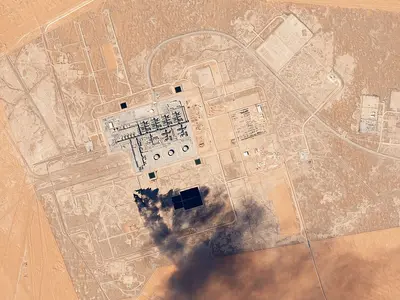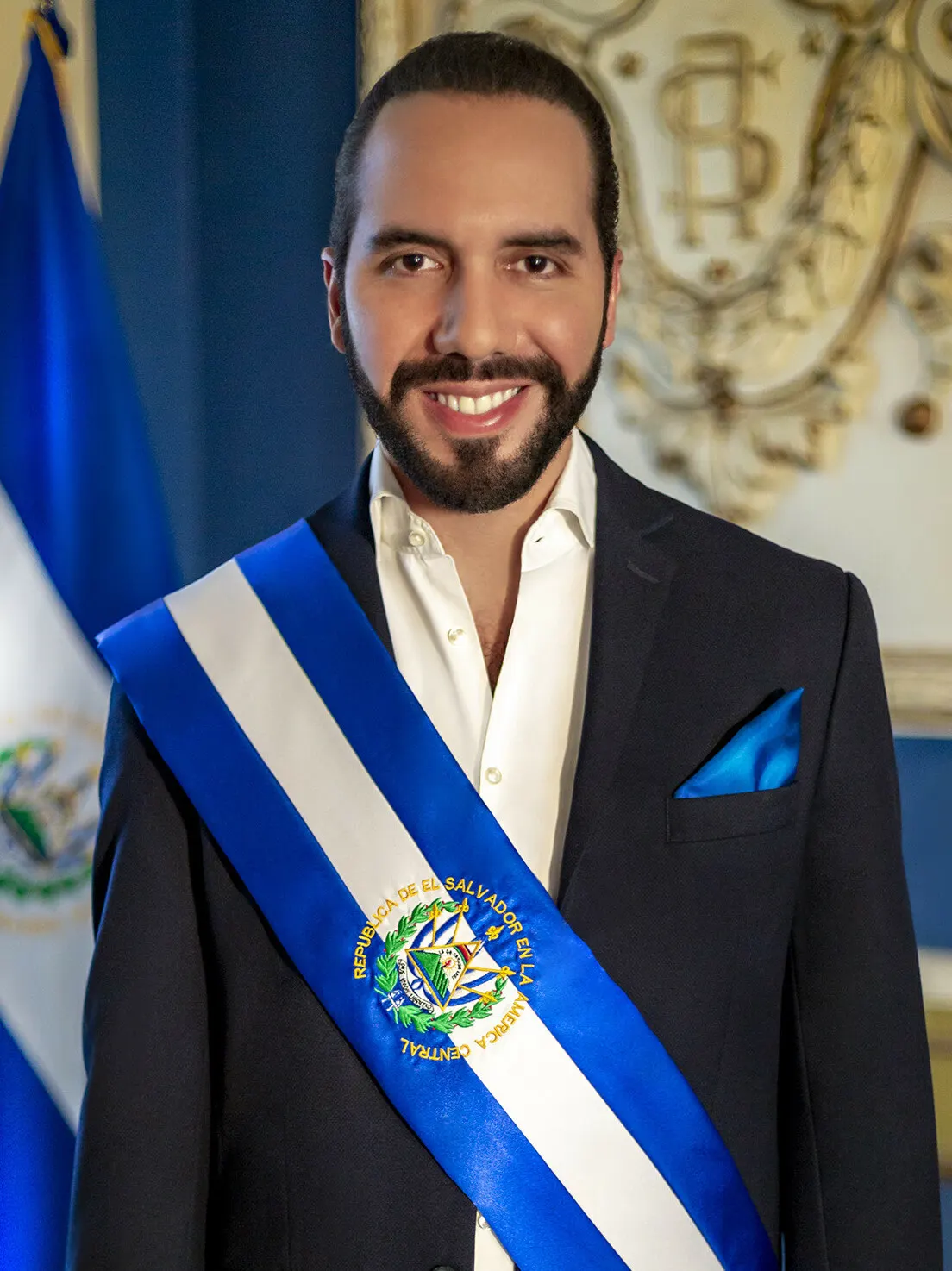
Salvadoran military forces and the Haitian National Police destroyed the central headquarters of the 400 Mawozo gang in the Port-au-Prince suburb of Croix-des-Bouquets on November 8, 2026, in a major escalation of El Salvador's intervention in the Caribbean nation. President Nayib Bukele announced the operation on Tuesday, stating that the assault targeted the residence of gang leader Wilson Joseph, also known as "Lanmò San Jou," and resulted in the demolition of the criminal group's primary complex. While official government tallies are pending, multiple sources cited by the Miami Herald and Al Jazeera indicate that as many as 20 people were killed during the offensive, which involved both ground troops and aerial strikes from at least three helicopters.
How was the military operation against 400 Mawozo conducted?
The military operation against the 400 Mawozo gang was a joint effort between a specialized Haitian police drone unit and Salvadoran soldiers, utilizing four helicopters and explosive drones to neutralize the fortified complex. According to the Daily Caller, the strike was notably preceded by a social media interaction on November 5, where President Bukele requested the specific coordinates of the gang's base from a user on X (formerly Twitter) who had posted a photograph of the site. On Tuesday, Bukele confirmed that his forces had "fulfilled our promise" to strike the location, describing the gang members as cowards who fled the scene during the bombardment. Video footage shared by the Salvadoran presidency depicted helicopters circling a two-story structure and firing on the property while dozens of individuals were seen retreating from the area.
"We destroyed the house of Lanmò San Jou and the 400 Mawozo gang's headquarters. Most of them ran away without even trying to fight," President Bukele wrote on X, as reported by the BBC.
Haitian Prime Minister Alix Didier Fils-Aimé expressed his gratitude for the Salvadoran military's intervention, praising Bukele for his commitment to the "fight against gangs." The Prime Minister stated that the two countries would continue to coordinate with the United Nations-backed Gang Suppression Force (GSF) to reclaim sovereign territory from criminal organizations. Despite the significant scale of the attack, pro-government media in El Salvador noted that the gang's leader, Wilson Joseph, was not present at the facility when the strike occurred.
Why did El Salvador deploy 2,000 troops to Haiti?
El Salvador deployed more than 2,000 soldiers to Haiti in late October 2026 primarily to locate and rescue four Salvadoran air force technicians who were kidnapped at gunpoint while shopping for food on October 18. These personnel were part of the UN-backed Gang Suppression Force, an international mission originally led by soldiers from Chad. While Bukele initially framed the massive deployment as a targeted rescue mission for the missing technicians, Al Jazeera reports that the Salvadoran leader has recently suggested a broader objective of dismantling Haiti's gang infrastructure, mirroring the controversial security tactics he implemented within his own borders.

The arrival of Salvadoran forces has effectively doubled the presence of foreign military personnel in Haiti. However, the legal framework of their mission remains a subject of international scrutiny. Amnesty International has voiced concerns because the vast majority of these 2,000 troops are operating outside the official UN-backed GSF command structure. Ana Piquer, Amnesty’s Americas director, has called on both governments to disclose the specific rules governing the use of force and to ensure all military actions comply with international human rights law to avoid replicating past abuses associated with foreign interventions in Haiti.
Who is the 400 Mawozo gang?
The 400 Mawozo gang is currently recognized as the largest and most influential criminal syndicate in Haiti, maintaining a stronghold in the suburbs of Tabarre, Ganthier, and Croix-des-Bouquets. The group gained international notoriety in 2021 following the mass kidnapping of 16 American missionaries and one Canadian citizen. Composed of a mixture of former police officers, opposition group leaders, and deportees, the gang is heavily involved in extortion and kidnapping-for-ransom schemes. In 2022, the group further consolidated its power by aligning with the "G-Pèp" alliance, exacerbating the security crisis that has left much of the capital under gang control for years.
What is still unclear about the mission's future?
What remains unclear is the exact status of the four kidnapped Salvadoran technicians, as their location has not been confirmed despite the destruction of the 400 Mawozo headquarters. There is also a significant discrepancy regarding the extent of the damage to the gang's base; while President Bukele claims the facility was destroyed, The Haitian Times noted that some local reports described the damage as a limited surgical strike rather than total demolition. Furthermore, the death toll of 20 individuals remains unconfirmed by official government authorities in either San Salvador or Port-au-Prince.

Looking ahead, Haitian Prime Minister Alix Didier Fils-Aimé is scheduled to visit El Salvador next week to hold formal discussions regarding the long-term presence of Salvadoran troops. These talks will be critical as Haiti prepares for its first national elections in over a decade, currently slated for July and October 2027. International human rights organizations are expected to continue pressuring both administrations to release the legal agreements governing the deployment and to establish independent oversight of military conduct during these operations.
Sources: This report draws on coverage by BBC News, Al Jazeera, Bangkok Post, The Peninsula Qatar, The Daily Caller, France 24, Demócrata, The Standard. The wording is our own.