The Current Escalation in the Gulf
The Middle East remains in a state of high tension following a series of reciprocal military actions this week. On Wednesday, Kuwait and Bahrain reported being targeted by Iranian missiles and drones, an escalation that followed a U.S. air strike on the Iranian-held island of Qeshm. According to BBC News and the Wall Street Journal, Kuwait successfully repelled an attack, while Bahrain faced multiple strikes, including those on a U.S. air base and the site hosting the U.S. Navy’s 5th Fleet. These developments have effectively paralyzed maritime transit, with shipping insurance costs for the Strait of Hormuz reported by Al Jazeera to have reached $64 million per transit, casting doubt on the functional openness of this critical global waterway.
Historical Context and Structural Tensions
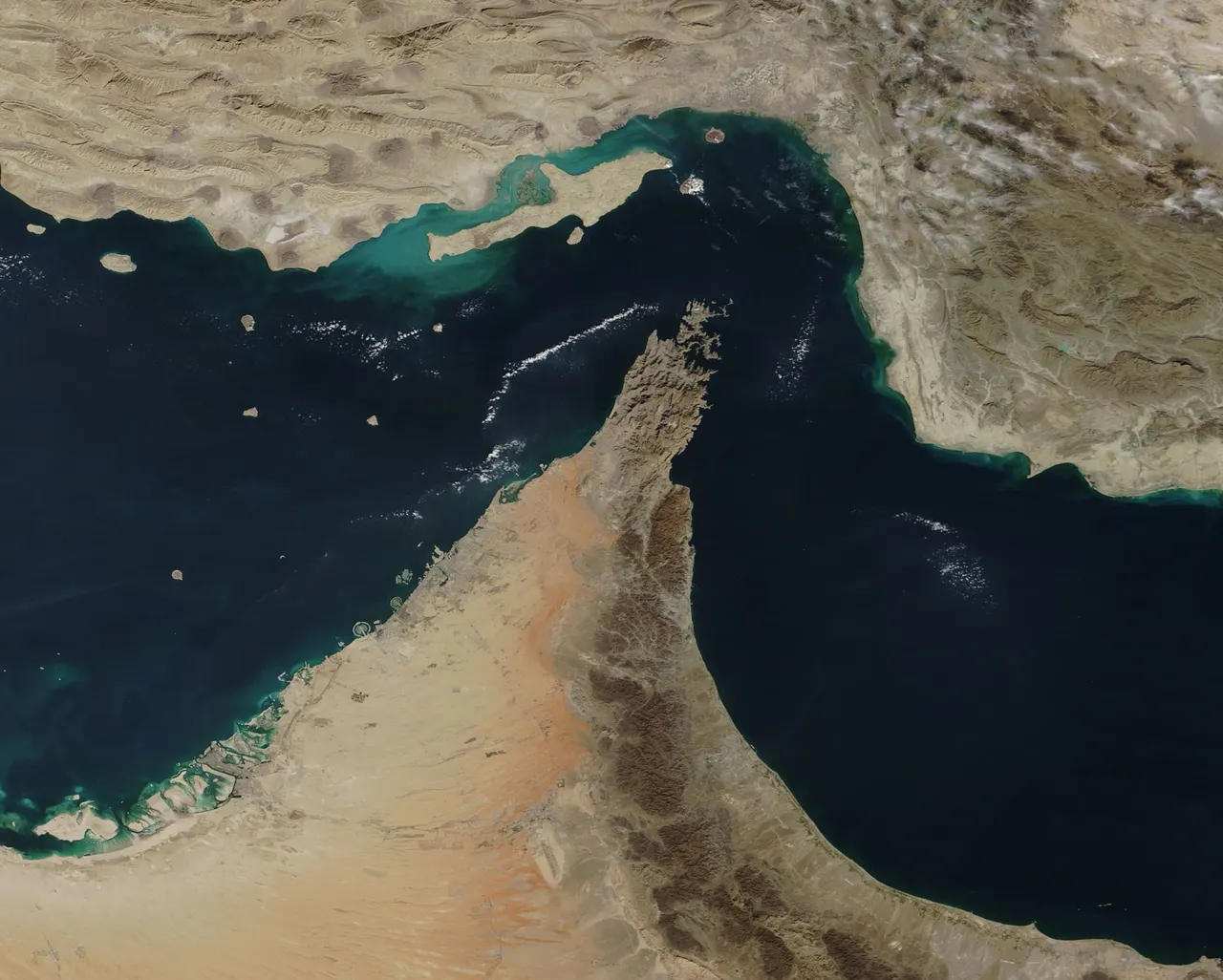
The current volatility is the latest chapter in a long history of strained U.S.-Iran relations, which have lacked formal diplomatic channels since 1980. The modern adversarial relationship followed the 1979 Iranian Revolution, replacing a period of Cold War-era alignment. Central to the current conflict is the geography of the Strait of Hormuz—the sole maritime passage connecting the Persian Gulf to the open ocean. Historically, the strait has served as a critical global artery, with approximately 20% of the world's liquefied natural gas and 25% of seaborne oil trade passing through it between 2023 and 2025. While Iran has frequently threatened to close the strait in past decades, the 2026 conflict represents a significant shift from rhetoric to active disruption of energy infrastructure and military sites.
The exchange of strikes between the United States and Iran has led to a state of 'frozen war,' yet analysts warn that this status quo is increasingly fragile as Tehran may determine that escalating confrontation is preferable to the current limitations on its regional influence.
Key Actors and Strategic Objectives
The primary actors, the United States and Iran, are operating under distinct pressures. For the U.S., the conflict involves a commitment to protecting its 5th Fleet in Bahrain and supporting regional partners like Kuwait, while managing the logistical and economic fallout of disrupted shipping. Reports from Reuters and other outlets suggest that the U.S. administration is currently balancing the need to prevent an all-out war with the necessity of responding to attacks on its military assets. Iran, conversely, appears to be utilizing a proxy-driven strategy to assert leverage, with analysts like Hamidreza Azizi noting that the current 'status quo' is being pushed to its limits. The use of Qeshm Island—a site known to contain underground missile and drone facilities—as both a target and a launchpad underscores the island's strategic role in Iranian military doctrine.

Scenarios for the Future
As the regional landscape remains volatile, three primary scenarios emerge for the coming weeks:
- Continued 'Frozen War': Both sides may continue to engage in limited, reciprocal strikes while avoiding a full-scale invasion or total regional mobilization. This would maintain the current high-risk environment and keep insurance costs for Gulf shipping at prohibitive levels, though it stops short of an all-out war.
- Controlled De-escalation: Should diplomatic backchannels—mediated by the Swiss or Pakistani embassies—successfully facilitate a pause in hostilities, the intensity of strikes could subside. This would likely require both parties to accept a return to the pre-escalation status quo, which remains difficult given the failure of recent peace talks.
- Unintended Escalation: The inherent danger of 'principal-agent' problems, where proxies or secondary actors act outside the direct control of their sponsors, remains high. An accidental strike on civilian energy infrastructure or a mass-casualty event on a U.S. base could trigger a cycle of retaliation that would force both Washington and Tehran into a broader, direct military conflict.
What to Watch
Moving forward, the primary indicators of regional trajectory will be the stability of maritime insurance rates and the frequency of attacks on Gulf energy infrastructure. If the frequency of Iranian strikes against Kuwait and Bahrain persists, the pressure on the U.S. to broaden its military posture will intensify. Observers should also monitor any shift in the rhetoric from U.S. officials regarding the 'forever war' framework, as this may signal a change in the appetite for continued military engagement in the region.

Sources: This report draws on coverage by Al Jazeera, BBC News, The New York Times, TIME, NPR, WSJ, Reuters, The Jerusalem Post. The wording is our own.