The Context of the Shenzhen Summit
President Donald Trump has commenced a high-stakes, 48-hour diplomatic push in Asia, arriving in the Philippines before traveling to Shenzhen, China, for the Asia-Pacific Economic Co-operation (APEC) summit. As reported by The New York Times, the visit follows a period where U.S. influence in the region has faced scrutiny, particularly as Trump arrived in Manila just as the ASEAN summit was concluding. This backdrop of regional maneuvering sets the stage for a landmark gathering in Shenzhen, where the president is expected to hold discussions with both Chinese President Xi Jinping and Russian President Vladimir Putin.
According to BBC News and AP News, the summit in Shenzhen—a city described by The Guardian as a hub of China's innovative power—is intended to be a platform for addressing issues including 'world peace.' However, these diplomatic efforts occur amidst a volatile technological climate. Reuters and TechCrunch report that the United States has recently tightened export controls on artificial intelligence chips, specifically targeting the use of foreign data centers to bypass previous restrictions. This move, which Forbes notes has been met with sharp criticism from Beijing, adds a significant layer of tension to the upcoming trilateral discussions.
The Key Actors and Their Objectives
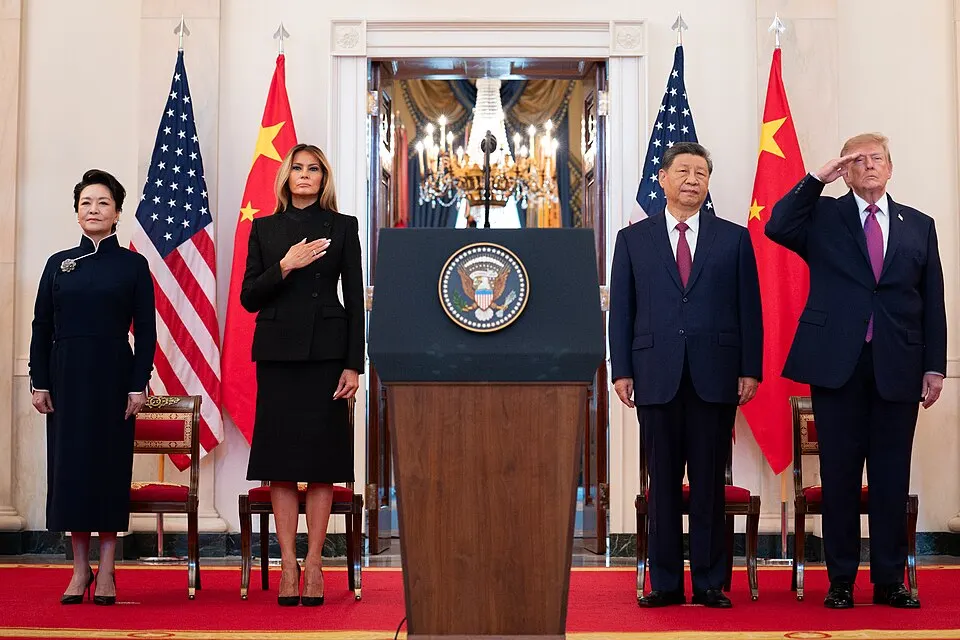
The convergence of Trump, Xi, and Putin in Shenzhen represents a rare concentration of geopolitical influence. For President Trump, the trip is described by experts as a pivot toward global affairs, potentially aimed at bolstering his influence after domestic shifts during midterm elections. According to NBC News and other outlets, the White House and the Kremlin have both acknowledged plans for an unprecedented joint meeting on the sidelines of APEC.
President Trump's visit is framed by the U.S. and its allies as a test of leverage, with officials noting that while Trump is keen to engage in direct dialogue with leaders like Xi and potentially North Korea’s Kim Jong Un, the U.S. is concurrently deploying aggressive chip export restrictions to curb China’s technological advancement.
Xi Jinping, acting as host, is utilizing the Shenzhen summit to showcase China’s economic confidence. The Guardian reports that the summit serves as a message of China’s central role in the global economy. Meanwhile, Vladimir Putin’s agenda includes the potential for meetings with North Korean leadership, pending confirmation of Kim Jong Un’s attendance, according to The New York Times. Simultaneously, other leaders, such as Canadian Prime Minister Mark Carney, are reportedly looking to leverage the summit to broaden their own economic reach, signaling that APEC remains a vital theater for middle powers despite the focus on the U.S.-China-Russia dynamic.
Plausible Paths and Future Scenarios
The outcome of these summitry efforts remains fluid, with three potential trajectories:

- Technological De-escalation: Should the discussions in Shenzhen prioritize economic stability, the parties might agree to a framework that eases tensions regarding AI chip exports. This is unlikely, however, given that the U.S. just instituted new rules to close data center loopholes, a move Bloomberg and TechCrunch indicate is aimed directly at limiting Chinese computing power.
- Status Quo with Heightened Friction: If the leaders fail to bridge the divide on technology and regional security, the summit may conclude with symbolic gestures toward 'world peace' while the underlying trade and espionage concerns persist. The New York Times notes that concerns over spying and safety regarding A.I. are currently straining the diplomatic relationship.
- Regional Realignment: If the U.S. continues to struggle with its presence at regional meetings—as noted by its late arrival at the ASEAN summit—allies may look to diversify their partnerships. As Politico reports, some foreign leaders are already looking beyond the U.S. to ensure their own regional stability.
What to Watch
As the summit progresses, observers are monitoring several critical indicators:
- The Trilateral Meeting Content: Whether a formal joint statement emerges between Trump, Xi, and Putin, or if the meeting remains primarily symbolic.
- Technological Policy Shifts: Any reaction from Beijing regarding the newly tightened U.S. chip restrictions. Forbes suggests China has already slammed the 'Chinese spy narrative' linked to these policies.
- Regional Security and North Korea: Confirmation of Kim Jong Un’s presence and any secondary meetings between him and the other heads of state, which would signal a shift in the security architecture of the Pacific.
Ultimately, the Shenzhen summit highlights the complex interdependency of the world's largest economies. While the leaders seek common ground, the structural tensions—from chip wars to the shifting balance of power in Southeast Asia—continue to define the limits of this diplomatic engagement.
Sources: This report draws on coverage by The New York Times, BBC News, The Guardian, Reuters, NBC News, Axios, The Washington Post, Nikkei Asia. The wording is our own.