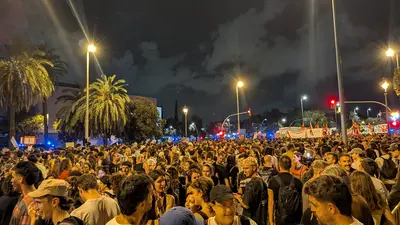
The Current Political Standoff
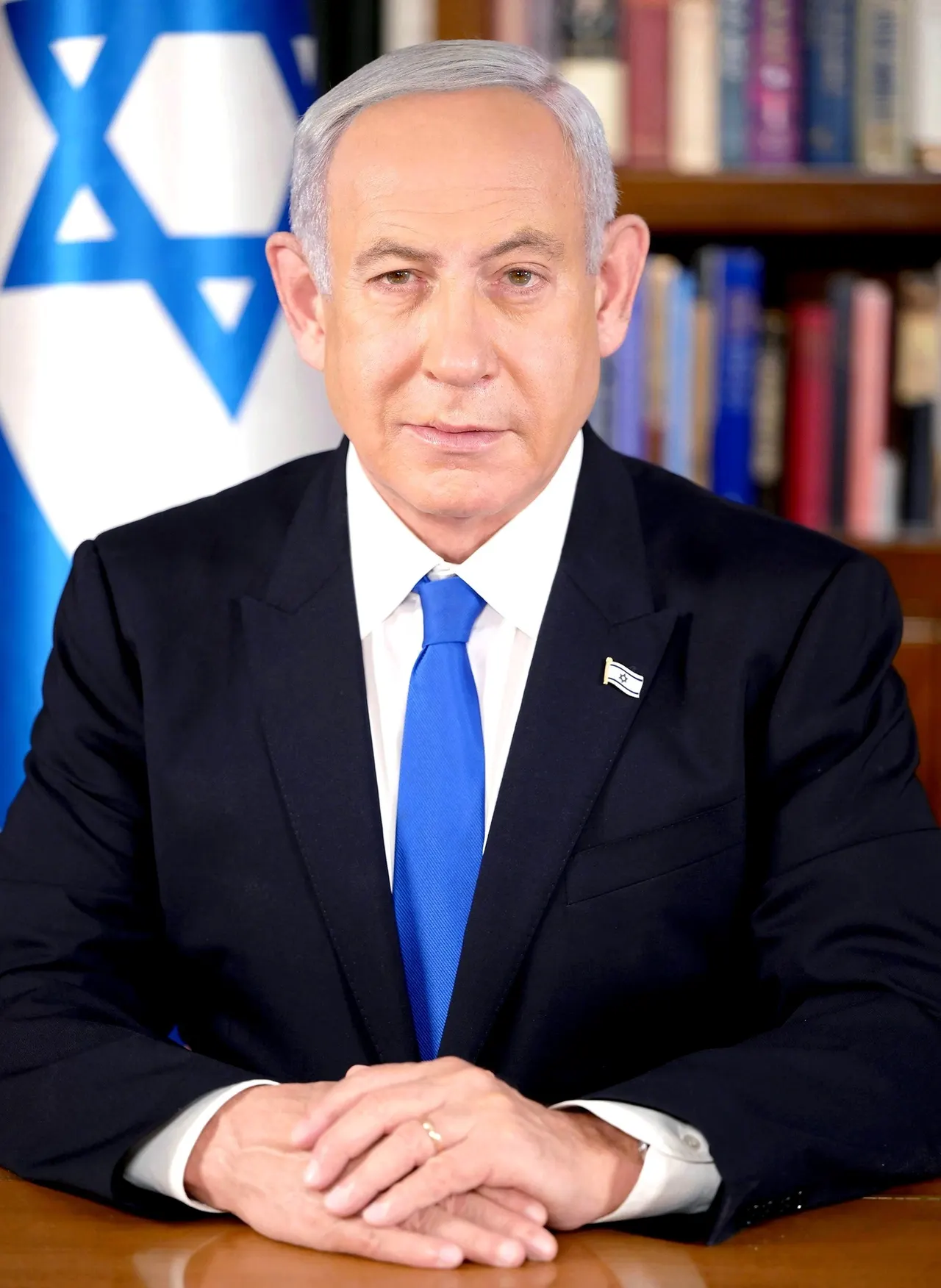
Israel is currently navigating a period of political uncertainty following an inconclusive national election held last month. President Isaac Herzog has formally granted Gadi Eisenkot, leader of the Yashar party, the first opportunity to assemble a governing coalition. This development represents a significant setback for incumbent Prime Minister Benjamin Netanyahu, who has served as prime minister since 2022 and previously held the office for multiple terms beginning in 1996. While Netanyahu continues to advocate for a unity government—arguing that such a structure is necessary to ensure the nation’s security—his efforts have been met with skepticism from Eisenkot and his supporters.
The Trajectory of the Crisis
The path to this deadlock is rooted in the deep polarization characterizing Israeli politics. As an electoral democracy with a multi-party system dominated by Zionist factions, Israel has historically relied on coalition building to govern. The current instability stems from the most recent legislative election, which failed to produce a clear mandate for either the incumbent Likud-led bloc or the 'change bloc' headed by Eisenkot.
"Prime ministerial hopeful Gadi Eisenkot condemned a ‘racist and a divisive’ campaign against Israel’s Arab citizens, labeling the Arab minority an integral part of the Israeli story while he seeks to form a government."
The tension has been exacerbated by aggressive rhetoric. Eisenkot has publicly accused Netanyahu of fueling hostile sentiment against Arab lawmakers, condemning the Prime Minister's recent speeches as "racist." Conversely, Netanyahu’s camp has dismissed Eisenkot’s rejection of a unity government as mere "spin," insisting that cooperation is essential. Meanwhile, smaller political entities, such as the Arab party led by Mansour Abbas, find themselves under intense pressure from the change bloc to explicitly denounce Hamas as a condition for inclusion in any potential coalition.
Key Actors and Strategic Positions
- Benjamin Netanyahu (Likud): Seeking to maintain his grip on power, Netanyahu is pushing for a unity government without preconditions. He maintains that only such an alliance can navigate the country's current security challenges.
- Gadi Eisenkot (Yashar): A former IDF chief of staff and political newcomer, Eisenkot has been given up to six weeks to form a government. He has framed Netanyahu's unity overtures as political "tricks" and remains focused on building a coalition that excludes Netanyahu's current allies.
- Arab Factions: Parties representing Arab citizens are playing a pivotal role. They have signaled willingness to support Eisenkot’s bloc, but have been met with demands to clarify their stance on Hamas, creating a delicate negotiating environment.
Plausible Paths Forward
Given the current state of play, several scenarios remain possible for the coming weeks:
1. Formation of a Narrow Coalition: If Eisenkot manages to reconcile the demands of the change bloc with those of the Arab parties—such as meeting conditions regarding the denouncement of Hamas—he may secure the necessary majority to form a government. This would mark a significant transition in Israeli leadership.

2. A Stalled Process Leading to New Elections: Should the primary actors remain unable to bridge their ideological gaps, the current Knesset may fail to ratify a new government. If Eisenkot cannot satisfy the requirements within his six-week mandate, the initiative could return to the president, or the country could face the prospect of further rounds of national voting.
3. A Pressured Unity Government: While Eisenkot has currently rejected the notion of joining a government with Netanyahu, political realities often force compromise. If external or domestic pressure mounts significantly, the two leaders could be forced into a forced unity arrangement, though current public rhetoric makes this path appear unlikely at this stage.
What to Watch
Observers should monitor the upcoming scheduled talks between Yashar and Likud. The tone of these discussions will indicate whether there is any genuine room for negotiation or if the parties are merely positioning themselves for another election. Additionally, the specific conditions placed upon Mansour Abbas and other Arab party leaders regarding their platform will be a major indicator of whether the 'change bloc' can achieve a functional majority.
Sources: This report draws on coverage by Al Jazeera, The New York Times, The Guardian, The Times of Israel, Yahoo, PBS, Facebook, France 24. The wording is our own.