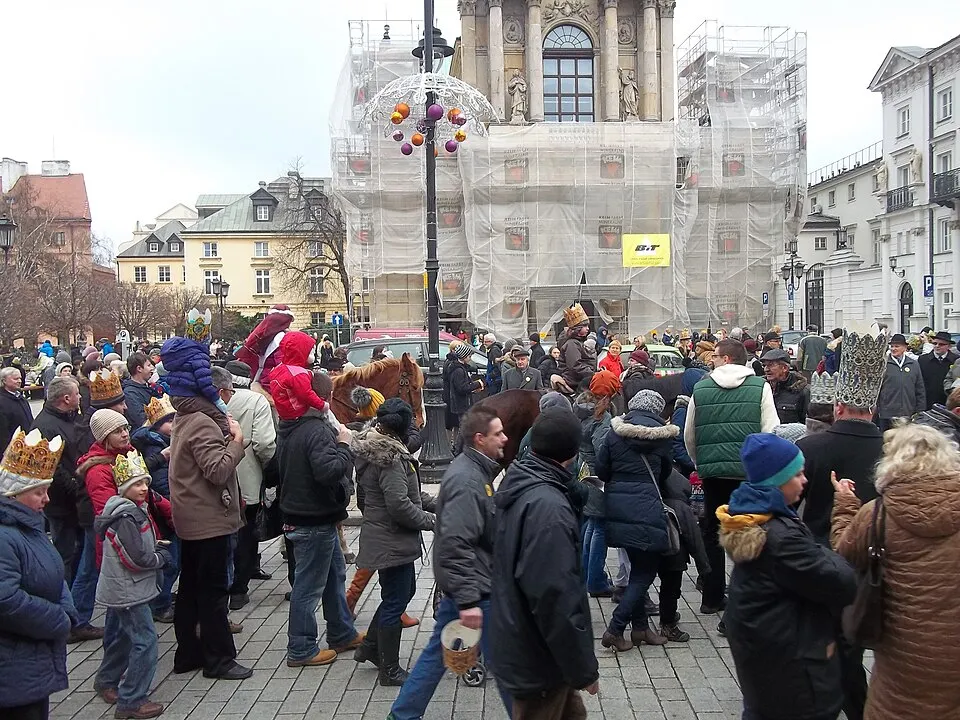
Tens of thousands of participants gathered in Warsaw, Poland, on Wednesday, November 11, 2026, for an annual nationalist Independence Day march, a demonstration that proceeded under heightened security measures following a lethal mass shooting in Krakow only days earlier. The gathering, which commemorates the 1918 restoration of Polish sovereignty, occurred as the nation grapples with significant political divisions and the aftermath of a violent attack on November 7 that claimed the lives of six individuals.
What occurred during the recent mass shooting in Krakow?
On Saturday, November 7, a 24-year-old assailant identified as Michał Oksiński carried out a shooting spree in the central market square of Krakow. According to The Independent, the attack resulted in the deaths of six people, including a British national, and left 15 others wounded. Following a confrontation with law enforcement, the gunman was shot by police and subsequently died in a hospital on Monday. Investigations into the suspect’s background revealed further tragedy, as police discovered the bodies of his mother, father, and sister at the family residence in Ostrowiec Swietokrzyski, located approximately 93 miles from the site of the shooting. Interior Minister Marcin Kierwinski stated that Oksiński was known to harbor radical viewpoints and possessed a fascination with far-right ideologies, including an interest in the Norwegian mass murderer Anders Behring Breivik.
How did officials respond to the march and the shooting?
In anticipation of potential civil unrest and to manage the intersection of the nationalist rally and the ongoing mourning for the Krakow victims, Polish authorities deployed extensive police resources throughout Warsaw. Concrete barricades were erected near the starting point of the procession, and officers were brought in from outside the capital to bolster security. Prime Minister Donald Tusk addressed the national climate, urging citizens to prioritize unity despite sharp political disagreements. As reported by Al Jazeera, the Prime Minister stated:
“We may hold different views, we may keep each other in check, and at times we may even be political opponents; yet, anyone who truly cares about Poland must understand that this space, defined by independence, freedom, and a secure Republic, is a common good.”Furthermore, President Karol Nawrocki attended the march, using the occasion to criticize what he described as attempts by the political elite to govern against the nation's will.

What is the significance and controversy of the Independence Day march?
The annual Independence Day march has been a recurring point of contention within Poland since its inception, often highlighting the divide between nationalist organizations and the centrist administration. Supporters frame the event as an essential celebration of national pride, frequently utilizing the slogan “A Pole is the host in Poland.” Conversely, critics have consistently alleged that the demonstration provides a platform for anti-Semitic and anti-immigration rhetoric. Despite the political heat surrounding the event, event organizers expressed their intent to keep the march focused on commemoration. Rafal Buca, a spokesperson for the organizers, noted that the group had issued condemnations of political violence regardless of the ideological origin of the attackers. The turnout for the 2026 event was expected to be substantial, with organizers anticipating a record number of attendees, including representatives from international movements such as Spain’s Revuelta and members of Hungary’s Mi Hazank party.
What remains unclear or pending in the aftermath of these events?
While the march proceeded with a significant police presence, several aspects regarding the long-term impact of the recent tragedy and the future of public demonstrations remain unresolved. Outlets have not established a precise final count of the participants, though thousands were confirmed to be in attendance. Furthermore, the authorities have not announced new legislation or specific bans on such rallies, despite periodic past attempts by the government to prevent the Independence Day march from occurring. The primary investigation into the Krakow shooting continues, and while government ministers have explicitly linked the perpetrator to radical ideologies, the full extent of the suspect's potential connections to organized extremist groups has not yet been detailed by law enforcement officials. No immediate dates for follow-up parliamentary debates or policy changes regarding national security at public gatherings have been confirmed at this time.
Sources: This report draws on coverage by The Independent, Al Jazeera, Anadolu Ajansı, France 24, TVP World, Kansas City Star, Raleigh News & Observer, Operativ Məlumat Mərkəzi. The wording is our own.